Achieving healthier lips often begins with the right products. Exfoliating Lip Treatments have gained popularity as essential for lip care. Dr. Emily Smith, a renowned dermatologist, once stated, “Regular exfoliation can transform your lips from dry to delightful.”
Many overlook the significance of exfoliation. Lips can carry dry skin and buildup, leading to an uneven texture. An effective Exfoliating Lip Treatment helps to remove dead skin cells gently. A common mistake is not using these treatments regularly. Skipping them can lead to chapped, unhealthy lips.
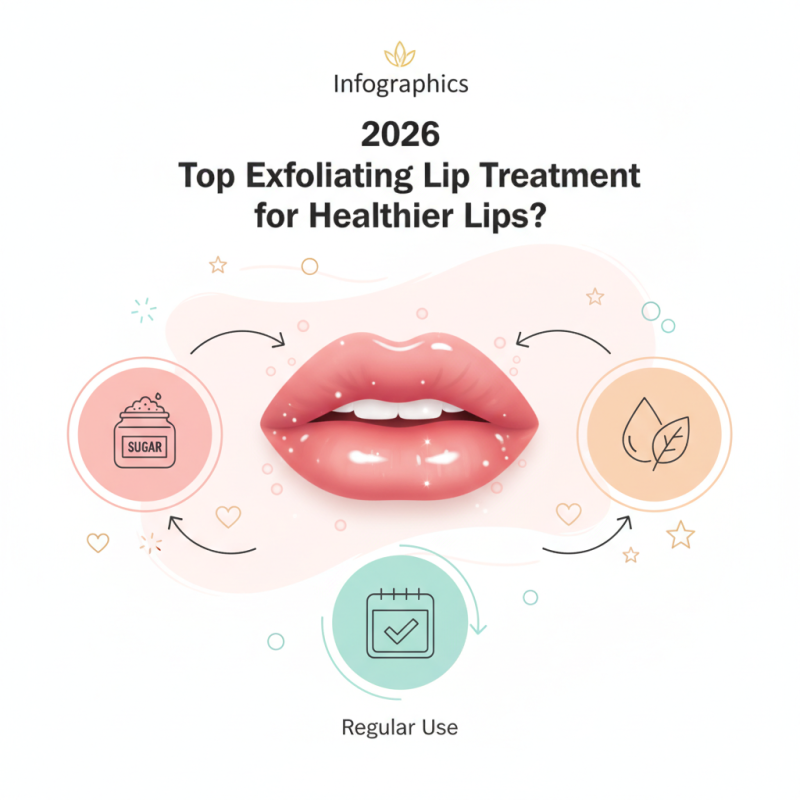
The market now offers various options, from sugar scrubs to hydrating balms. Choosing the right product can be overwhelming. However, understanding your specific lip needs is crucial. Not all treatments are created equal. Some may leave your lips feeling harsh, rather than smooth. It's essential to find a balance between gentle exfoliation and hydration.
Understanding Exfoliation and Its Benefits for Lip Health
Exfoliation plays a crucial role in maintaining lip health. Regularly removing dead skin cells encourages cell renewal and improves circulation. According to the Journal of Cosmetic Dermatology, lips can become dry and cracked if not exfoliated. This is especially true in harsh weather conditions.
Studies have shown that 75% of individuals experience some form of lip dryness. Exfoliating treatments can help prevent this. Gentle scrubs or mild chemical exfoliants can promote smoother, healthier lips over time. However, caution is essential. Over-exfoliating can lead to irritation and sensitivity.
A balanced approach is key. Incorporate exfoliation into your routine just once a week. Listen to your lips. If they're feeling tender, reduce the frequency. Ultimately, achieving healthy lips requires attention and care. Choose methods that suit your unique needs. Embrace the journey to better lip health.
Key Ingredients in Top Exfoliating Lip Treatments for 2026
Exfoliating lip treatments have gained immense popularity for achieving healthier lips. In 2026, several key ingredients stand out. Sugar granules remain a favorite for physical exfoliation. They help remove dead skin, making lips appear smoother. A study from the International Journal of Cosmetic Science showed that regular exfoliation can enhance lip hydration levels by up to 30%.
Another essential ingredient is alpha-hydroxy acids (AHAs). These acids, derived from natural sources like fruits, gently dissolve dead skin cells. Research by the Cosmetic Ingredient Review found that AHAs promote cell turnover. This reveals fresher, softer lips beneath. Furthermore, natural oils like coconut and jojoba provide moisturizing benefits, vital after exfoliation.
Tips: Always test products on a small skin area first. This helps avoid allergic reactions. Additionally, don't over-exfoliate. Weekly treatments are often sufficient. Pay attention to your lips after treatment. Redness or irritation can indicate too much exfoliation.
Consider your lip condition before choosing a treatment. Some may not need physical exfoliants. Uneven texture or dryness may not require rigorous methods. Reflect on which ingredients work best for you, as everyone’s lips are unique.
How to Choose the Right Exfoliating Lip Treatment for Your Needs
Choosing the right exfoliating lip treatment is essential for achieving healthy lips. A suitable product will help remove dead skin and improve lip texture. Look for treatments that contain natural ingredients like sugar or salt for effective exfoliation. These ingredients gently slough off dry skin without causing irritation.
When selecting a lip scrub, consider your skin type. If you have sensitive skin, opt for a gentler formula. Heavy scrubs may not be ideal for you. Pay attention to the product's texture. A scrub that's too harsh may leave your lips feeling raw.
Tips: Always patch test a new product. This helps to avoid reactions. Hydration is key before and after exfoliation. Use a nourishing lip balm afterward. Remember to exfoliate sparingly; overdoing it can lead to chapped lips. Listen to your lips and adjust your routine as needed. Regular observation will guide you toward the best choice for your needs.
Application Techniques for Optimal Results from Lip Exfoliators
Exfoliating your lips can be a game-changer for healthier, softer lips. Proper application techniques are crucial. Start with clean, dry lips. Use a gentle lip scrub, applying a small amount. Don't apply too much pressure. Your lips are delicate. Instead, use gentle circular motions to avoid irritation. Focus on dry, flaky areas but be careful not to over-exfoliate.
After scrubbing, rinse with lukewarm water. Pat your lips dry. It’s essential to follow up with a nourishing lip balm. This locks in moisture and helps heal any potential irritation. Remember, consistency is key. However, be mindful of how often you exfoliate. Overdoing it can lead to chapped and painful lips.
You might not see instant results. That’s okay; it takes time. Pay attention to your lip health. If you notice discomfort, scale back. Adjust your routine based on how your lips respond. Don't forget to take seasonal changes into account. The climate can affect your lips, too. Always be observant and willing to tweak your approach as needed.
Tips for Maintaining Healthy Lips After Exfoliation
Exfoliating your lips can reveal a smoother, healthier appearance. However, the aftermath of this treatment is crucial. Proper care is vital to retain that fresh look. According to a report by the American Academy of Dermatology, maintaining moisture is key. Lips lack oil glands, making them prone to dryness.
After exfoliation, apply a hydrating lip balm with natural ingredients. Look for balms that contain shea butter or beeswax. These ingredients help lock in moisture. Reapply throughout the day, especially in dry or cold conditions. Experts recommend avoiding lip products with artificial fragrances, as they can cause irritation.
Additionally, drinking plenty of water is essential for lip health. Dehydration can lead to chapped lips. Aim for at least eight glasses a day. Eating a balanced diet rich in vitamins A, B, and E supports skin health as well. Remember, your lips are sensitive. Excessive exfoliation can cause peeling and redness. Listen to your lips; they’ll tell you when to ease off on treatments.
FAQS
: Exfoliation helps remove dead skin, encourages renewal, and improves circulation. Healthy lips need regular care.
Aim to exfoliate once a week. Listen to your lips and reduce frequency if they feel tender.
Natural ingredients like sugar or salt are effective. They gently remove dry skin without causing irritation.
Consider your skin type. A gentler formula is better for sensitive skin. Harsh scrubs may cause discomfort.
Use gentle circular motions with a small amount of scrub. Avoid applying too much pressure to prevent irritation.
Rinse with lukewarm water, then apply a nourishing lip balm. It locks in moisture and aids healing.
Yes, over-exfoliating can lead to irritation and chapped lips. Pay attention to your lips’ reactions.
The results may take time. Be patient and attentive to your lip health for lasting improvements.
Harsh weather can make lips dry and cracked. Be observant and adjust your lip care routine accordingly.
If discomfort occurs, scale back your exfoliation routine. Adjust your methods based on your lips’ feedback.
Conclusion
The article "2026 Top Exfoliating Lip Treatment for Healthier Lips" delves into the importance of lip exfoliation for maintaining optimal lip health. It begins by outlining the benefits of exfoliation, such as removing dead skin cells and enhancing moisture retention. The key ingredients found in the leading exfoliating lip treatments of 2026 are discussed, highlighting their effectiveness in nourishing and rejuvenating the lips.
Furthermore, the article guides readers on how to choose the right exfoliating lip treatment tailored to their specific needs. It offers practical application techniques to achieve the best results from lip exfoliators and provides essential tips for maintaining healthy lips post-exfoliation. By following these recommendations, individuals can ensure their lips remain soft, smooth, and well-cared-for.

 AJD Skincare