As we approach 2026, the importance of sun protection cannot be overstated. A report from the Skin Cancer Foundation reveals that one in five Americans will develop skin cancer by age 70. With increasing UV radiation levels, understanding how to choose the right sun protection routine is vital for everyone's skin health.
Dr. Emily Lee, a renowned dermatology expert, emphasizes, “Choosing the right products and routines is essential for long-term skin protection.” Her insights shed light on navigating the vast array of available sun protection options. Many might underestimate the significance of daily SPF, which can reduce skin cancer risk by 50% when applied consistently.
However, there is confusion in the market. Not all sunscreens offer the same level of protection. Consumers often make choices based on outdated information. A product labeled SPF 30 may not provide adequate protection if not applied correctly. Educating oneself about factors such as SPF levels, broad-spectrum protection, and reapplication is crucial. Reflecting on these aspects will help guide individuals towards a more effective sun protection routine.
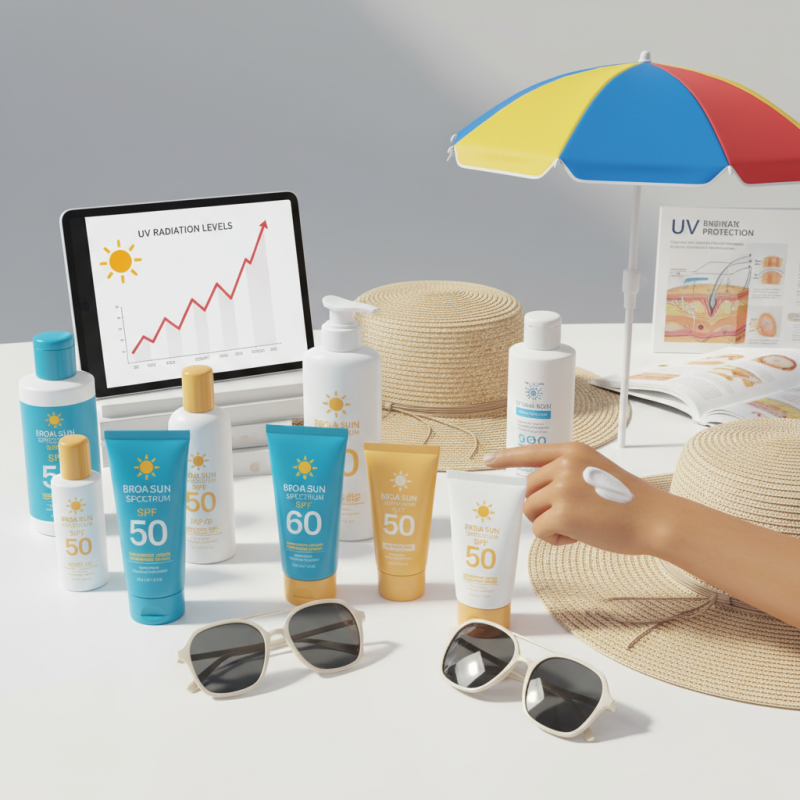
Understanding UV Radiation and Its Impact on Skin Health
Understanding UV radiation is crucial for maintaining skin health. UV rays, particularly UVA and UVB, can cause skin damage and increase cancer risk. UVA rays penetrate deeply. They lead to skin aging, wrinkles, and dark spots. UVB rays primarily affect the surface. They cause sunburn and can trigger skin cancer.
Most people don't realize how daily exposure accumulates. Even on cloudy days, UV rays can penetrate the clouds. This persistent threat means protection should be a daily routine, not just a summer activity. Sunscreen with broad-spectrum protection is essential. Yet, many overlook areas like the scalp, ears, and back of the neck.
Choosing the best protection also involves understanding skin type. Fair skin burns easily; darker skin tones have higher melanin, offering some natural protection. However, all skin types need defense against UV damage. It’s important to regularly reassess your routine and adapt it. What worked last year might not be effective anymore. Sensitive skin may react to certain products, requiring experimentation with formulations.
Understanding UV Radiation Exposure by Month
This bar chart illustrates the average UV index by month. It is crucial to understand these values for creating an effective sun protection routine tailored for 2026. Higher UV index values, especially during the summer months, indicate a greater potential for skin damage, emphasizing the need for protective measures such as sunscreen and protective clothing.
Identifying Your Skin Type and Its Unique Sun Protection Needs
Understanding your skin type is crucial for effective sun protection. Different skin types react uniquely to UV exposure. For instance, individuals with fair skin are at a higher risk of sunburn and skin cancer. According to the Skin Cancer Foundation, more than 90% of non-melanoma skin cancers are associated with UV radiation. Hence, those with light skin should opt for high SPF sunscreens and seek shade during peak sun hours.
Oily skin may benefit from non-comedogenic products. These formulations help prevent clogged pores while providing necessary sun protection. A study from the American Academy of Dermatology indicates that individuals with oily skin often overlook sun protection. However, the risks are significant; UV damage can still occur, leading to premature aging.
Dry skin types need to focus on hydrating sunscreens. These products help retain moisture and create a barrier against UV rays.
People with sensitive skin should consider mineral-based sunscreens. These are less likely to cause irritation. Research suggests that mineral sunscreens can provide effective protection while being gentler on the skin. Overall, it is essential to tailor your sun protection approach based on your skin's unique needs. Pay attention not only to sunscreen but also to clothing and behavior in the sun. Each individual's routine should reflect their personalized skin profile.
Selecting Effective Sunscreen Formulas and Broad-Spectrum Products
Choosing the right sunscreen is crucial, especially as we approach 2026.
Broad-spectrum products are essential because they protect against both UVA and UVB rays.
These rays can cause skin aging and increase the risk of skin cancer. Look for sunscreens with an SPF of at least 30 for everyday use.
When selecting a formula, consider your skin type.
Oily skin might benefit from gel-based sunscreens.
Dry skin often needs creamier formulas for better hydration. Pay attention to the ingredients.
Chemical filters can irritate sensitive skin, while physical blockers like zinc oxide are often gentler.
Sampling different products is a valuable approach.
Not every sunscreen will suit your skin. Sometimes, trial and error is necessary to find what feels comfortable.
Regularly re-evaluating your choice, especially if skin issues arise, can lead to better protection.
Remember, even the best sunscreen won't work if not applied correctly.
Apply generously and reapply every two hours for optimal effectiveness.
Incorporating Additional Sun Protection Measures into Your Routine
Sun protection is crucial for maintaining healthy skin. In developing a sun protection routine, consider incorporating a variety of measures. Wearing a wide-brimmed hat and UV-protective clothing can offer physical barriers against harmful rays. These items add style to your look while being functional. Sunglasses with UV protection are another essential component to shield your eyes.
Don’t underestimate the importance of seeking shade during peak sun hours. This simple action can greatly reduce sun exposure. Remember that reflection off water, sand, or buildings can intensify UV rays. Regularly reapplying sunscreen is not just a recommendation; it’s a necessity. It’s easy to forget, especially during outdoor activities. Set reminders on your phone to help stay on track.
Keeping track of your skin’s response to the sun is important for adjusting your routine. Noticing changes, like new moles or excessive dryness, can inform your protection strategy. If you're unsure, consulting a dermatologist can provide tailored advice. Balancing effective protection with everyday practicality is often challenging. Small adjustments can make a big difference over time.
Staying Informed About New Trends and Innovations in Sun Safety
In 2026, sun protection routines will need to evolve. Staying informed about new trends in sun safety is essential. Innovations in sunscreen formulations and application methods are emerging. These advancements aim to provide better protection against harmful UV rays. For instance, new ingredients can enhance skin absorption while maintaining breathability. It's crucial to pay attention to clinical studies backing these innovations.
Regularly checking for updates on sun safety can help you adapt. Experts recommend following reputable dermatology resources for the latest findings. Social media can sometimes spread misinformation. Verify information from reliable sources before making changes to your routine. You might discover a breakthrough that significantly improves your skin's defense.
Experimenting with different products may also lead to personal revelations. The effectiveness of a product can vary from person to person. What works well for you may not suit someone else. Keep your skin's needs in mind as fashion trends in sun protection change. Reflecting on your experiences will lead to a more tailored sun safety routine.
How to Choose the Best Sun Protection Routine for 2026 - Staying Informed About New Trends and Innovations in Sun Safety
| Category |
Product Type |
SPF Level |
Water Resistance |
Innovative Features |
| Face |
Moisturizer with SPF |
30 |
Yes |
Anti-aging ingredients |
| Body |
Lotion |
50 |
Water Resistant (80 mins) |
Eco-friendly formula |
| Lips |
Lip Balm |
15 |
No |
Hydrating agents |
| Sport |
Spray |
50+ |
Very Water Resistant |
Quick-dry technology |
| Daily Wear |
Tinted Sunscreen |
30 |
Yes |
Color-correcting properties |
FAQS
: Observe how your skin reacts to products and environmental factors.
Knowing your skin type helps tailor sun protection effectively.
High SPF sunscreens are recommended for fair skin types.
Yes, but choose non-comedogenic formulas to avoid clogged pores.
Creamy, hydrating sunscreens can help retain moisture effectively.
Sensitive skin may benefit from mineral-based sunscreens to reduce irritation.
Yes, some chemical filters can irritate, while physical blockers may be gentler.
Trial and error may be necessary as not all formulas suit everyone.
Apply generously and reapply every two hours for best results.
Re-evaluate your product choice and consider sampling alternatives.
Conclusion
In the quest to establish an effective sun protection routine for 2026, it is crucial to understand the fundamentals of UV radiation and its detrimental effects on skin health. To choose the right sun protection routine, one should first identify their skin type, as different skin types have unique needs when it comes to sun exposure. Selecting broad-spectrum sunscreen formulas that offer adequate protection from both UVA and UVB rays is essential.
Additionally, incorporating supplementary sun protection measures—such as seeking shade, wearing protective clothing, and using accessories like hats and sunglasses—can enhance overall safety. Staying informed about emerging trends and innovations in sun safety is also vital for adapting and improving one’s routine. By following these guidelines, individuals can effectively navigate how to choose the right sun protection routine that suits their lifestyle and skin health requirements.

 AJD Skincare