In the quest to find effective strategies on how to keep the eye area hydrated, it is essential to turn to professionals. Dr. Emily Carter, a renowned dermatologist, emphasizes, "Hydration around the eyes is crucial for maintaining youthful skin and preventing premature aging." With the delicate skin surrounding our eyes being particularly susceptible to dryness, maintaining moisture is vital.
To effectively hydrate this area, a combination of products and practices is key. High-quality eye creams and serums enriched with hyaluronic acid and peptides can work wonders. Additionally, staying well-hydrated and protecting the skin from environmental stressors can enhance overall hydration. However, many individuals overlook this part of their skincare routines, leading to dryness and fatigue.
Regular use of cold compresses or chilled spoons can offer immediate relief. Lifestyle factors, such as sleep and diet, significantly contribute to the overall hydration of the eye area. Yet, there are still common pitfalls, including excessive sun exposure and inadequate nighttime care. These can undermine efforts to maintain hydration. Each small step matters in nurturing the fragile skin around the eyes.
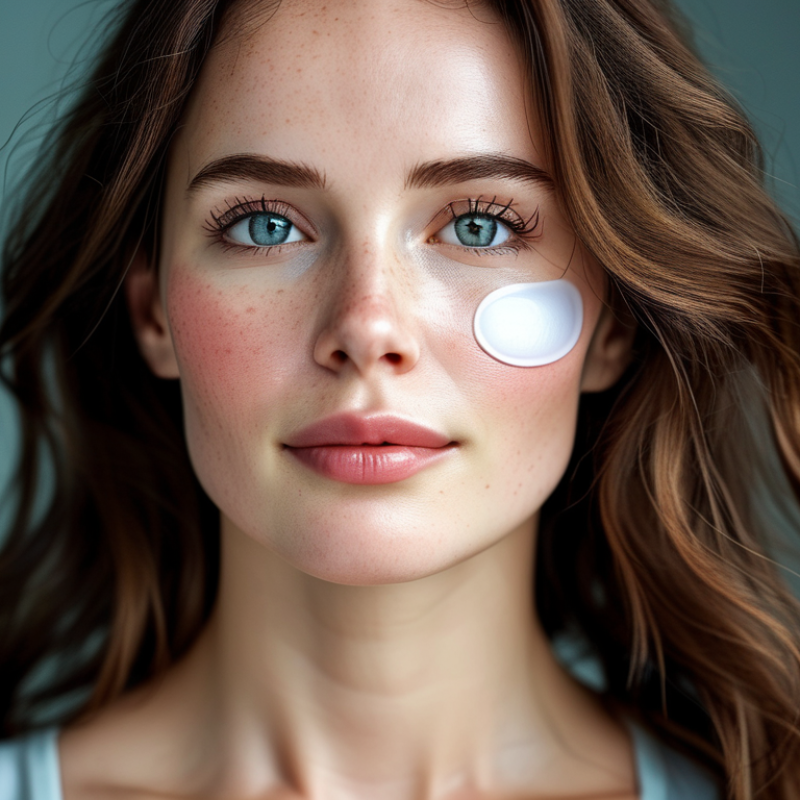
Hydration is crucial for the skin around the eyes. This area is delicate and more prone to dryness and aging. The eye region has fewer sebaceous glands, leading to less natural moisture. A study published in the Journal of Investigative Dermatology found that hydration levels directly impact skin elasticity and overall appearance. Well-hydrated skin appears plumper and healthier.
According to dermatologists, incorporating hydrating ingredients is essential. Hyaluronic acid and glycerin can attract moisture to the skin. These ingredients help retain water, which is vital for maintaining skin elasticity. Research indicates that using products with these components can improve skin hydration by up to 30% within weeks. Regular hydration can also ward off fine lines and other signs of aging.
However, many people neglect their eye area. This oversight can result in dryness and premature wrinkles. Environmental factors, such as pollution and sun exposure, exacerbate the issue. A survey conducted by the American Academy of Dermatology reported that 60% of respondents don't use any specific eye cream. This lack of attention may lead to long-term skin damage. It is essential to reassess our skincare routines and prioritize hydration for healthier, youthful-looking eyes.
The eye area can easily become dry due to various factors. Common causes include environmental stressors, dehydration, and insufficient skincare. Air pollution or too much screen time may irritate the delicate skin. You may not realize how much irritation can come from simple daily habits like rubbing your eyes. This type of friction can lead to increased dryness and discomfort.
To combat dryness, consider adding a gentle moisturizing eye cream to your routine. Look for ingredients like hyaluronic acid and ceramides, which can help retain moisture. Also, drink plenty of water daily. Hydration starts from the inside out. Even minor changes in your diet can significantly affect your skin's texture.
Remember, not every treatment works for everyone. It’s essential to listen to your skin. If you notice persistent dryness, evaluate your lifestyle. Are you getting enough sleep? Stress can worsen dryness as well. Reducing screen time or taking breaks can make a difference. Pay attention to how your skin responds to changes. Adjusting your skincare routine may take time, but finding what suits you is worth the effort.
Hydration is crucial for the delicate skin around the eyes. It is often the first area to show signs of aging, such as fine lines and dryness. Research indicates that over 60% of individuals experience dryness in their eye region by the age of 30. This highlights the need for effective eye creams and gels that target hydration.
When choosing hydrating products, look for key ingredients like hyaluronic acid, which can hold up to 1000 times its weight in water. Peptides are another favorite; they promote collagen production and enhance skin elasticity. Aloe vera is also beneficial, providing soothing hydration while minimizing irritation. According to a dermatological study, products containing these ingredients could improve skin hydration levels by up to 40% after four weeks of regular use.
Recognizing that eye area hydration isn't one-size-fits-all is vital. Some might find certain ingredients cause irritation. Be attentive and patch-test new products. Apply creams with your ring finger—it's the gentlest touch. Maintaining a consistent routine is essential, but listen to your skin. If it feels dry or reacts negatively, revisit your choices.
Keeping the eye area hydrated is crucial for a youthful appearance. The skin around the eyes is thin and delicate. Environmental factors can easily lead to dryness and irritation. Regularly drinking water is vital. Aim for at least eight glasses a day. Dehydration shows up quickly on the skin.
Incorporating hydrating foods into your diet can also help. Fruits like watermelon and cucumbers have high water content. Omega-3 fatty acids, found in fish and flaxseeds, promote hydration. They help maintain the skin's lipid barrier. Consider using a humidifier at home. It adds moisture to the air, benefiting the skin.
Establishing a skincare routine is essential too. Look for eye creams with hyaluronic acid or peptides. Apply gently, using your ring finger to avoid unnecessary pressure. This area requires gentleness. Remember, overusing products may irritate rather than help. Stay mindful of your skin's reactions. Hydration isn't just about external products; it’s a holistic approach.
The eye area is often delicate and prone to dryness. Natural remedies can provide soothing and moisturizing benefits. Using cucumber slices is a classic method. They have cooling properties and can reduce puffiness. Place them on your eyes for 10-15 minutes. You’ll feel refreshed instantly.
Aloe vera gel is another excellent option. It hydrates the skin without clogging pores. Apply a small amount to your fingertip and gently pat it around your eyes. The gel’s soothing texture can help calm irritation.
Consider making a simple chamomile tea compress. Brew chamomile tea bags and let them cool. Place the cooled bags on your eyes for a calming effect. This method is especially helpful after a long day. Remember, though, that not all remedies work for everyone. Skin sensitivity varies, so patch-test any new ingredient.
| Remedy | Description | Benefits | Usage Frequency |
|---|---|---|---|
| Cucumber Slices | Fresh cucumber slices applied to the eyes. | Reduces puffiness and hydrates the skin. | Daily |
| Aloe Vera Gel | Pure aloe vera gel applied gently around the eyes. | Soothes irritation and hydrates deeply. | Every other day |
| Tea Bags | Used tea bags (green or black) placed over the eyes. | Decreases dark circles and provides a cooling effect. | Twice a week |
| Vitamin E Oil | A few drops of vitamin E oil applied at night. | Nourishes skin and reduces signs of aging. | Nightly |
| Rose Water | Chilled rose water soaked cotton pads placed on the eyes. | Hydrates and refreshes the eye area. | As needed |
: Common causes include environmental stressors, dehydration, and insufficient skincare routines.
Regularly drink water and eat hydrating foods like fruits and vegetables.
Look for hyaluronic acid and ceramides to help retain moisture in the skin.
Yes, cucumber slices and aloe vera gel can soothe and hydrate the eye area.
Lifestyle factors like sleep, stress, and screen time can significantly affect dryness.
It’s good to adjust your routine, but be mindful of how your skin reacts over time.
Brew and cool chamomile tea bags, then place them on your eyes for a calming effect.
Apply gently with your ring finger, as this area is delicate and requires care.
Yes, dehydration can quickly show on your skin, leading to dryness and irritation.
A humidifier adds moisture to the air, which can help benefit your skin's hydration.
Maintaining hydration in the eye area is crucial for preventing dryness and promoting a youthful appearance. Understanding the importance of hydration for this delicate skin is the first step in addressing common causes of dryness, such as environmental factors and aging. To effectively keep the eye area hydrated, incorporating specific ingredients into your skincare routine is essential. Look for eye creams and gels that contain hydrating components like hyaluronic acid, glycerin, and peptides.
In addition to using the right products, adopting lifestyle tips can further enhance moisture retention. Staying properly hydrated by drinking enough water, using a humidifier in dry environments, and practicing good sleep hygiene can make a notable difference. Natural remedies, such as cold compresses and aloe vera, can also provide soothing relief. By understanding how to keep the eye area hydrated, you can combat dryness and maintain healthy, radiant skin around your eyes.

AJD Skincare