7 Best Ways to Protect Lips in Different Seasons

Time:2026-09-28 Author:Madeline
0%

Lips face changing stress throughout the year: winter wind strips moisture, spring pollen encourages rubbing, and summer sunlight reaches exposed skin. Learning how to protect lips in different seasons means adjusting care to the weather, not relying on one balm all year. The World Health Organization and World Meteorological Organization’s Global Solar UV Index guide explains that UV exposure varies with season, time of day, cloud cover, and reflection from surfaces such as snow. A snowy walk can still expose your lips to UV.

The American Academy of Dermatology recommends broad-spectrum SPF 30 or higher for exposed skin and reapplication at least every two hours outdoors. Its guidance also supports using lip balm with SPF. Dermatologist Dr. Hadley King’s public advice similarly emphasizes protecting lips from sun exposure, not just during beach trips. Keep a small SPF lip balm by your keys. Reapply after eating or drinking, too.

Seasonal care also means noticing small changes. Indoor heating may leave lips tight; humid summer air can make heavy products feel uncomfortable. Avoid licking dry lips, since saliva evaporates and can worsen dryness. Simple habits help. Still, no balm works for everyone, and persistent cracking, bleeding, or sores deserve medical attention. This guide explores seven practical ways to adapt lip care across the seasons, with realistic steps for cold mornings, bright afternoons, and everything between.
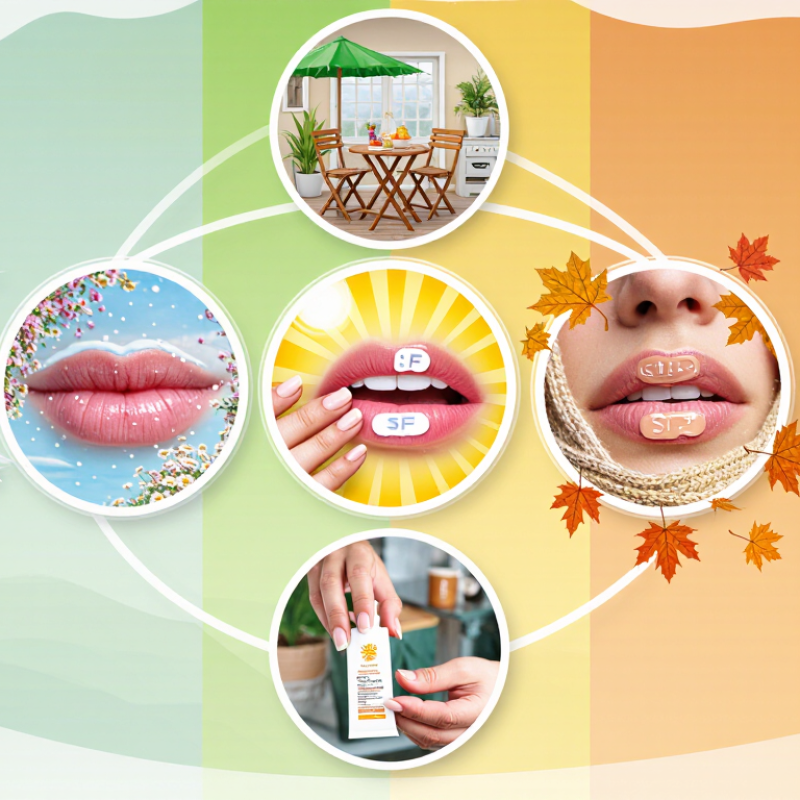
7 Best Ways to Protect Lips in Different Seasons

Understanding How Seasonal Changes Affect Lip Health

7 Best Ways to Protect Lips in Different Seasons

Seasonal changes affect lips because their skin is thin and has few oil glands. Cold air, wind, and indoor heating can pull away moisture, leaving lips tight or flaky. Summer brings stronger sunlight, which can irritate exposed lips. Dry air and frequent temperature shifts may also make discomfort worse. Small changes add up.

Spring and autumn can be tricky. Cool mornings and warm afternoons may tempt you to lick dry lips, but saliva evaporates quickly and can leave them drier. It is easy to blame one product or one cold day; often, weather, habits, and personal sensitivity overlap. Persistent cracking or sores deserve medical advice, rather than guesswork.

Tips: Apply a fragrance-free lip balm regularly, especially before going outdoors and before bed. In sunny weather, choose lip protection labeled SPF 30 or higher, and reapply after eating or drinking. Cover your mouth in cold, windy conditions. Drink when thirsty, and try not to lick or pick at flakes. Your routine may need small seasonal adjustments.

Adapting Lip Care to Spring’s Shifting Weather

Spring can change direction within a few hours. A cool morning breeze may give way to warm sunshine, while indoor heating still dries the air. Lips have little natural oil, so wind and frequent temperature shifts can leave them tight or flaky. Apply a plain, fragrance-free ointment before heading outside and after meals. When outdoors, choose a lip product with broad-spectrum SPF 30 or higher, then reapply about every two hours and after eating or drinking. Even cloudy days count.

Tips: Keep a small lip balm in your coat pocket, not just at home. Try not to lick peeling lips; saliva evaporates quickly and can make dryness worse. A soft, damp cloth can lift loose flakes. Skip scrubbing.

Pay attention to what seems to trigger irritation. Mint, fragrance, or flavored products bother some people, though reactions vary. I sometimes forget to reapply after lunch; that is exactly when wind exposure catches up. If cracking or soreness persists, or the skin develops a rash, ask a healthcare professional for advice.

7 Best Ways to Protect Lips in Different Seasons: Adapting Lip Care to Spring’s Shifting Weather

Spring lip-care tip: UV exposure can rise even on cool or cloudy days. Use a broad-spectrum lip balm with SPF 30 or higher, and reapply at least every two hours and after eating or drinking.

The bars show the starting UV Index value for each WHO exposure category, not seasonal measurements. WHO categories: Low 0–2, Moderate 3–5, High 6–7, Very high 8–10, and Extreme 11+.

Protecting Lips From Summer Sun and Heat

Summer sun can dry and irritate lips, which have less natural protection than much of the skin. Apply a broad-spectrum lip balm with SPF 30 or higher before going outdoors. Reapply about every two hours, and after swimming, sweating, or eating. Check the label for water resistance, but remember that it does not last all day. A small tube in a beach bag helps. So does setting a phone reminder.

Heat and wind matter, too. Drink water regularly, especially during outdoor exercise, and seek shade around midday when possible. A wide-brimmed hat can shade your mouth while you walk or sit outside. Try not to lick your lips. It may feel soothing for a moment, but saliva evaporates and can leave them drier. I still catch myself doing it on long, hot walks.

If lips feel dry, use a plain, fragrance-free balm and avoid picking at peeling skin. Stinging is not proof that a product is working; it can signal irritation. Pause any product that causes burning or swelling. Persistent cracking, sores, or unusual changes deserve a check from a healthcare professional, since sun exposure can affect the lips over time.

Preventing Dryness During Autumn and Winter

Autumn air can turn cool and dry before winter arrives. Wind pulls moisture from the thin skin on your lips, while indoor heating can make the problem worse. Licking them may feel soothing for a moment, but saliva evaporates quickly and leaves lips feeling tighter. It is a frustrating habit to notice.

Apply a fragrance-free, thick lip ointment before going outside and again after eating or drinking. Ingredients such as petrolatum or ceramides help form a protective barrier. Keep a small tube near your keys; remembering it after your lips already sting is less useful.

At bedtime, add a generous layer. A humidifier may also help if heated rooms feel especially dry.

Avoid picking flakes or scrubbing lips, since small cracks can become more irritated. Some flavored or cooling products can sting, so stop using one if discomfort follows. I sometimes forget to reapply after a long walk, and the tightness is a useful reminder, though not a pleasant one. Seek advice from a health professional if cracking or irritation persists despite gentle care.

Choosing Everyday Habits for Year-Round Lip Protection

Lip protection works best when it becomes part of ordinary routines, not just a response to cracking. Keep a simple, fragrance-free balm near your toothbrush or keys, and apply it after washing your face or eating. Small reminders help. During daylight, use a broad-spectrum lip product with SPF 30 or higher. Reapply about every two hours outdoors, and after eating or drinking. A brimmed hat adds shade, but it does not replace sunscreen.

Cold wind and indoor heating can leave lips feeling tight. Apply balm before heading outside, and consider using a humidifier in a dry room. In hot weather, keep your lip product in the shade rather than a hot car. Try not to lick or pick at flaky skin; saliva evaporates quickly and may make dryness worse. I still forget sometimes, especially on rushed mornings. That is a useful reminder to keep balm where I can see it.

Notice what seems to irritate your lips. Strong scents, flavors, or certain cosmetics may bother some people, so pause a product if discomfort follows its use. Drink when thirsty, but remember that water alone will not prevent every dry-lip problem. If cracking or sores persist despite gentle care, ask a healthcare professional for advice. Some habits need adjusting.

7 Best Ways to Protect Lips in Different Seasons - Choosing Everyday Habits for Year-Round Lip Protection
Everyday Habit Spring Summer Autumn Winter Why It Helps
1. Use a broad-spectrum lip balm with SPF 30 or higher Apply before outdoor activities, even on mild or cloudy days. Use it regularly during outdoor time, especially near water or at high elevations. Continue using it on sunny days; UV exposure does not stop when summer ends. Apply during outdoor activities, including skiing or other snow sports. Lips can be affected by ultraviolet radiation throughout the year. Broad-spectrum protection covers UVA and UVB rays.
2. Reapply sun-protective lip balm Reapply about every two hours outdoors and after eating or drinking. Reapply at least every two hours outdoors and after swimming, sweating, or wiping the lips. Reapply during extended outdoor activities and after meals. Reapply outdoors, particularly after eating, drinking, or wiping the lips. Sun-protective products can wear off with time, food, moisture, and friction. Follow the product label.
3. Choose a simple, fragrance-free moisturizing balm Use as needed when changing weather or wind leaves lips feeling dry. Keep a balm available for dry indoor air or time spent in air-conditioned spaces. Begin applying regularly as temperatures drop and indoor heating begins. Apply frequently; ointment-based ingredients such as petrolatum can help seal in moisture. Fragrance and flavoring ingredients can irritate some people. A simple, non-irritating formula is a practical choice for dry lips.
4. Avoid licking, biting, or picking at the lips Use balm instead of licking when lips feel dry or tight. Replace the habit with balm, especially in dry indoor environments. Use balm before lips become rough, and avoid peeling loose skin. Take extra care in cold or windy weather, when lips may already feel dry. Saliva evaporates quickly and can leave lips drier. Biting and picking may also irritate or injure delicate lip skin.
5. Shield lips from wind and harsh weather Use a scarf or face covering on windy days. Seek shade during strong sun and cover up during prolonged outdoor exposure. Cover the lower face on cool, windy days. Use a scarf to reduce exposure to cold, wind, and dry air. Wind and cold can increase moisture loss and make lips feel uncomfortable. Physical coverage adds a barrier.
6. Keep indoor air comfortably humid Consider a clean humidifier if indoor air feels dry. Use one if air conditioning makes indoor air uncomfortably dry. Consider using one when heating starts and indoor air becomes dry. A humidifier may help when indoor heating lowers humidity; clean it according to its instructions. Adding moisture to dry indoor air may reduce one source of skin dryness. Follow the humidifier's cleaning guidance.
7. Drink fluids regularly and notice persistent symptoms Drink according to thirst and activity, especially during outdoor exercise. Replace fluids during hot weather and exercise; needs vary by person and activity. Maintain regular fluid intake even when cooler weather reduces thirst. Keep up normal fluid intake; dry lips are not always caused by dehydration alone. Regular hydration supports general health, but persistent cracking, sores, or irritation may need evaluation by a healthcare professional.

FAQS

Why do lips get drier in cold weather?

Cold air, wind, and indoor heating can pull moisture from thin lip skin. A little tightness can add up.

How can I protect my lips from summer sun?

Use broad-spectrum lip protection labeled SPF 30 or higher. Reapply about every two hours outdoors, and after eating, swimming, or sweating.

Does licking dry lips help?

It may feel soothing briefly, but saliva evaporates quickly and can leave lips drier. I still catch myself doing it.

What can help protect lips on windy days?

Apply fragrance-free balm before going outside. Cover your mouth with a scarf when cold wind picks up.

Should I stop using a balm that stings?

Yes. Stinging or burning may signal irritation, not effectiveness. Pause the product, especially if swelling occurs.

Can drinking water prevent dry lips?

Drink when thirsty, but water alone may not prevent dryness. Weather and personal sensitivity matter too.

What small habits can make lip care easier?

Keep balm near your toothbrush or keys. Apply it after washing your face or eating. I forget on rushed mornings.

When should I ask a healthcare professional about my lips?

Get advice if cracking, sores, or unusual changes persist despite gentle care. Guessing is not always helpful.

Conclusion

Seasonal changes can affect the lips’ delicate skin in different ways. Spring’s shifting temperatures and breezes may cause dryness, while summer brings strong sunlight, heat, and increased exposure to the elements. In autumn and winter, cold air, wind, and indoor heating can leave lips feeling tight or chapped. Understanding these seasonal challenges is the first step in learning how to protect lips in different seasons.

Adapt your routine throughout the year: use a gentle, moisturizing lip product regularly, choose sun protection for outdoor activities, and reapply after eating or drinking. In colder months, cover your lips when outdoors and avoid licking or picking at them, which can worsen dryness. Drink enough water and use a humidifier when indoor air feels dry. Simple, consistent habits—along with products that suit your needs—can help keep lips comfortable and healthy in every season.

Madeline

Madeline

Madeline is a dedicated marketing professional with a wealth of expertise in our company's core offerings. With a keen understanding of the industry, she brings a unique perspective to her role, consistently delivering high-quality content that highlights the superior aspects of our products. As......