Dark circles under the eyes are a common concern. They can make us appear tired or older. Understanding what causes dark circles under the eyes is crucial for addressing this issue effectively. Dr. Emma Cooper, a renowned dermatologist, states, "The skin under the eyes is delicate and can reflect stress, fatigue, and aging readily."
Factors contributing to dark circles include genetics, lifestyle habits, and environmental conditions. Lack of sleep is a significant trigger. Stress and dehydration can worsen the appearance of dark circles. Sun exposure may lead to pigmentation changes as well.
Moreover, some might overlook the impact of their diet on skin health. An unhealthy diet can exacerbate skin issues. While there are effective remedies, it’s essential to identify the root cause first. Achieving lasting results begins with understanding each individual’s specific conditions and triggers. Awareness of what causes dark circles under the eyes can empower us to tackle them head-on. It's a journey that requires reflection and personal commitment.
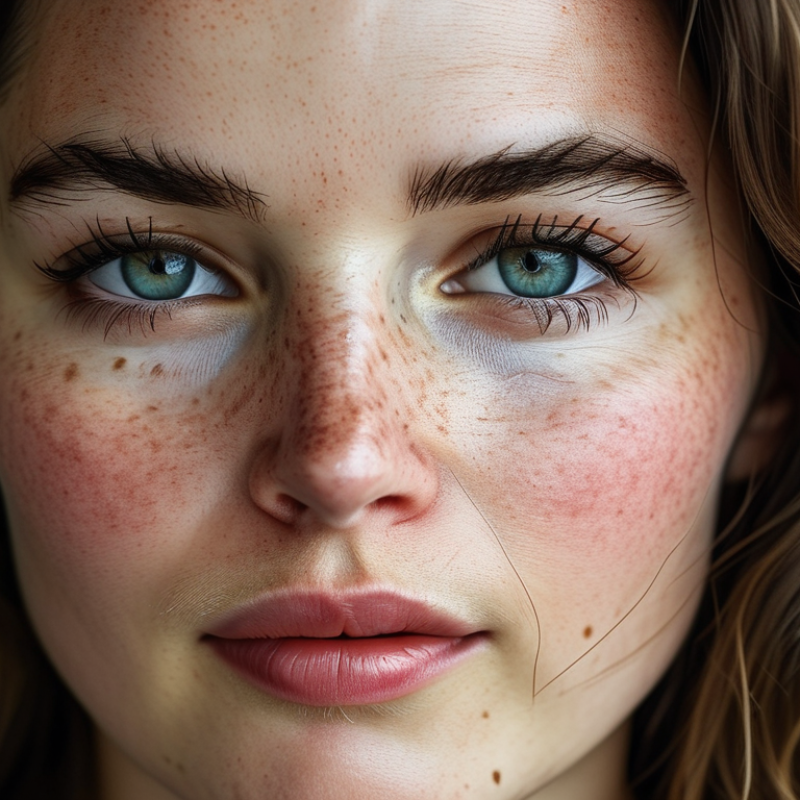
Causes of Dark Circles: Understanding the Underlying Factors
Dark circles under the eyes can be a frustrating concern. Understanding the causes can help in managing this condition. Genetics play a significant role, as reports indicate that about 40% of individuals may inherit predispositions to dark circles. Thin skin around the eyes makes blood vessels more visible, creating a pronounced effect. Additionally, UV exposure can contribute to skin thinning, exacerbating this issue.
Poor sleep and stress are prevalent factors as well. Studies show that individuals obtaining less than seven hours of sleep regularly are more likely to experience dark circles. Sleep deprivation also increases cortisol levels, which can worsen skin aging. Furthermore, hydration levels impact the skin's appearance. A lack of water can lead to dull skin, emphasizing dark circles.
Allergies and aging are additional culprits. Allergies can cause inflammation, leading to pigmentation changes around the eyes. Aging reduces collagen production, which can deepen the hollows under the eyes. While many seek quick fixes, it may take time to address these underlying factors. Reflecting on lifestyle choices can lead to meaningful improvements in appearance and overall well-being.
Impact of Sleep Deprivation on Eye Health and Dark Circles
Sleep deprivation poses a significant threat to eye health and often results in dark circles beneath the eyes. Research indicates that one in three adults does not get sufficient sleep, contributing to a range of health issues. A study published in the Journal of Clinical Sleep Medicine found that sleep-deprived individuals tend to have paler skin and more pronounced dark circles.
The impact of inadequate sleep on the skin is profound. During deep sleep, the body undergoes repair processes and cell regeneration. When this cycle is disrupted, the skin loses its vitality. An analysis from the American Academy of Sleep Medicine highlights that every hour of lost sleep can increase signs of aging, such as dark circles. Moreover, lack of sleep can cause blood vessels to dilate, creating a bluish tint under the eyes.
It's vital to acknowledge personal habits that contribute to sleep loss. Stressful lifestyles and excessive screen time are notable culprits. Studies suggest that blue light emitted by electronic devices can delay the production of melatonin, the hormone responsible for sleep. Finding a balance between technology use and quality sleep is essential for eye health and overall well-being. Prioritizing consistent sleep patterns may be challenging, but it's a necessary reflection for anyone seeking to improve their appearance and health.
Genetic Predisposition: How Your Genes Influence Dark Circles
Dark circles under the eyes often stem from various factors, with genetics playing a significant role. If your family members have dark circles, there's a chance you may inherit this trait. The genes you receive influence your skin's thickness and pigmentation. Thinner skin can reveal underlying blood vessels more easily, resulting in the appearance of dark circles.
In addition to genetic predisposition, lifestyle factors also contribute. Lack of sleep, poor diet, and stress can exacerbate the condition. Even with a good skincare routine, genetics may make it harder to eliminate dark circles entirely. Environmental factors, such as sun exposure, can darken pigmentation, complicating matters further. Awareness of these influences is essential for realistic expectations in treatment.
Navigating this issue requires a balanced approach. Understanding your genetic makeup can help you choose effective remedies. While makeup can temporarily mask dark circles, it may not address the root cause. Embracing your natural look and focusing on overall health may offer the best results. Aim for hydration and proper rest, acknowledging that genetics cannot be changed.
What Causes Dark Circles Under the Eyes
Environmental Factors: Allergies, Sun Exposure, and Their Effects
Dark circles under the eyes can be exacerbated by various environmental factors, particularly allergies and sun exposure. Allergies trigger an inflammatory response in the body, which can cause blood vessels to become more pronounced under the thin skin surrounding the eyes. According to a report from the American Academy of Dermatology, nearly 50 million Americans experience allergies, highlighting a significant link between allergies and dark circles.
Sun exposure can also worsen dark circles. UV rays damage the skin, leading to increased pigmentation and a loss of collagen. A study published in "Dermatologic Surgery" revealed that prolonged sun exposure could result in skin thinning and discoloration. As a result, protecting the delicate area around the eyes from UV damage is essential.
To help combat dark circles, consider these strategies. Keep hydrated; dehydration can make dark circles more noticeable. Wearing sunscreen daily acts as a barrier against UV rays. Also, use cold compresses to reduce swelling and constrict blood vessels, offering instant relief. Regularly getting enough sleep also plays a vital role in minimizing their appearance. Think about how these factors contribute to your overall skin health and take actionable steps to improve it.
Effective Remedies: Tips to Reduce and Prevent Dark Circles
Dark circles under the eyes can be a frustrating concern for many. They often stem from a variety of factors including fatigue, stress, and genetics. In addition to these, lifestyle choices like poor nutrition and dehydration can exacerbate the issue. To address dark circles effectively, it’s essential to focus on remedies that promote overall skin health.
One effective approach is to ensure adequate hydration. Drinking enough water can help plump the skin, reducing the appearance of shadows. Incorporating foods rich in vitamins, especially K and C, can improve skin elasticity and brighten the area. Regular sleep patterns are crucial too; aim for 7-9 hours of quality sleep each night.
For topical solutions, consider using cold compresses or chilled tea bags. These can temporarily constrict blood vessels, leading to a reduction in puffiness and discoloration. Since everyone’s skin is different, it's crucial to experiment with home remedies and observe how your skin reacts. Small lifestyle adjustments can often yield significant results over time. Keep in mind that patience is required; results may not be instant, and understanding your skin’s unique needs is key.
FAQS
: Dark circles can be caused by allergies, fatigue, stress, and genetics. Dehydration can also make them worse.
Allergies can cause inflammation and make blood vessels more visible under the thin skin of the eyes.
UV rays can damage the skin, leading to pigmentation changes and thinning of the skin, worsening dark circles.
Stay hydrated, wear sunscreen, and use cold compresses. Regular sleep is also important for overall skin health.
Foods rich in vitamins K and C can improve skin elasticity and brighten the area under the eyes.
Aim for 7-9 hours of quality sleep each night to minimize the appearance of dark circles.
Experiment with cold compresses and chilled tea bags to see what works best for your skin.
Patience is required. Results may take time as small lifestyle changes can lead to significant improvements.
Staying hydrated helps plump the skin and reduces the visibility of dark circles around the eyes.
Understand that everyone's skin is different, so monitor your skin's reactions to various remedies carefully.
Conclusion
Dark circles under the eyes are a common cosmetic concern that can stem from various underlying factors. Understanding what causes dark circles under the eyes is crucial for effective prevention and treatment. Key causes include sleep deprivation, which significantly impacts eye health, creating a tired appearance. Additionally, genetic predisposition plays a role, as certain individuals may be more prone to developing these dark circles due to inherited traits. Environmental factors, such as allergies and sun exposure, can further exacerbate the issue by causing inflammation and enhancing pigmentation in the delicate skin around the eyes.
To address this condition, individuals can adopt effective remedies and lifestyle changes. Prioritizing sufficient sleep, managing allergies, and protecting the skin from sun damage are essential steps. Additionally, incorporating hydration and skin care routines can significantly help reduce the appearance of dark circles and promote overall eye health. By understanding these contributing factors and implementing targeted strategies, one can effectively manage and prevent dark circles under the eyes.

 AJD Skincare