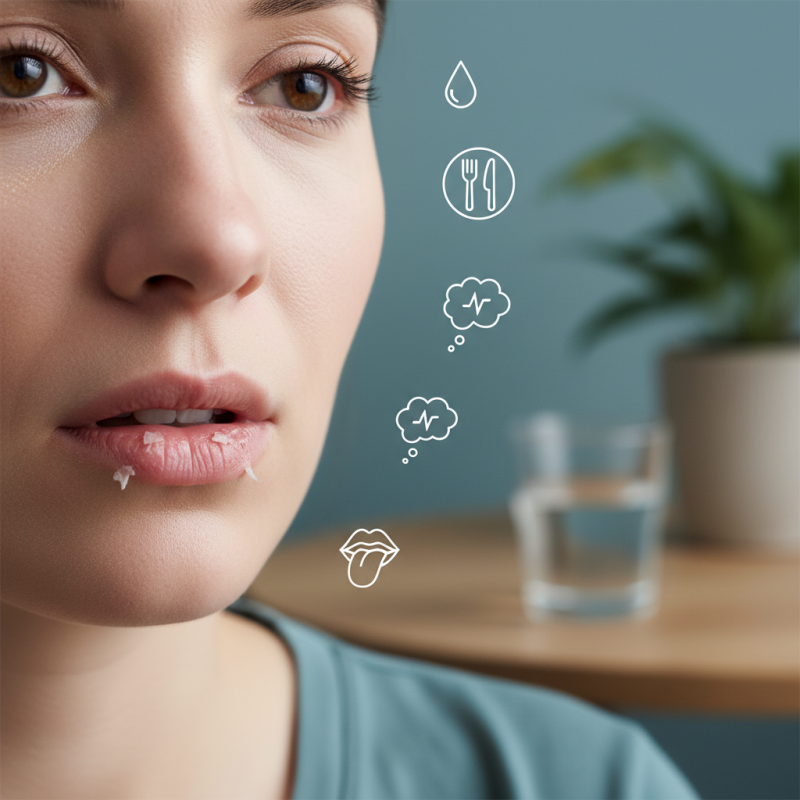
Cracked or peeling lips are a common issue that many face. It can be uncomfortable and embarrassing. But what causes lips to crack or peel? Understanding this can help you prevent and treat the problem effectively.
At first glance, dry weather might seem like the culprit. However, there are many factors at play. For instance, dehydration can severely impact your lip health. In addition, nutritional deficiencies can lead to cracks in the skin. Many overlook how important it is to maintain a balanced diet.
Moreover, certain habits may worsen the condition. Licking lips may provide temporary relief but often leads to more dryness. Stress can also take a toll on your skin. Emotional and environmental stressors can trigger various skin issues, including lip dryness. Being aware of these triggers is crucial. It's essential to reflect on your lifestyle and consider changes that promote better lip health.
Common Environmental Factors Leading to Lip Damage
Environmental factors can significantly contribute to cracked or peeling lips. Cold winds, dry climates, and excessive sun exposure can strip moisture away from your lips. When the air is dry, lips lose hydration quickly, leading to dryness and cracking. Furthermore, prolonged sun exposure can cause sunburn on your lips, aggravating the situation.
Hydration is essential for maintaining lip health. Drink plenty of water throughout the day. Consider using a humidifier at home, especially during winter. A humidifier adds moisture to the air, preventing your lips from drying out. Regularly applying lip balm can also be beneficial. Look for products with natural ingredients like beeswax or shea butter to create a protective barrier.
Pay attention to your environment. If you’re frequently outdoors, wear a hat and seek shade when possible. Avoid licking your lips, as saliva can worsen dryness. Remember that some foods may cause irritation. Spicy or acidic foods can create discomfort for sensitive lips. Identifying triggers is key to preventing issues. Keep a journal of your habits to spot patterns in lip health.
10 Causes of Cracked or Peeling Lips You Need to Know
Nutritional Deficiencies and Their Impact on Lip Health
Nutritional deficiencies play a significant role in lip health. Common vitamins and minerals, such as B vitamins, iron, and zinc, are essential for maintaining soft, supple lips. A lack of these nutrients can lead to cracked or peeling lips. For instance, a deficiency in vitamin B2 (riboflavin) can cause sores and discomfort on the lips. Similarly, low iron levels can result in pale, dry lips, indicating a deeper health issue.
Individuals may overlook the connection between diet and lip condition. Many don’t realize that hydration is equally crucial. Dehydration can exacerbate the dryness of lips. It’s easy to forget to drink enough water or consume essential foods rich in nutrients. A balanced diet that includes fruits, vegetables, and whole grains can help prevent these issues. Understanding the signs of nutritional deficiencies can help improve overall lip health. An awareness of what you consume may lead to better lip care and a more vibrant appearance.
Skin Conditions That Can Cause Cracked or Peeling Lips
Cracked or peeling lips can be a sign of underlying skin conditions. Understanding these conditions is essential for effective treatment. Xerosis, or dry skin, is a common cause. It occurs when the skin loses moisture, leading to flaky and cracked lips. The absence of hydration can exacerbate this issue. Symptoms may include tightness and a persistent urge to lick the lips.
Another possible condition is cheilitis, which can result from inflammation. Angular cheilitis specifically affects the corners of the mouth, leading to painful cracks. This may be due to fungal infections or vitamin deficiencies. Identifying the root cause is crucial for proper management. Allergic reactions to cosmetics or certain foods can also cause irritation and peeling.
Eczema is another complex condition that can affect the lips and surrounding skin. It often flares in response to allergens or stress. The affected areas may become red and inflamed. Psoriasis can likewise contribute to flaky lips, characterized by silvery scales. Both require a tailored approach to treatment. Keeping a journal of symptoms can provide insight into triggers, guiding effective management strategies.
Effects of Medications on Lip Condition
Medications can significantly impact the condition of your lips. Many people do not realize that some common treatments can cause cracks or peeling. Certain medications, particularly those for acne or blood pressure, can lead to dryness. Antidepressants and antihistamines may also contribute to this issue. It’s essential to be aware of these potential side effects and to monitor your lip health when starting any new treatment.
If you notice your lips becoming dry or cracking, reevaluate your medication. Consult with your healthcare provider for alternatives that may be less drying. Staying hydrated is vital as well. Drink plenty of water daily to help maintain moisture within your body.
Additionally, apply a nourishing lip balm regularly. Look for products without harsh chemicals or fragrances. This simple step can create a protective barrier against environmental factors. If peeling persists, consider seeking advice from a dermatologist. They can provide tailored solutions based on your specific situation. Taking action early can help prevent more severe issues down the line.
Lifestyle Habits That Contribute to Lip Irritation
Lifestyle habits play a significant role in lip irritation. One common issue is dehydration. Lack of water intake can lead to dry, cracked lips. According to the American Academy of Dermatology, hydration is key to maintaining healthy skin, including the lips. Ensure you drink enough water throughout the day.
Another factor is exposure to the elements. Wind and sun can cause lips to chap and peel. Health experts recommend using lip balm with SPF protection. It helps shield the lips from harmful UV rays while providing moisture. However, many neglect this simple step in their routine.
Diet also contributes to lip health. A poor diet lacking vitamins can lead to deficiencies. Iron and B vitamins are crucial for healthy lips. The Office of Dietary Supplements states that these nutrients help maintain skin integrity. Paying attention to your nutrition is essential for overall lip care.
Finally, habits like licking your lips can worsen dryness. Saliva evaporates quickly, leaving lips even drier. Breaking such habits can be challenging, but it's necessary. Identifying and addressing these lifestyle factors can improve lip health.
FAQS
: B vitamins, iron, and zinc are crucial for maintaining soft and supple lips.
A lack of vitamin B2 can lead to sores and discomfort on the lips.
Dehydration can exacerbate dryness and lead to cracked lips.
Dehydration, exposure to sun and wind, and poor dietary choices can cause irritation.
Lip balm with SPF protection shields lips from UV rays and provides moisture.
A lack of essential vitamins can lead to dry, cracked, or peeling lips.
Licking lips can worsen dryness, as saliva evaporates quickly.
Consuming fruits, vegetables, and whole grains can improve lip health.
Understanding signs like pale or dry lips may indicate a lack of essential nutrients.
Many people forget to drink enough water or use lip balm regularly.
Conclusion
Cracked or peeling lips can significantly affect comfort and appearance, leading many to wonder what causes lips to crack or peel. Common environmental factors, such as dry weather, sun exposure, and harsh winds, are primary contributors to lip damage. Additionally, nutritional deficiencies, particularly in vitamins B, C, and E, can negatively impact lip health, making them more susceptible to cracking.
Various skin conditions, including eczema and psoriasis, can exacerbate the issue, while certain medications, like those for acne and allergies, may cause dryness as a side effect. Lifestyle habits, such as excessive licking of the lips or using irritating cosmetic products, further contribute to lip irritation. Understanding these causes can help individuals take preventive measures and improve their lip health.

 AJD Skincare