Uneven skin tone on the face is a common concern for many people worldwide. Research indicates that 34% of individuals experience skin discoloration at some point in their lives. Factors like sun exposure and hormonal changes play significant roles in this issue. Understanding what causes uneven skin tone on the face is crucial for effective treatment.
Skin conditions such as melasma, hyperpigmentation, and post-inflammatory erythema often contribute to uneven skin tone. Studies show that women, especially those with darker skin tones, are more prone to these issues. Additionally, environmental stressors like pollution can exacerbate skin discoloration, adding to the complexity of skin health. It’s important to recognize that addressing uneven skin tone requires a holistic approach.
To combat this challenge, a blend of preventative measures and treatments is essential. Dermatologists recommend sunscreen, topical treatments, and lifestyle changes. However, results can vary considerably. Not every product works for everyone, highlighting the need for personalized skincare. Finding the right solution may require patience and persistence, as skin responds uniquely to different treatments.
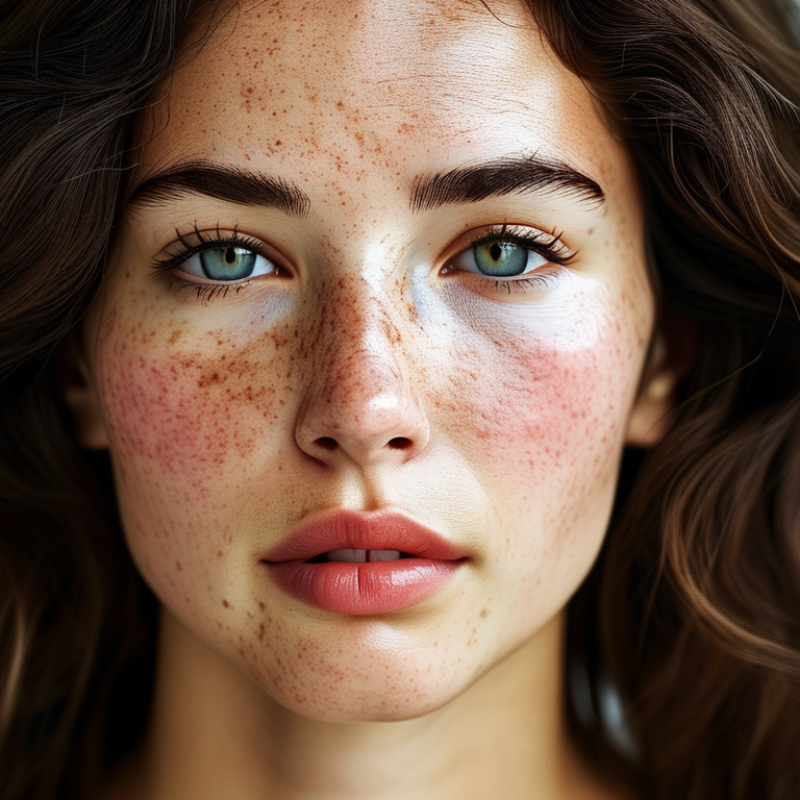
Causes of Uneven Skin Tone on the Face
Uneven skin tone on the face can be caused by various factors. Sun exposure is one of the leading causes. UV rays can darken certain areas, creating patches on the skin. Hormonal changes also play a significant role. Conditions like melasma can affect women, especially during pregnancy or with contraceptive use.
Another reason for uneven skin tone is inflammation. This might stem from acne or other skin conditions, leaving behind post-inflammatory hyperpigmentation. In some cases, lifestyle choices, such as smoking or poor diet, can deteriorate overall skin health.
Tips for addressing uneven skin tone include using sunscreen daily to prevent further damage. Gentle exfoliation can help remove dead skin cells, promoting a more even complexion. Incorporating vitamin C in your skincare routine may brighten dark areas. Remember, results take time. Consistency is key, and everyone’s skin responds differently. Be patient and observe how your skin reacts to various treatments.
Types of Skin Discoloration
Uneven skin tone can manifest in various forms, each requiring specific attention. Hyperpigmentation is a common type, where dark patches appear due to excess melanin. Sun exposure often triggers this condition, which can be frustrating. Age spots are another culprit, showing up as skin matures. They are reminders of years spent in the sun without protection.
On the other hand, hypopigmentation is when skin loses color, leading to lighter patches. Conditions like vitiligo can cause this. These patches can be challenging emotionally and physically. Redness can also present issues, stemming from rosacea or other inflammatory conditions. This redness may feel persistent, affecting one's confidence.
Understanding these types of discoloration is essential for effective treatment. It requires patience and care. Not every method works for everyone, making personalized solutions vital. Humility is key—acknowledging that what works for one may not work for another can guide the journey toward achieving a more balanced skin tone.
Lifestyle Factors Affecting Skin Tone
Lifestyle choices play a significant role in determining skin tone. According to the American Academy of Dermatology, exposure to sunlight contributes to uneven pigmentation. UV rays stimulate melanin production, causing dark spots. Over time, this can lead to skin discoloration, especially in vulnerable areas like the face. A recent study revealed that 70% of participants noticed changes in their skin tone due to sun exposure.
Dietary habits are also crucial. Consuming a diet high in sugar and processed foods can worsen skin conditions. A study published in the Journal of Clinical and Aesthetic Dermatology highlighted that high glycemic index foods contribute to acne and other skin issues. In contrast, foods rich in antioxidants like fruits and vegetables can promote an even skin tone. These nutrients fight free radicals and support skin health.
Stress and sleep quality further impact skin appearance. Chronic stress can trigger hormonal changes, leading to skin flare-ups. The National Sleep Foundation suggests that lack of sleep exacerbates these effects. Improved sleep and stress management can lead to a noticeable difference in skin quality. These lifestyle factors highlight the importance of a holistic approach to achieving even skin tone.
What Causes Uneven Skin Tone on the Face and How to Fix It
Treatment Options for Uneven Skin Tone
Uneven skin tone is a common concern, affecting nearly 50% of the population at some point in their lives. This condition can stem from various factors, including sun exposure, hormonal changes, and aging. Effective treatment options are available to help improve skin tone and texture.
Topical treatments, like retinoids and vitamin C serums, are often highly recommended by dermatologists. These ingredients promote cell turnover and reduce hyperpigmentation. A study indicated that individuals using vitamin C saw marked improvement in skin brightness within 12 weeks. Chemical peels and laser therapy are additional options, targeting deeper layers of skin to promote even pigmentation.
**Tips**: Always wear sunscreen daily. It protects against UV damage, which can worsen uneven skin tones. Incorporate antioxidants into your skincare routine. They combat free radicals contributing to skin discoloration.
It’s essential to consult with a dermatologist before starting any treatment. Each person's skin reacts differently. What works for one individual might not be effective for another. Regular skin assessments can identify the best course of action while ensuring safety and efficacy. Balancing expectations with realistic outcomes can lead to better satisfaction with treatments.
What Causes Uneven Skin Tone on the Face and How to Fix It - Treatment Options for Uneven Skin Tone
| Cause |
Description |
Treatment Option |
Effectiveness |
| Sun Exposure |
UV rays can lead to dark spots and pigmentation. |
Sunscreen, Vitamin C serums |
High |
| Hormonal Changes |
Can cause melasma, leading to uneven tone. |
Topical retinoids, Chemical peels |
Moderate |
| Aging |
Skin loses elasticity and can develop uneven patches. |
Laser treatments, Hyaluronic Acid |
High |
| Skin Conditions |
Conditions like eczema and psoriasis can cause discoloration. |
Prescription creams, Moisturizers |
Varies |
| Diet and Hydration |
Poor nutrition can affect skin health and tone. |
Balanced diet, Hydration |
Moderate to High |
Prevention Tips for Maintaining Even Skin Tone
Uneven skin tone on the face is a common concern. Preventing this issue involves several key strategies. A recent report from the American Academy of Dermatology highlights that sun exposure is a leading cause of pigmentation changes. Wearing sunscreen with at least SPF 30 every day is mandatory, even on cloudy days. This simple step can block harmful UV rays and protect your skin.
Hydration plays a vital role in maintaining an even skin tone. The Skin Cancer Foundation states that proper hydration helps to improve skin texture and elasticity. Drinking adequate water daily can help your skin appear clearer and more vibrant. Additionally, incorporating antioxidants into your diet from fruits and vegetables can fight free radicals. Consider adding berries, spinach, and nuts to your meals for powerful protection.
It’s essential to recognize that even with these measures, achieving flawless skin is unlikely. Many people still experience discoloration due to hormonal changes or genetics. Regularly consulting with a dermatologist can provide tailored advice. They may recommend treatments, such as chemical peels or laser therapy, if necessary. Skincare is often a journey, and embracing imperfections can lead to a healthier relationship with your skin.
Conclusion
Uneven skin tone on the face is a common concern that can arise from various factors. Understanding what causes uneven skin tone on the face is essential for effective treatment. Key causes include sun exposure, hormonal changes, aging, and certain skin conditions. Additionally, skin discoloration can manifest in various forms, such as hyperpigmentation and redness. Lifestyle factors, including diet, hydration, and stress levels, also significantly impact skin appearance.
To address uneven skin tone, various treatment options are available, including topical treatments, chemical peels, and laser therapy. Moreover, maintaining an even skin tone involves adopting preventive measures such as using sunscreen, staying hydrated, and leading a balanced lifestyle. By recognizing the underlying causes and implementing appropriate strategies, individuals can enhance their skin’s overall appearance and health.

 AJD Skincare