Uneven skin tone on the face is a common issue faced by many. Understanding what causes uneven skin tone on the face can help in addressing it effectively. Dr. Sarah Lee, a renowned dermatologist, points out, "Sun exposure, hormonal changes, and skin conditions are primary contributors." These factors can lead to dark spots or patches, affecting one's self-esteem.
Many individuals struggle with confidence due to skin tone irregularities. It is frustrating to invest time and products into skincare only to see minimal results. Some may believe that all hope is lost when it comes to achieving an even complexion. Yet, the truth is, awareness and proper care can make a significant difference.
There are various methods to combat this issue. Treatments range from topical solutions to professional procedures. However, it's crucial to recognize that improvement takes time and persistence. Identifying the root cause is the first step in this journey toward healthy skin. Change is possible, and addressing skin tone concerns can ultimately lead to a more confident you.
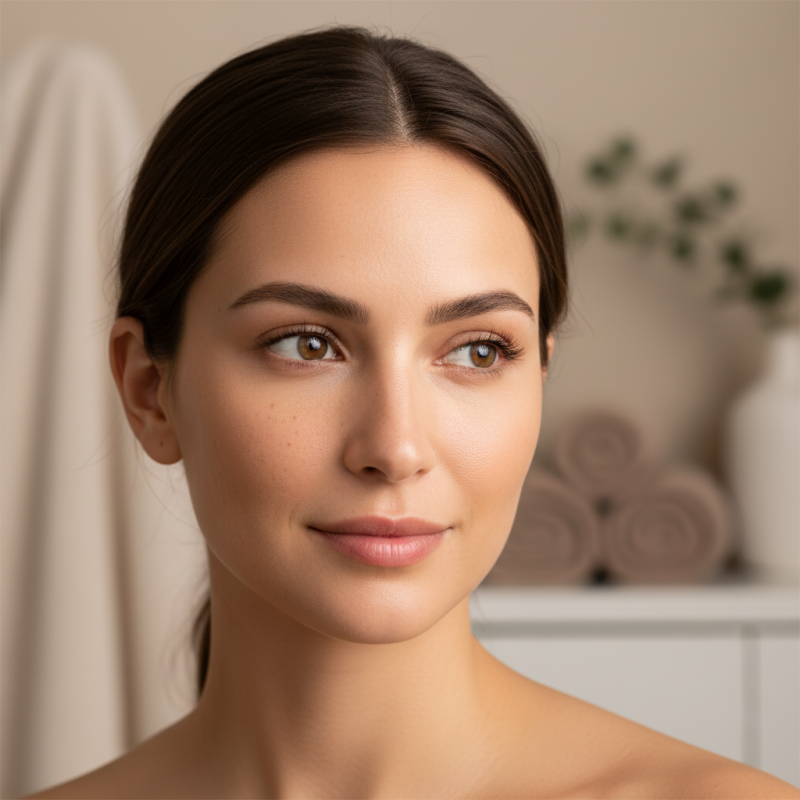
Uneven skin tone on the face can stem from various factors. Sun exposure is a primary cause, leading to dark spots and discoloration. UV rays damage skin cells, prompting hyperpigmentation. Even short periods in the sun can have lasting effects.
Hormonal changes also play a role. For instance, fluctuations during pregnancy or menstruation can trigger melasma. This condition often appears as brown patches on the face. Stress may worsen existing skin issues, contributing to uneven tones.
Age is another factor; as we age, skin loses its natural glow. Also, skin texture may change, leading to dullness. Lifestyle choices significantly impact skin health. Poor diet and lack of hydration can worsen unevenness. Regular self-assessment can help identify these issues. It's essential to be mindful of habits affecting your skin.
Uneven skin tone on the face can stem from various skin conditions. Hyperpigmentation is one of the most common issues. Studies show that around 75% of adults may experience some form of hyperpigmentation by age 50. Sun exposure, hormonal changes, and inflammation can worsen this condition. Dark patches often appear due to an overproduction of melanin.
Another skin condition linked to uneven skin tone is melasma. This disorder affects approximately 6 million women in the United States alone. Melasma commonly occurs during pregnancy or due to hormonal treatments. It often results in brown or gray-brown spots, primarily on the face.
Post-inflammatory hyperpigmentation can also cause skin tone inconsistencies. This condition occurs after acne scars or skin injuries. Research indicates that up to 30% of skin types may be prone to this issue. Managing these conditions often requires a multi-faceted approach, including topical treatments, sun protection, and professional procedures. Awareness of these common conditions is crucial for effective management.
This bar chart illustrates the prevalence of various skin conditions associated with uneven skin tone. Hyperpigmentation and melasma are the most common issues reported, while hypopigmentation has a lower prevalence. Understanding these conditions can help in identifying appropriate treatments.
Environmental factors play a crucial role in determining our facial skin tone. Pollution, for example, can cause oxidative stress, leading to dark spots. Ultraviolet (UV) radiation from the sun can also trigger hyperpigmentation. This exposure damages skin cells, making them uneven in tone.
Lifestyle choices contribute significantly to skin health. Poor diet, filled with processed foods, affects skin vibrancy. Lack of hydration can result in a dull complexion. Sleep deprivation hampers the skin's ability to repair itself. Stress can lead to breakouts and uneven texture, too. These elements require awareness and reflection.
Addressing uneven skin tone necessitates a multifaceted approach. Regular sun protection is vital. Incorporating antioxidants in your diet can help combat damage. Gentle exfoliation promotes skin renewal. A thoughtful skincare routine tailored to your needs is essential. Striving for improvements in these areas takes time and patience but can yield rewarding results.
Uneven skin tone is a common concern for many individuals. It can stem from various factors such as sun exposure, hormonal changes, and inflammation. According to the American Academy of Dermatology, nearly 30% of adults experience skin discoloration. Addressing uneven skin tone requires a dedicated skincare routine tailored to individual skin types.
Incorporating vitamin C serums can enhance skin brightness and promote even skin tones. Studies show that vitamin C can reduce melanin production, leading to a more uniform appearance. Gentle exfoliation is also crucial. Chemical exfoliants like alpha hydroxy acids (AHAs) help remove dead skin cells and encourage cell turnover. This process can improve texture while reducing dullness.
Hydration is essential for optimal skin health. Products with hyaluronic acid attract moisture, ensuring the skin remains plump. Consistency matters. Commit to a routine that includes sunscreen daily. The Skin Cancer Foundation states that daily sunscreen use reduces the risk of skin damage by 40%. Uneven skin tone may take time to improve, requiring patience and reflection on one's skincare choices.
| Causes of Uneven Skin Tone | Description | Skincare Routine Solutions |
|---|---|---|
| Sun Exposure | UV rays can increase melanin production, causing dark spots. | Use broad-spectrum sunscreen daily and reapply every 2 hours. |
| Hormonal Changes | Hormonal fluctuations can lead to pigmentation issues like melasma. | Consider products with brightening ingredients like vitamin C or licorice extract. |
| Post-Inflammatory Hyperpigmentation | Skin changes after acne or injury can leave dark spots. | Incorporate chemical exfoliants like AHAs and BHAs into your routine. |
| Genetics | Inherited traits can predispose individuals to uneven pigmentation. | Utilize consistent skincare routines with targeted treatments for pigmentation. |
| Environmental Factors | Pollution and irritants can exacerbate skin tone issues. | Incorporate antioxidants and restorative ingredients to protect and repair the skin. |
Uneven skin tone can be frustrating, but several professional treatments can help restore balance. Chemical peels are popular. These treatments use acids to exfoliate the top layer of skin, revealing fresh, even-toned skin beneath. Various strengths are available, allowing for customization according to individual needs. After a treatment, you may notice peeling or redness, but results typically improve over time.
Laser therapy is another effective option. This technique targets pigmentation issues by using focused light to break down uneven patches. Sessions are often quick, and recovery time is minimal. Some may experience mild discomfort, but side effects generally subside quickly. It’s essential to consult a dermatologist to determine if this treatment suits your skin type.
Microneedling offers a different approach. This technique stimulates collagen production, which can improve skin texture and tone. Tiny needles create micro-injuries to the skin, prompting healing. Post-treatment redness might occur, and it can take a week to see improvements. Consistency is key for optimal results. Understanding that some treatments may not provide instant results is crucial; patience is often needed for lasting effects.
: Sun exposure, hormonal changes, stress, and aging can all contribute to uneven skin tone.
UV rays damage skin cells, leading to dark spots and hyperpigmentation, even after short exposure.
A poor diet, dehydration, and lack of sleep can worsen uneven skin tone. Awareness is crucial.
Yes, fluctuations during pregnancy or menstruation can trigger conditions like melasma, causing brown patches.
Regular sun protection, a balanced diet, and gentle exfoliation can help improve skin tone over time.
Yes, hydration keeps the skin plump and reduces dullness. Products with hyaluronic acid are beneficial.
Antioxidants can combat damage from environmental stressors and improve skin vibrancy. Include them in your diet.
Changes may require patience and a consistent skincare routine. Reflection on choices is also necessary.
Vitamin C serums, gentle exfoliants, hydration, and daily sunscreen are essential elements of an effective routine.
Yes, stress can worsen breakouts and uneven texture. Managing stress is key for healthier skin.
Uneven skin tone on the face can be attributed to various factors, including genetics, hormonal fluctuations, and skin conditions such as hyperpigmentation and rosacea. Environmental influences, like sun exposure and pollution, alongside lifestyle choices such as diet and smoking, also play a significant role in exacerbating this issue. Understanding what causes uneven skin tone on the face is crucial for effective management.
To address uneven skin tone, a consistent skincare routine is essential. This may include the use of exfoliants, serums, and moisturizers designed to promote an even complexion. Additionally, professional treatments like chemical peels and laser therapy can provide more targeted solutions for correcting skin tone irregularities. By combining these approaches, individuals can significantly improve the appearance of their facial skin and achieve a more uniform tone.

AJD Skincare