Preparing skin well can make makeup sit more smoothly, but no product can guarantee a flawless finish. Skin type, climate, and the formula of your makeup all matter. A lightweight routine is often enough: cleanse gently, add moisture, and apply sunscreen in the morning. Give each layer a little time to settle. If moisturizer still feels slippery, foundation may shift around the nose or chin.
This guide explores how to prepare skin before applying makeup, with practical steps and China-available product options to consider. Look for ingredients suited to your needs, such as glycerin for hydration or niacinamide for a more balanced-looking complexion. Check product labels, use new products cautiously, and patch-test when appropriate, especially if your skin is sensitive. Less can be better. A thick cream under a rich foundation may feel comfortable at first, then crease by lunchtime. That happened to me more than once, and it is a reminder that a popular product is not automatically the right one. The sections ahead cover cleansing, moisturizing, sunscreen, primer, and timing, so you can build a routine that feels comfortable rather than complicated. Makeup should work with your skin, not make it feel tight or overheated. If irritation persists, pause the product and seek advice from a qualified skin-care professional.
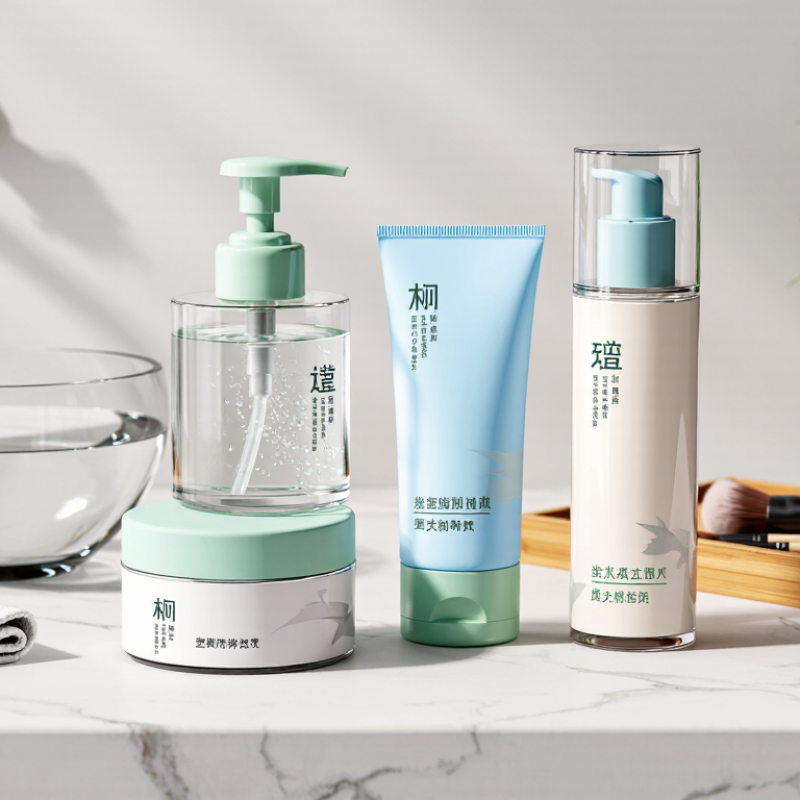
Before makeup, identify how your skin behaves—not just how it looks after cleansing. Wash gently, leave your face bare for 30 minutes, then check your cheeks and forehead. Tightness or fine flakes may suggest dryness; persistent shine can point to oiliness. If your T-zone shines while your cheeks feel tight, you may have combination skin. Sensitivity is different: note stinging, redness, or reactions to fragrance and strong exfoliants. These clues are not a medical diagnosis. The American Academy of Dermatology Association estimates acne affects up to 50 million people in the United States each year, so acne-prone skin may need lightweight, non-comedogenic formulas rather than harsher cleansing.
Tips: Match prep to the day. Use a light moisturizer on oily areas and a richer layer on dry patches. Apply broad-spectrum SPF 30 or higher in daylight, and let each layer settle before makeup. Patch-test unfamiliar products.
Your needs can change with humidity, air conditioning, seasonal dryness, and active ingredients in your routine. In a humid city, a gel moisturizer may feel more comfortable; heated indoor air can leave skin tight by afternoon. I sometimes over-focus on “skin type” labels—the same face can behave differently across seasons. If burning or persistent redness continues, pause new products and seek advice from a qualified dermatologist.
Before makeup, cleanse gently to remove overnight oil, sunscreen residue, and surface dirt. Choose a mild, fragrance-free facial cleanser suited to your skin: a creamy formula may feel more comfortable on dry skin, while a light gel can suit oilier skin. Avoid harsh scrubs and very hot water; tightness or stinging afterward can mean your cleanser is too stripping. A clean, comfortable base helps makeup apply more evenly, but cleansing cannot erase texture or guarantee longer wear.
The American Academy of Dermatology recommends washing the face twice daily and after sweating. Treat that as a practical guideline, not a reason to cleanse repeatedly: over-washing may leave skin dry or irritated. Wet your face with lukewarm water, massage cleanser gently with fingertips for about 20–30 seconds, then rinse and pat dry with a clean towel. Around the nose and hairline, rinse carefully; residue can be easy to miss. I still think “squeaky clean” sounds appealing, but it is not a reliable sign of healthy cleansing.
Tips: Cleanse before applying makeup, and wash after exercise or heavy sweating. If skin feels uncomfortable, reduce friction and reconsider the cleanser rather than adding more steps. Keep the routine simple. A patch test can help when trying a new product, especially on sensitive skin.
Before makeup, toner should support your skin, not leave a thick film. Choose a gentle, fragrance-free formula if your skin is easily irritated. After cleansing, press a small amount onto slightly damp skin with clean hands. No scrubbing needed. A toner with glycerin can help reduce that tight, dry feeling. If your face feels sticky afterward, use less next time. More layers do not always mean better preparation.
Apply targeted treatments only where they are needed. For example, a familiar acne treatment can be dabbed onto a blemish, while a soothing product may suit areas that feel dry. Avoid trying a strong new active on the morning of an important event; redness or peeling can appear unexpectedly. It is easy to overdo this step. Keep it gentle. Let each treatment absorb before applying moisturizer, and follow the product directions rather than guessing at the amount.
Give your skin a few minutes before makeup. If a treatment pills when you rub it, use a thinner layer or leave it out of that morning’s routine. Patch-test unfamiliar products on a small area first, especially if your skin is sensitive. Persistent irritation or painful breakouts deserve advice from a qualified skin professional, not repeated product experiments. A calm, comfortable base usually matters more than a complicated toner routine.
| Step | Product Type | Purpose | How to Apply | Before the Next Step | Practical Notes |
|---|---|---|---|---|---|
| 1 | Gentle cleanser | Removes overnight oil, sweat, and residue so skincare can be applied to clean skin. | Use lukewarm water and massage gently; rinse and pat dry with a clean towel. | Pat skin dry before applying toner. | Avoid harsh scrubbing, which can leave skin feeling irritated or tight. |
| 2 | Hydrating toner | Adds a light layer of hydration and can help skin feel comfortable before makeup. | Apply a small amount with clean hands or a soft cotton pad, following the product directions. | Allow the surface to settle; skin should not feel wet before layering. | Toner is optional. Choose a simple, fragrance-free formula if skin is easily irritated. |
| 3 | Targeted treatment | Addresses a specific concern, such as blemishes, uneven tone, or dryness. | Apply a thin layer only to the intended area, using the directions on the product label. | Let the treatment absorb before moisturizer; avoid applying multiple new active products at once. | Some treatments can increase irritation or sun sensitivity. Follow label directions and use daytime sun protection. |
| 4 | Moisturizer | Helps reduce moisture loss and creates a smoother-feeling base for makeup. | Spread a small, even layer over the face, adjusting the amount to skin needs. | Give it time to settle until the skin feels comfortable rather than slippery. | Lightweight textures may suit oily skin; richer textures may feel more comfortable on dry skin. |
| 5 | Broad-spectrum sunscreen (morning) | Helps protect exposed skin from ultraviolet radiation. | Apply generously as the final skincare step, following the label directions. | Allow the sunscreen to set before applying makeup; reapply as directed, especially outdoors. | Choose broad-spectrum protection with SPF 30 or higher. Makeup does not replace sunscreen. |
| 6 | Makeup primer (optional) | Can adjust the feel or finish of the makeup base and help makeup apply more evenly. | Use a small amount after skincare and sunscreen have settled. | Proceed with foundation when the primer feels set. | Skip it if skincare already provides a comfortable base or if extra layers cause pilling. |
Good makeup preparation starts with comfortable, hydrated skin, not a thick layer of products. After cleansing, pat your face until it is slightly damp, then apply a moisturizer that suits your skin. In humid Chinese summers, a light gel may feel less sticky. Dry, air-conditioned rooms can leave skin feeling tight, so a richer cream may be more comfortable. Use a small amount around the nose and mouth, and let it settle before makeup. If your skin feels slick, gently blot it instead of immediately adding powder.
Apply a broad-spectrum sunscreen of at least SPF 30 as the final skincare step. Spread it evenly over your face, ears, and neck, following the amount and directions on the product label. Give it time to set before applying makeup; rushing can cause pilling, though formulas vary. Foundation with SPF should not replace sunscreen, since most people apply too little foundation for reliable coverage. Reapply sunscreen about every two hours outdoors, and after swimming or heavy sweating.
Tips: Keep moisturizer and sunscreen as separate layers. Carry sunscreen for outdoor touch-ups. Makeup may shift a little, but sun protection matters more.
Apply moisturizer first, then use broad-spectrum sunscreen as the final skincare step before makeup.
SPF protection is not linear: higher SPF provides somewhat more UVB protection when sunscreen is applied as directed. Apply generously and reapply at least every two hours when outdoors, and after swimming or sweating.
In China, makeup-prep products are easy to find in pharmacies, supermarkets, beauty shops, and online stores. Availability varies by city and seller, so check the ingredient list, expiry date, and product seal before buying. A gentle cleanser, light moisturizer, sunscreen, and optional primer can cover most basic needs. You do not need a crowded shelf.
Start with clean, slightly damp skin. Apply a thin layer of moisturizer, especially around dry areas beside the nose or on the cheeks. In the morning, use a broad-spectrum sunscreen suited to your skin, then allow it to settle before applying makeup. A silicone-free or smoothing primer may help foundation sit more evenly, but it is optional. Keep it simple. If products pill, use less or give each layer more time to dry.
Choose textures for your skin and the day’s conditions. Humid weather may make a rich cream feel uncomfortable, while air-conditioned rooms can leave some skin feeling tight. I used to assume extra layers meant better preparation; that was not always true. Patch-test unfamiliar products, and stop using one if it causes persistent irritation. Skin can be unpredictable. A comfortable routine is usually more useful than copying someone else’s.
Wash gently, then leave your face bare for 30 minutes. Tightness or flakes may suggest dryness; lasting shine may suggest oiliness. Check both cheeks and forehead. Skin can change with the weather.
You may have combination skin. Try a light moisturizer on shiny areas and a richer layer on dry patches. Keep the layers thin. I used to apply the same amount everywhere, which did not always feel right.
Yes. Apply broad-spectrum SPF 30 or higher during daylight, then let it settle before makeup. Give it a few minutes.
Choose a gentle, fragrance-free toner if your skin is easily irritated. Press a small amount onto slightly damp skin with clean hands. No scrubbing needed. If your face feels sticky, try less.
Use familiar treatments only where needed, and follow their directions. Avoid trying a strong new active that morning; redness or peeling may appear unexpectedly. I sometimes forget how unpredictable skin can be.
A gentle cleanser, moisturizer, sunscreen, and optional primer can cover basic needs. You can find these in pharmacies, supermarkets, beauty shops, and online stores in China. You do not need a crowded shelf.
You may be applying too much or moving on too quickly. Use thinner layers and let each one settle. A primer is optional. More layers do not always help.
Check the ingredient list, expiry date, and product seal. Availability can vary by city and seller. Patch-test unfamiliar products, and stop using one if irritation persists. Skin can be unpredictable.
Preparing skin carefully can help makeup apply more smoothly and comfortably. Start by identifying your skin type and any specific needs, such as dryness, excess oil, or sensitivity. Cleanse with a gentle facial cleanser suited to your skin, then apply toner if it feels comfortable and use targeted treatments only where needed. Allow each layer to absorb before adding the next.
To understand how to prepare skin before applying makeup, focus on hydration and daytime protection. Choose a moisturizer that suits your skin and finish with broad-spectrum sunscreen when preparing for daytime wear. In China, look for makeup-prep products that are easy to find locally and appropriate for your skin type, climate, and routine. Keep the steps simple, avoid layering too many new products at once, and give your skin time to settle before applying makeup.

AJD Skincare