Choosing the right Hydrating Face Primer can feel overwhelming. The beauty industry reports that 78% of consumers struggle to find a suitable product for their skin type. Each person's skin is unique, posing challenges in selecting the best options. Experts recommend understanding skin types for better choices.
Dr. Emily Carter, a renowned skincare expert, emphasizes, "A Hydrating Face Primer should adapt to your skin's needs." Her insights reflect the importance of hydration in achieving a flawless makeup foundation. Many face primers promise hydration, but not all deliver on that promise.
Product labels often contain jargon that may confuse consumers. Ingredients can vary widely, influencing how well they perform. Testing products to find the right match is crucial. Be prepared for trial and error. Finding a suitable Hydrating Face Primer is not just about brand preference; it's about what works for you.
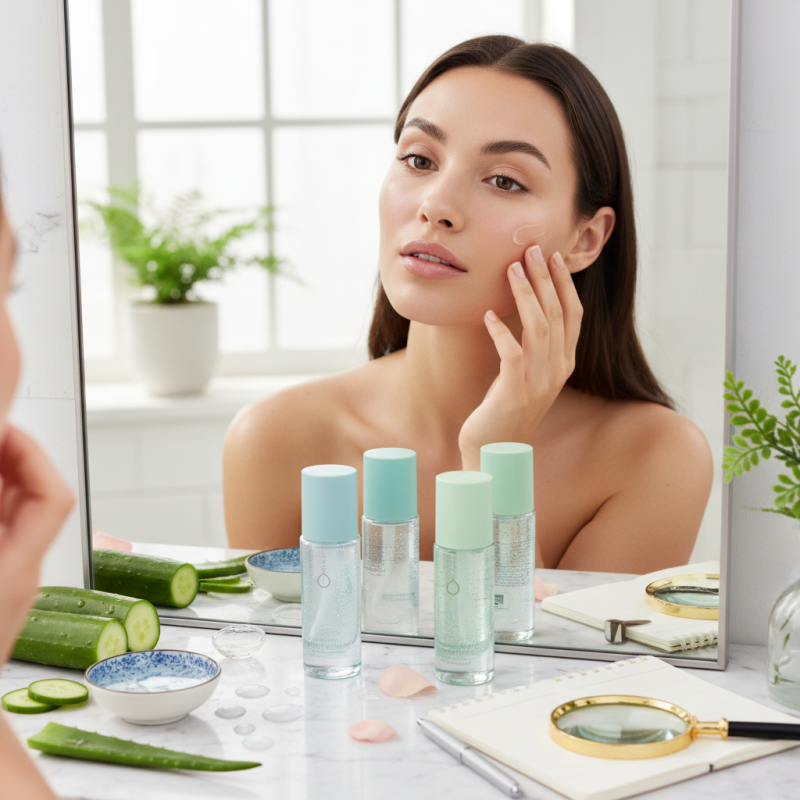
Choosing the right hydrating face primer starts with understanding your skin type. Different skin types need different ingredients for the best results. Oily skin typically benefits from lightweight, oil-free formulas. These primers help to control shine while adding hydration. Dry skin, on the other hand, craves thicker, creamier textures. Look for primers with nourishing ingredients that lock in moisture.
Combination skin can be tricky. Some areas may be oily, while others are dry. A balanced primer is essential here. It ensures hydration without excess oil. Pay attention to how your skin reacts to different products. Monitor any breakouts or dryness. Sometimes, what works for others may not suit you. Testing products is a process of trial and error.
Don’t forget sensitive skin. It requires gentle, fragrance-free formulas. Harsh ingredients can lead to irritation. Always perform a patch test before applying any new product. Reflect on your habits and environment. Factors like climate and stress can impact your skin's needs. Tailoring your primer choices to these details can make a significant difference.
This chart illustrates the relationship between different skin types and their preferred hydrating primer ingredients. Using this data can help you select the right primer tailored to your skin's unique needs.
Choosing the right hydrating face primer can be challenging. Understanding key ingredients is crucial for your skin's health. Look for hyaluronic acid. This ingredient attracts moisture. It plumps your skin, making it appear youthful. Another beneficial component is glycerin. It hydrates and creates a smooth canvas. Your makeup will look better with a good primer.
Consider plant-based oils too. They provide nourishment and add a barrier. Jojoba oil is a popular choice. It mimics your skin's natural oils. This helps balance hydration. Pay attention to formulas with aloe vera. Aloe soothes and hydrates. Yet, not all skin reacts the same way. Some people may find certain oils clogging their pores.
Don’t overlook antioxidants. Ingredients like vitamin E protect your skin. They fight free radicals and keep your complexion vibrant. However, test new products patch-wise first. What works for one person may cause irritation for another. Assess your skin’s needs and select thoughtfully.
When choosing a hydrating face primer, testing is key. Start by applying a small amount on clean skin. Observe how it feels. Is it too heavy or just right? Look for any immediate reactions. Sensitivity can be a concern for many. Don’t overlook this step.
Application can greatly influence hydration. Use your fingers for a natural feel. Alternatively, a brush can deliver a smooth finish. Make sure to blend evenly. Pay attention to dry areas; they often need extra hydration. Experimentation is important here. If certain spots seem to drink up the product, adjust your technique.
Remember to assess your skin throughout the day. Does it feel dry hours later? This can happen even with a good primer. Reflect on what works and what doesn’t. Sometimes, less is more. A small amount may provide adequate hydration without feeling heavy. Adjust based on your skin’s unique needs.
Choosing the right hydrating face primer is essential. However, pairing it with other skincare products can enhance its effectiveness. Start with your basic skincare routine: cleanser, toner, and moisturizer. Give your skin some time to absorb these products fully. This step reduces the chances of pilling when you apply the primer later.
Tip: Always use a lightweight moisturizer if you plan to layer products. Heavy creams can feel greasy under your primer. After moisturizing, wait a few moments before applying the hydrating primer. This allows the moisturizer to settle in.
Next, consider your makeup. A hydrating primer can amplify the vibrancy of your foundation. Make sure to choose a foundation compatible with your primer type. If you notice any separation, it might be your foundation reacting with the primer.
Tip: Test your primer and foundation combo before important events. A little trial helps identify any issues. Everyone has unique skin; what works for one may not work for another. Don’t hesitate to experiment and adjust your routine. Finding the right mix can take time, but it's worth it.
| Skin Type | Ideal Primer Ingredients | Recommended Skincare Pairing | Usage Tips |
|---|---|---|---|
| Dry Skin | Hyaluronic Acid, Glycerin | Moisturizing Serum, Rich Cream | Apply on damp skin for better absorption. |
| Oily Skin | Silicone-based, Mattifying Agents | Lightweight Gel, Oil-Free Moisturizer | Use a mattifying toner before application. |
| Combination Skin | Balanced Hydration (both water and oil-based) | Hydrating Lightweight Emulsion | Focus on the dry areas during application. |
| Sensitive Skin | Fragrance-Free, Algae Extracts | Gentle Moisturizers, Soothing Serums | Patch test before full use. |
When choosing a hydrating face primer, it's essential to understand various options available. These primers can transform your skincare routine. They prepare your skin by providing moisture, creating a smooth base for makeup. Look for ingredients like hyaluronic acid or glycerin, as they effectively bind water to the skin.
Popular hydrating face primers often include natural extracts. Aloe vera and green tea can soothe and rejuvenate. Some might even help reduce redness. But not all primers are suitable for every skin type. Take time to test different options on your skin. Observe if there’s any irritation or breakouts.
: Identify your skin type by observing its characteristics. Oily skin needs lightweight, oil-free primers. Dry skin prefers thicker, creamier options.
Look for lightweight, oil-free formulas. These primers help control shine while providing hydration.
Select a balanced primer that hydrates without adding excess oil. Monitor how your skin responds to different products.
Choose gentle, fragrance-free products. Harsh ingredients can irritate. Always perform a patch test before using new items.
Seek hyaluronic acid for moisture, glycerin for hydration, and aloe vera for soothing effects.
Yes, they provide nourishment. Jojoba oil mimics natural skin oils, helping maintain hydration balance.
Antioxidants like vitamin E protect against free radicals. This helps maintain a vibrant complexion.
Stop using it immediately and assess your skin's needs. Everyone reacts differently; thoughtful selection is crucial.
Climate and stress can influence your skin. Reflect on these factors when choosing primers for better results.
Yes, find what works for you. Personal skin reactions vary, making testing essential for the right choice.
Choosing the best Hydrating Face Primer begins with understanding your skin type, as different formulations cater to specific needs. It's essential to identify whether your skin is oily, dry, combination, or sensitive to select a primer that will enhance hydration effectively. Look for key ingredients like hyaluronic acid, glycerin, and botanical oils, which are known for their moisture-retaining properties.
When applying a Hydrating Face Primer, testing its compatibility with your existing skincare routine can maximize hydration benefits. Techniques such as layering with serums and moisturizers can provide an added boost, ensuring a smooth base for makeup application. Familiarizing yourself with various popular options and their unique benefits can further assist you in making an informed choice that best suits your skin’s hydration needs.

AJD Skincare