10 Essential Tips to Prepare Your Skin for Flawless Makeup?

Time:2026-06-16 Author:Liam
0%

Preparing your skin for makeup can make all the difference. As celebrity makeup artist Jenna Kristina states, "How you prepare your skin before applying makeup is the key." Her expertise highlights the importance of a proper skincare routine.

Understanding how to prepare skin before applying makeup is essential. The right products and techniques can create a flawless canvas. Regular cleansing, exfoliating, and moisturizing play crucial roles. Skipping these steps can lead to uneven application and a lackluster finish.

Consider your unique skin type. This reflection helps in choosing the right products. For instance, oily skin may benefit from matte primers, while dry skin needs hydrating formulas. Often, we underestimate the power of skin prep. Remember, beautiful makeup starts with well-cared-for skin.
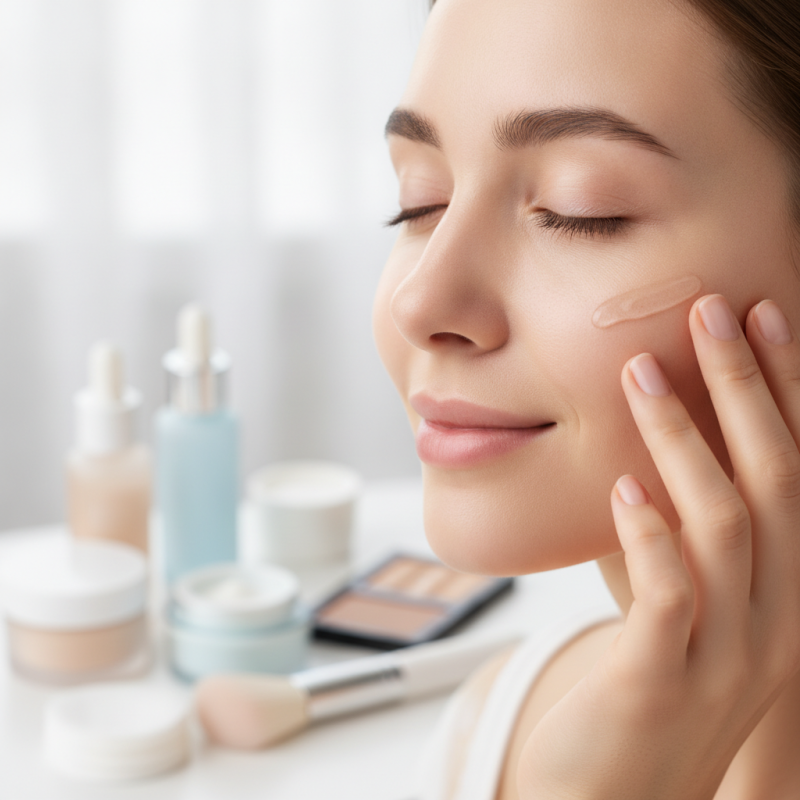
10 Essential Tips to Prepare Your Skin for Flawless Makeup?

Understanding Your Skin Type for Optimal Makeup Preparation

Understanding your skin type is crucial for achieving flawless makeup application. According to a recent survey by the American Academy of Dermatology, nearly 60% of individuals do not know their skin type. This lack of understanding often leads to makeup mishaps. For instance, those with oily skin may experience makeup breakdown, while dry skin can amplify flakiness.

Identify your skin type: normal, oily, dry, combination, or sensitive. Each type requires tailored skincare. For oily skin, lighter, oil-free products are essential. Research shows that using appropriate primers can reduce shine and increase longevity. Those with dry skin should focus on hydration. Ingredients like hyaluronic acid can plump the skin, creating a smooth canvas.

Additionally, consider the climate and your skin's changing needs. Seasons can impact oil production and moisture levels. Monitoring these changes can help you adjust your routine for optimal results. Using products not suitable for your skin type can lead to breakouts or irritation, emphasizing the importance of understanding your unique skin characteristics. It’s a journey of trial and error. Don't be disheartened by occasional setbacks; they can lead to deeper insights about your skin.

Cleansing: The First Step to Achieving a Smooth Canvas

Cleansing is the foundation of a flawless makeup application. It removes dirt, oil, and makeup residue, allowing your skin to breathe. However, many overlook this crucial step. A clean face not only enhances makeup wear but also prevents breakouts. It’s essential to choose a cleanser that suits your skin type.

Tip: Always double cleanse, especially if you wear heavy makeup. Start with an oil-based cleanser to dissolve makeup. Follow with a gentle foaming cleanser to purify the skin. This method ensures all residues are eliminated.

It's easy to skip cleansing when short on time. Yet, neglecting it can lead to dull skin. Experiment with different products to find the right fit. Sometimes, an overly drying cleanser can aggravate the skin, causing more oil production. Listen to your skin’s needs, and adjust your routine accordingly. Prioritize this step; it truly does make a difference.

10 Essential Tips to Prepare Your Skin for Flawless Makeup

Tip Description Recommended Products
Cleansing Use a gentle cleanser to remove impurities and excess oil. Gentle Foaming Cleanser
Exfoliation Exfoliate once a week to remove dead skin cells and promote cell renewal. Mild Exfoliating Scrub
Toning Apply a toner to balance skin's pH and prepare it for makeup. Hydrating Toner
Moisturizing Use a lightweight moisturizer to hydrate the skin. Lightweight Gel Moisturizer
Sun Protection Always apply sunscreen to protect skin from UV damage. Broad-Spectrum Sunscreen
Primer Use a primer to create a smooth base for your makeup. Silicone-based Primer
Hydrating Mist Mist your face for an extra boost of hydration before makeup. Hydrating Facial Mist
Makeup Setting Spray Use a setting spray to lock in your makeup for all-day wear. Long-lasting Setting Spray
Best Practices Always remove makeup before bed to allow skin to breathe. Makeup Remover Wipes
Hydration Drink plenty of water to keep skin hydrated from within. N/A

Exfoliation Techniques to Remove Dead Skin Cells

Exfoliation is vital for preparing your skin for flawless makeup. It helps remove dead skin cells, revealing smoother skin. Many people overlook this step, leading to uneven application and reduced makeup longevity. Regular exfoliation enhances skin texture and allows products to adhere better.

There are various techniques to exfoliate effectively. Gentle scrubs with natural ingredients can lift away dullness without irritation. Chemical exfoliants, like AHAs and BHAs, penetrate deeply, offering a more profound clean. Always test products on a small patch first to avoid reactions. Over-exfoliating can disrupt your skin's barrier, causing dryness.

Incorporating exfoliation into your routine is essential. Ideally, do it 1-3 times a week based on your skin type. Listen to your skin's needs. If it feels tight or irritated, scale back. Balanced exfoliation prepares your canvas, allowing your makeup to enhance your natural beauty.

Hydration: The Key to a Dewy and Fresh Look

Hydration is essential for achieving a flawless makeup look. Studies show that hydrated skin appears smoother and more radiant. The skin's outer layer, the stratum corneum, can retain moisture better when properly hydrated. This layer helps to create a barrier against external elements. Without adequate hydration, skin may flake or become oily, leading to uneven makeup application.

A clinical study revealed that 72% of participants experienced improved makeup longevity after enhancing their skin's hydration. Drinking enough water daily is crucial, but topical hydration also matters. Products containing hyaluronic acid can attract moisture, making them effective for prepping the skin. However, many overlook this step, leading to makeup settling into fine lines, which can be unflattering.

You should also recognize that skin types vary. For instance, oily skin can still benefit from hydration but should choose oil-free moisturizers. Not every product works for everyone, and it can take time to find what suits your skin. Sometimes, experimenting leads to more mistakes before finding a routine that truly enhances your makeup application.

Priming: Creating an Ideal Base for Flawless Makeup Application

Priming your skin is crucial for achieving a flawless makeup look. It creates the ideal canvas that enhances the longevity and appearance of your makeup. Start by cleansing your face to remove any dirt or oils. Next, choose a primer that suits your skin type. If you have oily skin, a mattifying primer will help control shine. For dry skin, a hydrating primer can add that needed moisture.

Applying a primer is not just about smoothing the skin. It's also about addressing specific concerns. Some people have redness or large pores. You can select a color-correcting primer to neutralize these issues. Even texture plays a role; uneven skin may require an illuminating primer to create a uniform glow.

However, applying primer can be tricky. Using too much can lead to a cakey appearance. It's important to find balance. Take your time to blend it properly. Remember, the goal is not perfection but enhancing your natural beauty. Each step supports the next. Achieving seamless makeup is a journey of understanding your skin and experimenting with different products. This will lead you to discover what truly works for you.

10 Essential Tips to Prepare Your Skin for Flawless Makeup

FAQS

: Why is cleansing important for makeup application?

: Cleansing removes dirt, oil, and makeup. It helps your skin breathe and prevents breakouts.

What is double cleansing?

Double cleansing involves using an oil-based cleanser first, followed by a gentle foaming cleanser. It ensures a thorough clean.

How often should I exfoliate?

Ideally, exfoliate 1-3 times a week. Adjust based on how your skin feels. Avoid over-exfoliating.

What happens if I skip cleansing?

Skipping cleansing can lead to dull skin and breakouts. Your makeup may not look as good without a clean canvas.

How can I hydrate my skin effectively?

Drink plenty of water and use products with hyaluronic acid. This helps attract moisture for a dewy appearance.

What if my skin feels tight after exfoliating?

Tightness indicates over-exfoliation or irritation. Scale back on exfoliating and choose gentler products.

Does hydration affect makeup longevity?

Yes, hydrated skin can lead to longer-lasting makeup. Dry skin often results in uneven application and settling in fine lines.

Can oily skin still benefit from hydration?

Absolutely. Oily skin needs hydration too. Choose lightweight, oil-free moisturizers to avoid excess oil.

Conclusion

To achieve a flawless makeup application, it is crucial to understand how to prepare skin before applying makeup. Start by identifying your skin type, as this will dictate the products and techniques that work best for you. A thorough cleansing routine is essential, forming the foundation for a smooth canvas. Following cleansing, exfoliation techniques should be employed to remove dead skin cells, ensuring an even surface for makeup.

Hydration is another key element, as a well-moisturized complexion promotes a dewy and fresh look. Lastly, applying a primer creates an ideal base, helping makeup adhere better and last longer. By following these essential steps, you can effectively prepare your skin and achieve a beautiful, flawless finish.

Liam

Liam

Liam is a dedicated marketing professional with a profound expertise in the industry, where he excels at highlighting the unique advantages of our core products. With a keen understanding of market trends and consumer needs, Liam frequently updates our company’s professional blog, providing......