In the world of skincare, the question "how often should you change your face care routine" arises frequently. As skin evolves with time, so do its needs. According to a report by Statista, approximately 70% of consumers alter their skincare products at least once a year. Dr. Sarah McNamara, a leading dermatologist, notes, "Adjusting your routine according to skin's responses is key to effective care."
Understanding your unique skin types is essential. Regularly evaluating the ingredients in your products can lead to better results. For example, using a brightening serum during winter and a lightweight moisturizer in summer might be beneficial. Yet, many people often overlook the signs of their skin. Relying on outdated products may lead to irritation or lack of effectiveness.
Reflecting on your current regimen is crucial. Experimenting with new formulations can be refreshing, yet it comes with potential pitfalls. Listening to your skin and being adaptable can facilitate a truly personalized routine. Evaluating when to switch products allows for a successful skincare journey.
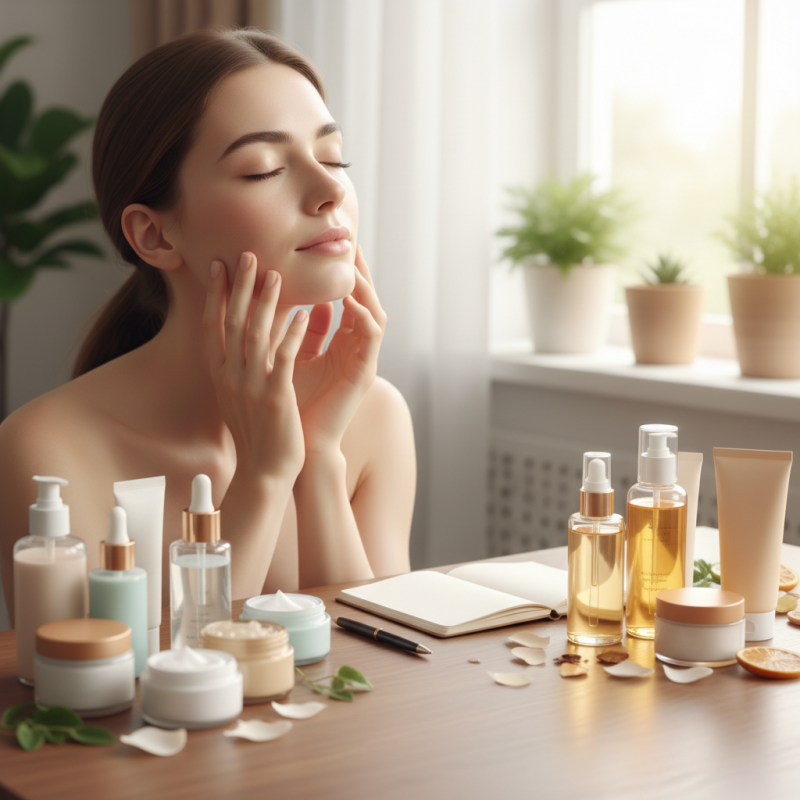
Assessing your skin type is crucial before changing your face care routine. Everyone's skin is unique. For example, oily skin may require lighter formulations, while dry skin benefits from richer creams. Understanding these differences helps in choosing suitable products.
Consider performing a simple test to identify your skin type. Wash your face with a gentle cleanser and wait for an hour. Observe how your skin feels. Is it shiny? This may indicate oiliness. Is it tight or flaky? You could have dry skin. This method is straightforward and can lead to better decisions.
Keep in mind that skin can change due to various factors. Hormones, diet, and climate play significant roles. Don’t be afraid to adjust your routine based on these changes. What worked last year may not be effective now. Regularly reevaluating your skin contributes to its overall health. It’s a cycle that requires patience and a willingness to experiment.
As we age, our skin changes and so do its needs. When you’re in your 20s, your skin may be youthful and resilient. However, transitioning into your 30s and 40s often brings dryness and signs of aging. At this stage, adjusting your face care routine becomes crucial. Incorporate hydrating ingredients, like hyaluronic acid, to combat dryness. Your routine should shift to include products that boost collagen production.
For those in their 50s and beyond, skin care must focus on nourishment and protection. Skin can become thinner and more sensitive over time. Look for richer creams and serums that address elasticity. Regular exfoliation can help remove dead skin cells, but be gentle. Listen to your skin; it can be a sign when you need to change products.
Changing your routine too often can lead to irritation. Stick to a structure, but be flexible based on how your skin feels. Seasonal changes can also affect your skin’s needs. Adjustments may be necessary with each new season. Stay aware and proactive to ensure your face care routine remains effective.
| Age Group | Skin Type | Recommended Routine Change Frequency | Product Types to Consider |
|---|---|---|---|
| Teens (13-19) | Oily/Acne-prone | Every 3-6 months | Salicylic Acid Cleanser, Lightweight Moisturizer |
| 20s (20-29) | Combination | Every 6-12 months | Hydrating Serum, SPF Moisturizer |
| 30s (30-39) | Normal | Every 1-2 years | Antioxidant Serum, Rich Moisturizer |
| 40s (40-49) | Dry | Every 1-2 years | Peptides, Hydrating Cream |
| 50s and older | Sensitive | As needed | Gentle Cleanser, Soothing Oils |
Your face care routine needs to adapt to your skin’s changing needs. Key indicators signal that it’s time to update your products. If your skin suddenly feels dry or irritated, it’s a good sign to reassess. Seasonal changes can also affect your skin. For example, colder months might require heavier moisturizers to prevent dryness.
Keep an eye out for changes in your complexion. Are you developing new breakouts? This may indicate that your current products are no longer effective. Sensitive skin might react negatively to certain ingredients. Listen to your skin; it communicates its needs clearly. A decrease in radiance or a dull appearance is another warning sign that your routine requires an update.
Regularly check the expiration dates of your products. Using expired products can lead to issues like irritation. If a product no longer feels right, don’t hesitate to switch it out. Reflect on how your skin responds after using a product. For many, it is a journey of trial and error. Stay open to experimenting while being mindful of your skin’s feedback.
The duration of skincare product use can greatly influence its effectiveness. Experts suggest a cycle of 3 to 6 months for most products. Active ingredients may lose potency over time. For instance, Vitamin C can degrade, losing its benefits. Regularly reviewing your routine helps maintain skin health.
When considering changes, assess how your skin reacts. Are you experiencing breakouts, dryness, or irritation? These signs suggest a need for a shift. Using products longer than recommended may lead to diminishing returns. Aim to evaluate your skin care regimen frequently.
**Tips:**
1. Keep a skincare journal. Track product use and skin reactions.
2. Consult with dermatologists for personalized advice.
This bar chart illustrates expert recommendations on how often different types of skincare products should be changed. Regular updates to your skincare routine can improve skin health and adapt to changing needs.
Seasonal changes have a significant impact on your face care routine. According to the American Academy of Dermatology, skin moisture levels can fluctuate with the seasons. In winter, low humidity can lead to dryness. Conversely, summer might bring excess oil and breakouts.
Adjusting your routine is crucial during these shifts. For instance, in colder months, consider incorporating more hydrating products. Products with hyaluronic acid can help retain moisture. Research from the Journal of Investigative Dermatology shows that hydration affects skin barrier health. On the flip side, lighter moisturizers may be more suitable for summer when the skin produces more oil.
It is essential not to overlook these seasonal effects. Many people stick to the same products year-round. This can lead to issues such as irritation or excess shine. Regularly assessing your skin’s needs can prevent these problems. Keep an eye on your skin’s response. Adapt accordingly, and don’t hesitate to consult a dermatologist for tailored advice.
: Knowing your skin type helps choose suitable products. Different skin types require different formulations.
Wash your face, wait an hour, and observe. Look for shininess, tightness, or flakiness.
Yes, factors like hormones, diet, and climate can change your skin. Regular reevaluation is essential.
Your skin needs shift as you age. Hydration becomes more important in your 30s and 40s.
Incorporate hydrating ingredients like hyaluronic acid and products that boost collagen production.
Changing too often can irritate skin. Stick to a structure but be flexible based on your skin's response.
Seasonal changes affect skin. Be proactive and adjust your routine to maintain effectiveness.
Dryness, irritation, or discomfort can signal the need for product changes. Listen to your skin’s signals.
When considering how often should you change your face care routine, it's crucial to first assess your skin type and individual needs. Different skin types may require adjustments in care routines more frequently, especially as age and skin conditions evolve. Generally, the frequency of changes can be influenced by age, skin concerns, and seasonal transitions, which often necessitate varying product formulations.
Key indicators suggesting it's time to update your face care products include changes in your skin's texture, increased sensitivity, or the onset of new concerns like dryness or breakouts. Experts recommend evaluating your skincare products every three to six months to ensure they remain effective. By staying attentive to these changes, you can maintain a healthy and glowing complexion that adapts to your skin's evolving needs.

AJD Skincare