When it comes to sun protection, many people wonder how often should you apply sunscreen during the day. Sunscreen shields your skin from harmful UV rays, reducing the risk of sunburn and skin cancer. However, applying it correctly is crucial for maximum effectiveness.
Experts recommend reapplying sunscreen every two hours, especially after swimming or sweating. Yet, this may not be feasible for everyone. We often forget or neglect to refresh our sunscreen. It's a common oversight that can lead to skin damage. Even on cloudy days, UV rays can penetrate, making regular application essential.
Understanding the nuances of sunscreen use is vital. Factors like skin type, activity level, and the SPF of your sunscreen can impact how often you need to reapply. Additionally, some people may not use enough sunscreen, decreasing its protective capability. Reflecting on your habits can help enhance your sun protection routine.
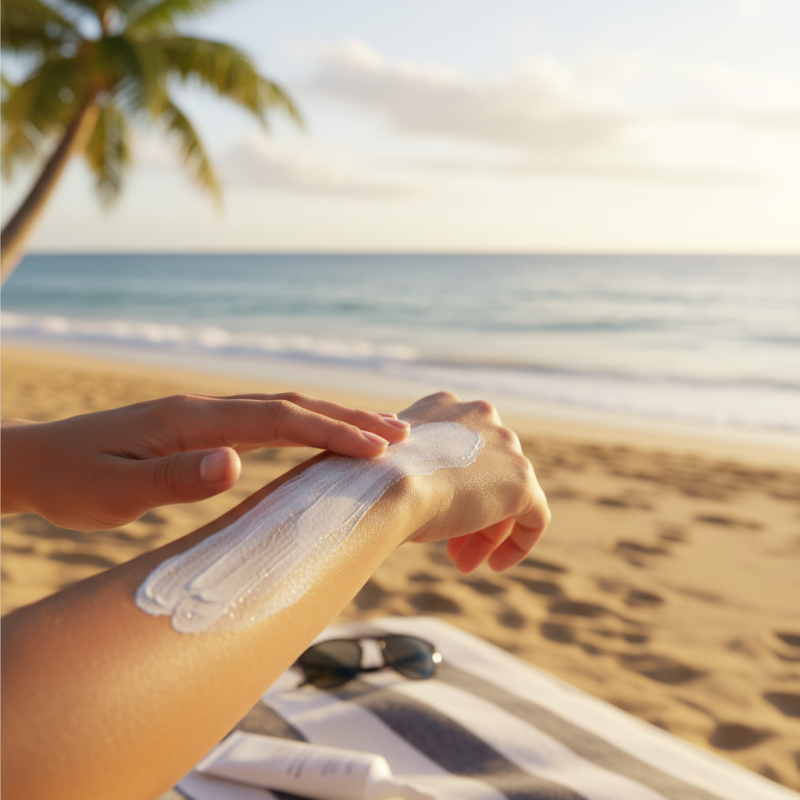
Sunscreen application is often overlooked in daily routines, yet its significance cannot be overstated. According to the Skin Cancer Foundation, one in five Americans will develop skin cancer by age 70. Regular use of sunscreen can reduce this risk. The American Academy of Dermatology recommends applying a broad-spectrum sunscreen with at least SPF 30. This protects against both UVA and UVB rays, which can cause skin damage and contribute to skin cancer.
Reapplying sunscreen is crucial. The general rule is every two hours, especially after swimming or sweating. Despite this guidance, many people forget to reapply. A study from the Journal of the American Academy of Dermatology revealed that only 14% of adults use sunscreen correctly. It’s easy to think that a single application in the morning is enough, but activities throughout the day can diminish its effectiveness.
Understanding the importance of sunscreen application also involves recognizing skin type and sun exposure. Those with fair skin should be particularly diligent. Skin cells can be damaged in just 15 minutes of unprotected sun exposure. Taking proactive steps to protect the skin is essential. Relying solely on a sunscreen that isn't reapplied may lead to regrets later in life. Implementing reminders or carrying a travel-sized sunscreen can make a difference, ensuring consistent protection.
Reapplying sunscreen is vital for healthy skin protection. However, several factors determine how often you should do it. UV exposure is one key element. If you are outdoors, you need to reapply more frequently. For example, swimming or sweating can wash away your sunscreen. In these scenarios, reapplication every two hours is crucial.
Your skin type also plays a role. People with fair skin or conditions like rosacea may require more frequent applications. On the other hand, if you're in a shady area or wearing protective clothing, you might need less sunscreen. Be mindful of your surroundings and adjust your routine accordingly.
Timing is essential too. Sunscreen should be reapplied after activities like swimming. Even water-resistant formulations can break down when soaked. Moreover, in winter, UV rays can still harm your skin. Thus, even in less sunny months, consider applying sunscreen regularly. It's a basic but essential habit for maintaining skin health. Think about your daily activities and adapt as necessary.
The frequency of reapplying sunscreen throughout the day can vary based on different factors. This chart illustrates how often individuals should consider reapplying sunscreen based on activity level, UV index, and skin type.
To maintain effective sun protection, applying sunscreen regularly is essential. Dermatologists recommend applying sunscreen every two hours when outdoors. Reapplication is crucial, especially if you swim or sweat. Even on cloudy days, UV rays can penetrate the clouds, leading to skin damage.
Tips: Plan to apply your sunscreen in the morning. Don’t forget areas like your ears and the back of your neck. Use enough product; a shot glass full is ideal for full-body coverage. If you’re unsure about the right amount, err on the side of more.
Remember, sunscreen can wear off. Factors like swimming or towel drying can reduce its effectiveness. Listen to your skin; if you feel warmth or irritation, consider reapplying sooner. Find a method that feels natural. Perhaps set a timer on your phone to remind you. Making reapplication a habit is vital for long-term skin health.
Applying sunscreen effectively throughout the day is crucial for skin protection. The American Academy of Dermatology recommends reapplying every two hours, especially during outdoor activities. If sweating or swimming, reapply immediately after towel drying. Research shows that applying sunscreen only once in the morning may leave skin vulnerable, especially during peak UV hours.
When using sunscreen, choose a broad-spectrum product with at least SPF 30. This level blocks about 97% of UVB rays. As per the Skin Cancer Foundation, the average person should use about one ounce, roughly a shot glass full, to adequately cover the body. However, many people apply less, which diminishes the protective effect. Consequently, understanding how much to use is essential for effective protection.
Despite knowing the importance, many people overlook reapplying sunscreen. In a survey, only 30% of participants reported reapplying it regularly. This habit gap can lead to increased UV exposure, resulting in skin damage. Using reminders or setting an alarm can help build this routine. Taking small steps, such as integrating sunscreen reapplication into daily plans, can significantly enhance skin health.
When considering how often to apply sunscreen, different activities and environments play a crucial role. For instance, if you’re swimming or sweating heavily, the American Academy of Dermatology recommends reapplying every two hours. Water acts as a barrier, washing away sunscreen, so a water-resistant formula may be needed. A 2021 study published in the Journal of the American Academy of Dermatology found that participants often underestimated the frequency required for effective sun protection.
In environments with high UV exposure, like beaches or snow-covered landscapes, the need for sunscreen application increases. Snow can reflect up to 80% of UV rays, making skin even more susceptible. According to the Skin Cancer Foundation, protecting your skin in such scenarios can prevent long-term damage. Even on cloudy days, up to 80% of UV rays can penetrate through. Many people forget this and may not reapply as often as they should.
Activities like hiking in wooded areas can also mislead individuals about their UV exposure. Even if you feel sheltered, UV rays can still reach your skin. The Federal Drug Administration suggests a broad-spectrum SPF of at least 30. However, many people apply SPF inconsistently or forget to cover all areas. This gap in application often leads to uneven protection and potential sunburns, which is something to reflect on.
: Sunscreen protects against skin damage and reduces skin cancer risk. Regular use is essential for skin health.
Reapply every two hours, especially after swimming or sweating. Activities can diminish its effectiveness.
Choose a broad-spectrum sunscreen with at least SPF 30. This defends against harmful UVA and UVB rays.
No, UV rays can still harm your skin, even on cloudy days. Regular application is crucial year-round.
Use about one ounce, roughly a shot glass full, to cover your body adequately. Many apply less, reducing protection.
UV exposure, skin type, and activities like swimming affect reapplication frequency. Adjust your routine based on these factors.
Set reminders or alarms. Integrate reapplication into your daily activities for better habit formation.
Many believe one application is enough. This common misconception can lead to regrets over time.
Fair skin requires more frequent applications. Understand your skin and its needs to ensure adequate protection.
Stay proactive. Use travel-sized products and remind yourself to reapply, especially during outdoor activities.
Understanding how often you should apply sunscreen during the day is crucial for effective sun protection. Sunscreen helps prevent skin damage and reduces the risk of skin cancer, but its benefits can diminish over time due to factors such as sweating, swimming, and exposure to environmental elements. Therefore, it is generally recommended to reapply sunscreen every two hours, and more frequently if you are engaging in activities that may wash it away.
To maximize sunscreen effectiveness, consider the specific environment and activities you will be participating in. For instance, if you are swimming or exercising outdoors, reapplication may be necessary more often, while indoors, the frequency can be lessened. Additionally, using broad-spectrum sunscreen with an appropriate SPF, applying a generous amount, and ensuring even coverage can enhance protection throughout the day. By following these guidelines, you can ensure your skin remains protected from harmful UV rays.

AJD Skincare