A polished beauty routine often focuses on cleansers, serums, and moisturizers. Yet the lips deserve equal attention. They have thinner skin and fewer natural protective oils than most facial areas. Board-certified dermatologist Dr. Hadley King explains, “The lips are more susceptible to dryness because they have fewer layers of skin and no sebaceous glands.” This detail helps answer the question, “why is lip care important for daily beauty routines?”
Daily lip care is not about carrying ten products. It is about consistent, gentle protection. Apply a fragrance-free balm after brushing your teeth and before leaving home. During the day, choose a lip product with broad-spectrum SPF 30 or higher. Reapply after eating, drinking, or wiping your mouth. At night, use a simple occlusive balm, especially when indoor heating leaves your lips tight and flaky.
Small habits matter.
From a practical beauty perspective, smooth lips improve the appearance of lipstick and reduce visible cracking. However, exfoliation deserves caution. Scrubbing dry lips too often can worsen irritation, even when the surface feels temporarily softer. I have sometimes mistaken that immediate smoothness for real repair. It is not always progress.
A reliable routine should feel comfortable, repeatable, and evidence-informed. Watch for persistent cracking, bleeding, swelling, or burning. Those signs may need professional evaluation rather than another cosmetic product. Lip care is modest, but neglect becomes noticeable quickly. With a few deliberate steps, it can support healthier-looking lips throughout every season.
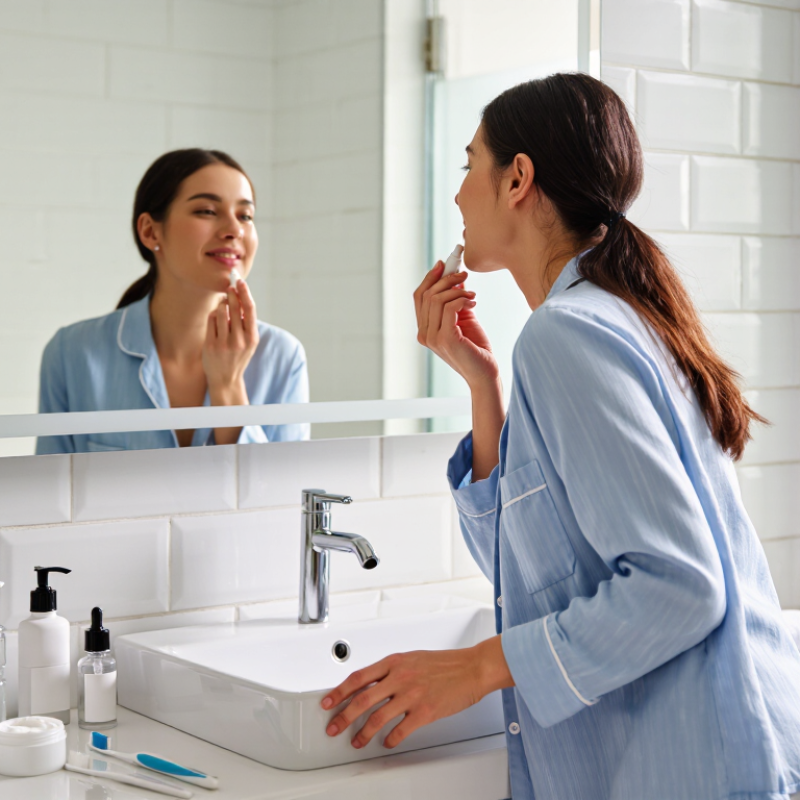
Understanding the Role of Lip Care in a Daily Beauty Routine
How to Make Lip Care Part of Your Daily Beauty Routine?
Lip care supports a balanced daily beauty routine, not just a polished appearance. The skin on the lips is thinner and has fewer protective oil glands. It can lose moisture quickly in cold air, dry rooms, or strong sunlight. A practical routine begins with a gentle, fragrance-free moisturizer after brushing your teeth. Apply a small amount, especially to the corners.
During the day, use a lip product with broad-spectrum sun protection when spending time outdoors. Sun exposure can affect the lips, even on cloudy days. Reapply after eating, drinking, or wiping your mouth. Avoid licking dry lips. It feels soothing for a moment, but evaporation may increase dryness. Dermatologists also advise avoiding harsh scrubs and irritating flavors when the lips feel sensitive.
At night, add another thin layer before sleep. I once treated peeling lips by rubbing them more often, which only made the irritation worse. That mistake reminded me that gentle care matters more than frequent correction. Drink water regularly, but do not expect hydration alone to fix persistent cracking. If bleeding, swelling, or soreness continues, seek advice from a qualified healthcare professional. A simple routine works best when it matches your environment, habits, and skin response.
Assessing Your Lips and Choosing Suitable Care Products
Healthy lip care begins with a close assessment, not a shopping habit. In daylight, check for tightness, peeling, cracks, bleeding, swelling, or persistent color changes. Notice when symptoms appear, especially after eating, brushing your teeth, or applying cosmetics. I once reapplied scented balm whenever my lips felt dry. That habit was not careful; it was guesswork.
The American Academy of Dermatology recommends protecting lips with broad-spectrum SPF 30 or higher outdoors. Choose simple formulas containing petrolatum, ceramides, or mineral oils to reduce moisture loss. Avoid products that sting, especially those containing fragrance, menthol, camphor, or strong flavoring. A stinging sensation can feel refreshing, but it may signal irritation. Read the ingredient list.
Market growth also shows how crowded this category has become. Grand View Research estimated the global lip care products market at about USD 4.29 billion in 2023, with continued growth projected through 2030. More choices do not guarantee better care. Product suitability still depends on your symptoms, climate, and habits. In cold weather, apply an occlusive layer before sleep and after washing your face. Do not peel loose skin. If cracks persist for more than two weeks, or swelling develops, seek advice from a qualified healthcare professional. I might still overapply during stressful days, but tracking triggers makes the routine more honest and useful.
Creating a Simple Morning Lip Care Routine
How to Make Lip Care Part of Your Daily Beauty Routine?
Creating a Simple Morning Lip Care Routine
I begin my morning by rinsing my lips with lukewarm water, not a rough towel. This removes overnight dryness without creating tiny cracks. I pat them dry and apply a plain, fragrance-free moisturizer. Ingredients such as petrolatum, shea butter, or ceramides can help reduce moisture loss. Keep it simple.
Before leaving home, I use a lip product with broad-spectrum SPF 30 or higher. Lips can receive significant sunlight, even during short commutes or winter walks. I cover the corners and lower lip carefully, then reapply after eating or drinking. A straw does not protect the whole lip area. I learned that through trial and error.
I avoid peeling loose skin, licking my lips, and using harsh scrubs in the morning. These habits may feel satisfying briefly, but they can worsen dryness. If a product stings, burns, or causes swelling, I stop using it and check the ingredients. Fragrance and certain flavoring agents may irritate sensitive lips. I still forget sunscreen on rushed mornings, so I keep one near my keys. Persistent cracking, bleeding, or sores deserve advice from a qualified healthcare professional.
How to Make Lip Care Part of Your Daily Beauty Routine? - Creating a Simple Morning Lip Care Routine
| Step |
Suggested Time |
Action |
Recommended Amount or Coverage |
Purpose |
Frequency |
| 1. Inspect and gently cleanse |
After waking |
Rinse the lips with lukewarm water and remove overnight residue without rubbing. |
A brief rinse; avoid hot water and rough cloths. |
Reduces surface residue while helping preserve the lips’ protective barrier. |
Daily |
| 2. Pat dry |
Immediately after cleansing |
Use a clean, soft towel and gently pat rather than wipe. |
Leave the lips clean and slightly comfortable, not aggressively scrubbed. |
Minimizes friction that can worsen dryness and peeling. |
Daily |
| 3. Apply a moisturizing lip balm |
Within 1 minute of drying |
Choose a fragrance-free balm with occlusive or barrier-supporting ingredients such as petrolatum, dimethicone, ceramides, or shea butter. |
Apply a thin, even layer across the lips and corners. |
Helps reduce moisture loss and supports the lips’ outer barrier. |
Every morning and whenever the lips feel dry |
| 4. Add daytime sun protection |
Before leaving home |
Use a broad-spectrum lip sunscreen labeled SPF 30 or higher. Apply it to the entire lip area. |
Create a complete, even film without leaving uncovered areas. |
Helps protect lips from ultraviolet exposure, including UVA and UVB rays. |
Daily when outdoors; reapply at least every 2 hours outdoors and after eating or drinking |
| 5. Avoid common irritants |
Throughout the morning |
Avoid licking, biting, peeling flakes, and using products that sting or burn. |
Stop using any product that consistently causes irritation. |
Prevents repeated irritation and the moisture loss associated with frequent lip licking. |
Every day |
| 6. Reapply as needed |
Before meals, outdoor activity, or when dryness returns |
Refresh the balm or SPF lip product after it wears away, eating, drinking, or sweating. |
Use enough to restore a smooth, continuous layer. |
Maintains hydration and keeps sun protection consistent during the day. |
As needed; more often in cold, dry, windy, or sunny conditions |
Routine note: A simple routine is usually enough: gentle cleansing, moisturization, and broad-spectrum SPF 30 or higher when exposed to daylight. Persistent cracking, bleeding, swelling, pain, or irritation should be evaluated by a qualified healthcare professional.
Maintaining Lip Health Throughout the Day
How to Make Lip Care Part of Your Daily Beauty Routine?
Maintaining Lip Health Throughout the Day
Healthy lips need repeated protection, not one rushed application. The American Academy of Dermatology recommends using a lip product with SPF 30 or higher outdoors. Reapply after eating, drinking, or sweating. Broad-spectrum protection helps reduce sun-related dryness and long-term damage. A 2024 Grand View Research report estimates that the global lip care products market will continue growing through 2030. This growth reflects stronger interest in daily protection, not only cosmetic shine.
Keep a simple product near your mirror, desk, and bag. In the morning, apply a fragrance-free balm before makeup. During the day, drink water and avoid licking your lips. Saliva evaporates quickly and may increase dryness. Reapply every few hours, especially in cold, windy, or dry weather. Choose ingredients such as petrolatum, shea butter, or ceramides. Avoid products that sting, since tingling can signal irritation rather than effectiveness.
At night, remove lipstick gently and apply a thicker layer of moisturizer. Do not scrub flaky skin aggressively. I still forget this step on busy mornings. That habit needs correction. If cracking continues, or swelling and pain appear, seek advice from a qualified dermatologist. The AAD also advises stopping products that cause burning, stinging, or irritation. Personal experience matters, but persistent symptoms deserve professional evaluation.
Adding Evening Care and Weekly Lip Maintenance
Evening lip care works best when it feels simple and repeatable. After brushing your teeth, rinse away toothpaste and pat your lips dry. Apply a plain, fragrance-free balm while the skin is slightly damp. This helps reduce overnight moisture loss. Keep the layer thin but even, including the corners of your mouth. I sometimes forget this step when tired, so placing the balm beside my toothbrush makes it easier to remember.
Tips:
Avoid licking your lips before bed. Saliva evaporates quickly and can leave them drier. Once a week, inspect your lips in natural light. If they feel smooth, skip exfoliation. If small flakes appear, soften them with a warm, damp cloth for a few seconds. Do not scrub hard, especially when the skin feels sore or cracked. A gentle protective balm is usually more useful than aggressive polishing. I used to over-exfoliate, thinking smoother meant healthier. It only made irritation worse.
Weekly maintenance can also include cleaning the lip-care container and checking its texture, smell, and expiry information. Replace it if the product changes noticeably. During the day, use sun protection designed for lips when outdoors, because repeated exposure can cause dryness and irritation. Persistent cracking, bleeding, swelling, or burning deserves professional medical advice. These signs may not be ordinary dryness.
Conclusion
Lip care is an essential part of a balanced daily beauty routine because healthy lips improve comfort, appearance, and the way other beauty products look and feel. Understanding why is lip care important for daily beauty routines helps you recognize that lips need regular protection from dryness, weather changes, dehydration, and daily exposure. Begin by assessing whether your lips are dry, sensitive, flaky, or easily irritated, then choose gentle moisturizing and protective products that suit their needs.
A simple morning routine can include cleansing gently, applying a hydrating lip product, and using protection when spending time outdoors. Throughout the day, reapply moisture as needed, drink enough water, and avoid habits such as licking or picking your lips. In the evening, remove any lip products carefully and apply a richer nourishing layer to support overnight comfort. Once a week, you may gently smooth away loose flakes without over-exfoliating, helping maintain soft, healthy-looking lips.

 AJD Skincare