Protecting your lips in every season is crucial for maintaining healthy skin. Dr. Emily Carter, a renowned dermatologist, emphasizes the importance of this care. She once stated, "Lips need different protection as the seasons change." This underscores the necessity of adapting our lip care routines throughout the year.
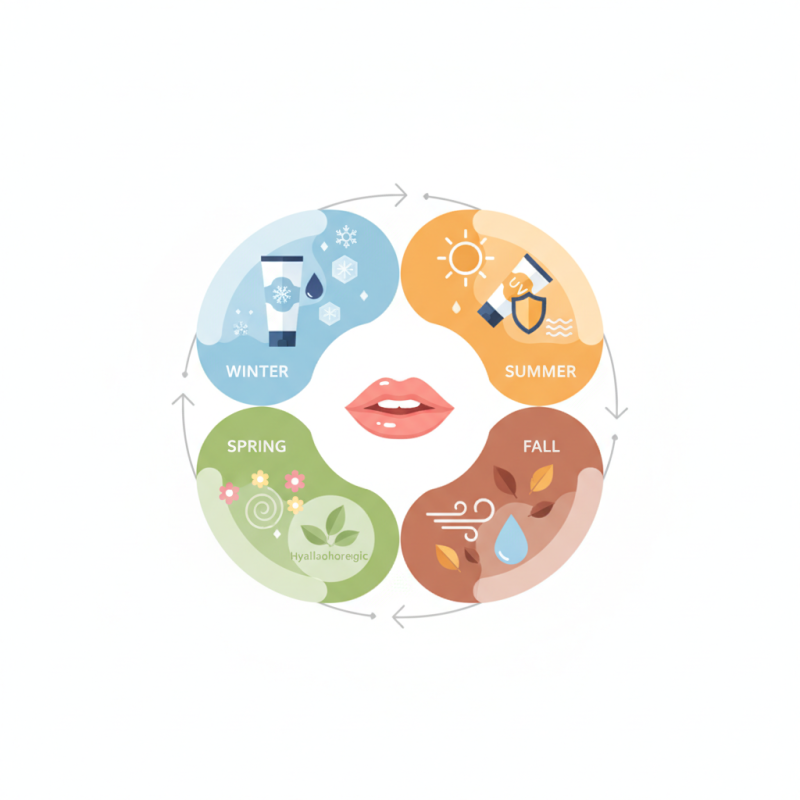
In winter, lips often face dryness and chapping due to cold air and indoor heating. Using a thick, moisturizing balm with natural oils can help combat these harsh conditions. During hot summer months, UV rays can be damaging. An SPF lip product is essential to shield your lips from sunburn.
Spring and fall present their own challenges. Allergens are prevalent in spring, potentially causing irritation. A gentle, hypoallergenic lip treatment can minimize discomfort. Fall can bring brisk winds, making lip hydration important once again. Knowing how to protect lips in different seasons means being prepared. Effective strategies evolve as the weather does, ensuring your lips remain soft and healthy year-round.
Understanding the Importance of Lip Care Throughout the Year
Caring for your lips is crucial throughout the year. Seasonal changes can greatly affect lip health. During winter, the dry air can cause chapping and discomfort. In contrast, summer heat can lead to sunburn or excessive moisture loss. Understanding these differences is key to effective lip care.
Regular exfoliation is important. It removes dead skin and promotes freshness. You can use a gentle lip scrub or a homemade mixture of sugar and honey. Always follow with a nourishing lip balm. The right products create a barrier that seals in moisture. Hydration is another essential aspect. Drink plenty of water to keep your body and lips hydrated, especially in hot weather.
Regardless of the season, daily maintenance is vital. Many people neglect lip care until discomfort arises. A consistent routine prevents potential issues. Moreover, consider your environment. If you are frequently outdoors, the need for protection increases. Reflect on your habits. Are you prioritizing your lips as you do for your skin? Being aware can improve your overall lip care strategy.
Common Lip Problems Associated with Different Seasons
Seasonal changes can significantly impact lip health. According to a study published in the Journal of Dermatology, nearly 60% of individuals experience lip dryness or chapping during winter months. Cold air and low humidity strip moisture away from lips, leading to cracks and discomfort. Regularly using a protective balm is critical during this time. Experts recommend formulas containing beeswax and shea butter, which create a barrier against the harsh elements.
In the warmer months, sun exposure becomes a primary concern. Research from the American Academy of Dermatology indicates that lip skin is thinner and more vulnerable to UV rays. Sunscreen specifically designed for lips is essential to prevent sunburn and long-term damage. Hydration is key as well; drinking enough water helps maintain lip moisture balance.
Fall and spring present their own challenges. Allergens in the air can trigger irritation and allergic reactions. A study by the American Allergy Association found that up to 30% of people report sensitivity in these seasons. Identifying triggers and avoiding them, alongside using hypoallergenic products, can mitigate problems. This overlapping of various environmental factors makes lip care deeply complex, requiring ongoing adjustments to one's routine.
How to Protect Your Lips in Every Season? - Common Lip Problems Associated with Different Seasons
| Season |
Common Problems |
Protection Tips |
| Spring |
Chapped Lips due to pollen and allergies |
Use a soothing lip balm with SPF and keep lips moisturized. |
| Summer |
Sunburn and dryness |
Apply lip balm with high SPF and drink plenty of water. |
| Autumn |
Cracked and flaky lips |
Use a hydrating lip mask and avoid licking lips. |
| Winter |
Severe dryness and irritation |
Use thick ointments and avoid exposure to cold winds. |
Key Ingredients for Effective Lip Protection in All Climates
Lips require special care throughout the year. Each season brings unique challenges. Understanding key ingredients for lip protection can make a difference in maintaining healthy lips.
In the winter, look for products containing shea butter and beeswax. These ingredients create a thick barrier against the cold, preventing moisture loss. They lock in hydration effectively. During summer months, opt for lip balms with SPF. This protects against harmful UV rays. Aloe vera and coconut oil are also beneficial for hydration and soothing. Both keep your lips supple.
Consider the effects of climate on your lips. Dry, hot air can lead to chapped lips. Humidity can result in excessive moisture, too. Regular application of lip care aligns with weather changes. Reflect on your routine. Are you adapting to different conditions? Acknowledging the need for varied protection is crucial for lip health.
Season-Specific Lip Care Routines: Tips and Best Practices
Lips can be easily neglected, yet they need special attention throughout the year. Each season brings unique challenges. Winter’s dry air can lead to chapped lips, while summer’s heat may cause sunburn. Recognizing these differences is key to protecting your lips.
For winter, hydration is crucial. Apply a thick lip balm that seals in moisture. Look for ingredients like shea butter or beeswax. Drink plenty of water to stay hydrated from the inside. Exfoliating with a gentle scrub once a week can remove dead skin.
In spring, as temperatures rise, switch to lighter formulas. A tinted lip balm with SPF can add color while protecting from UV rays. This time is great for trying out citrus-flavored balms. They can be refreshing and uplifting. Moisturize your lips twice daily, especially after eating.
Summer demands vigilant protection. Apply lip products before spending time outdoors. Choose a balm with higher sun protection. Even a hint of sun can damage delicate lips. Reapply every two hours if exposed to sunlight. Consider carrying a small tube in your bag.
As autumn approaches, prepare for colder winds. Return to thicker balms to combat fluctuations in temperature. Remember, your lips tell a story about your skin’s health. Look after them diligently, and they will thank you.
The Role of Hydration in Maintaining Healthy Lips Year-Round
Proper hydration is vital for maintaining healthy lips throughout the year. Many people overlook this simple fact. Dehydration can lead to chapped, cracked lips. This can occur in any season, but it's especially common in winter and summer. The harsh cold and hot sun are both culprits. Regularly drinking water helps, but it is not enough alone.
Topical moisturizers are essential. Natural oils or balms can provide an extra layer of protection. These products keep moisture locked in. However, not everyone remembers to reapply. A busy lifestyle often leads to neglecting lip care. This can result in painful cracks or sores. Pay more attention to your lips.
Diet also plays a crucial role. Foods rich in vitamins help support lip health. Omega-3 fatty acids, for example, nourish the skin from within. Yet, many people focus only on trendy diets. This may overlook crucial nutrients. Reflect on your eating habits and consider their impact on your lips. Prioritizing hydration in various forms is key to maintaining lip health in every season.
Conclusion
In "How to Protect Your Lips in Every Season," the article emphasizes the importance of maintaining lip care throughout the year. It explores common lip problems associated with different seasons, such as dryness in winter and sunburn in summer, highlighting the need for tailored protection methods.
To address these seasonal challenges, the article provides insights on key ingredients that offer effective lip protection, regardless of climate. Additionally, it outlines specific routines and best practices for lip care that vary from season to season. A crucial aspect discussed is the role of hydration in keeping lips healthy year-round, serving as a reminder of how to protect lips in different seasons effectively. Through understanding and implementing these strategies, readers can ensure their lips remain soft and healthy no matter the weather.

 AJD Skincare