Top 10 Reasons Why Makeup Does Not Stay On Skin?

Time:2026-06-19 Author:Amelia
0%

Makeup can enhance our beauty and boost confidence. Yet, many struggle with one question: why does makeup not stay on the skin? This issue affects numerous individuals daily. The frustrations of reapplying makeup can take a toll.

Several factors contribute to this challenge. Skin type plays a significant role in how makeup adheres. Oily skin may cause products to slide off. Dry skin can absorb moisture, leading to patchiness. Additionally, environmental conditions like humidity can affect makeup longevity.

Understanding these elements is crucial. It’s not just about the products used; application techniques matter too. Choosing the right primer, setting spray, or powder can make a difference. Reflecting on personal experiences with makeup can provide insights into what works best.
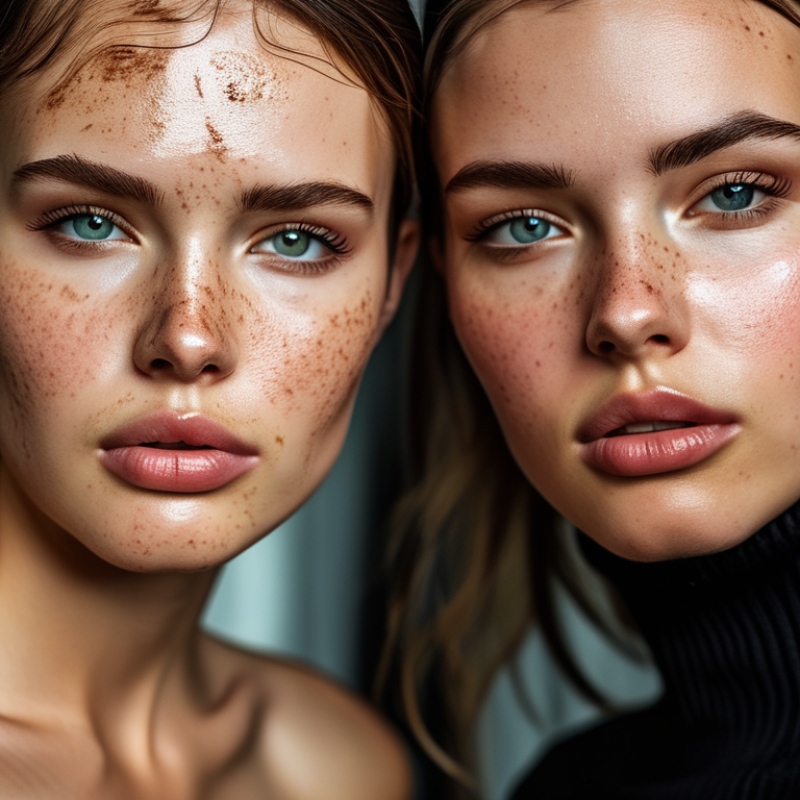
Top 10 Reasons Why Makeup Does Not Stay On Skin?

Factors Affecting Makeup Longevity on Skin

Makeup longevity is influenced by several key factors. Skin type plays a crucial role. Oily skin may cause makeup to break down faster. Dry skin can lead to flakiness, making products appear uneven. A proper understanding of your skin type can significantly enhance how makeup adheres.

Environmental conditions also matter. Humidity can make makeup slide off. On the other hand, dry air can absorb moisture, drying out your products. Additionally, skin care routines affect makeup performance. Heavy creams or oils may create a barrier, preventing makeup from sticking.

Even makeup application techniques can impact durability. Using too much product can lead to cakiness, while too little may not provide coverage. It’s essential to find a balance. A flawed approach to makeup can result in an unpolished look, leading to constant touch-ups throughout the day. Understanding these nuances is vital for achieving that lasting finish.

Common Skin Types and Their Impact on Makeup Adherence

Different skin types significantly affect how makeup adheres. Oily skin often causes makeup to slide off. Excess oil can break down foundation and create an uneven look. Many with oily skin notice a shiny appearance after a few hours. This can lead to the need for frequent touch-ups.

On the other hand, dry skin can cause makeup to cling unevenly. Flaky patches may disrupt the smooth finish many seek. Moisturizing beforehand is essential, yet it may not always yield perfect results. Some products can emphasize these dry areas, leading to dissatisfaction. Many people fail to realize their skin type's role in makeup performance.

Combination skin presents its own challenges. Oily areas can react with makeup differently than dry patches. The result may be a mixed appearance that lacks uniformity. Understanding your skin type should influence product choices. However, even with the right products, the outcome may not always match expectations. Experimentation and self-awareness are vital for achieving ideal makeup application.

The Role of Skin Preparation in Makeup Application

Proper skin preparation can significantly enhance the longevity of your makeup. Many overlook this essential step. A clean, hydrated canvas allows makeup to adhere better. Start by cleansing your skin thoroughly. Remove dirt and oils that can interfere with application. Exfoliation can remove dead skin cells, giving a smoother finish.

Moisturizing may seem trivial. However, it influences how makeup behaves throughout the day. Use a lightweight, non-greasy moisturizer suitable for your skin type. Pay attention to dry patches. They can make foundation cling unevenly. For oily skin, consider oil-free options. This helps balance hydration without extra shine.

Tips: Always apply a primer before foundation. A good primer fills in pores and creates an even surface. It acts as a barrier, locking in moisture. Don't rush this step; let it sit briefly. Test different products to find what works for you. Remember to keep your skin nourished. Hydrated skin looks healthier, and makeup sits beautifully on it.

Top 10 Reasons Why Makeup Does Not Stay On Skin

Environmental Influences that Cause Makeup to Fade

When it comes to makeup, environmental factors play a significant role in how long it lasts. Humidity levels can quickly break down foundation. Sweat invites shine, diminishing the perfect matte look. Wind can carry dust and dirt, causing makeup to smudge. Pollution is another concern, as it clings to your skin and interferes with your products.

To combat these issues, consider using setting sprays. These create a barrier that helps keep makeup intact. Opt for products with higher durability ratings. Waterproof formulations can also withstand sweat and humidity. Always apply a primer first. It creates a smoother surface for makeup to adhere to and can enhance longevity.

It's important to acknowledge that even with precautions, makeup may not always stay put. Different skin types react uniquely to products. Oily skin may require more frequent touch-ups. Dry skin can cause makeup to cling to dry patches. These imperfections can serve as reminders to find the ideal routine for your skin's needs. Experimenting with techniques and products will lead to better results.

Choosing the Right Products for Long-Lasting Makeup Wear

When it comes to long-lasting makeup wear, choosing the right products is crucial. A report by the American Academy of Dermatology states that skin type plays a significant role in how makeup adheres. For instance, oily skin may repel certain formulations, causing them to slide off. Selecting products that cater to your specific skin type can improve makeup longevity.

Opt for oil-free foundations if you have oily skin. These formulations provide a matte finish and reduce shine. For dry skin, hydrating products are essential. They prevent flakiness and promote a smooth application. Look for ingredients like hyaluronic acid or glycerin. Using these tips can change your makeup game.

Another factor to consider is setting sprays and powders. According to a study by the International Journal of Cosmetic Science, 78% of makeup users reported longer wear when utilizing these products. A translucent powder can help lock in foundation, while a good setting spray can create a barrier against sweat and humidity. Remember, even the best products won't adhere perfectly if the skin isn’t prepped properly. Always cleanse and moisturize before applying makeup.

FAQS

: How does skin type affect makeup application?

: Oily skin often causes makeup to slide off, while dry skin may lead to uneven application.

What issues do combination skin types face?

Combination skin shows different reactions in oily and dry areas, leading to a mixed appearance.

Why is moisturizing important for dry skin?

Moisturizing helps, but it may not always yield perfect results, as some products can emphasize dryness.

What environmental factors affect makeup longevity?

Humidity, sweat, wind, and pollution can lead to makeup fading or smudging.

How can I protect my makeup from environmental influences?

Using setting sprays and waterproof products can help maintain makeup stability against sweat and humidity.

Why should I use a primer?

A primer creates a smoother surface, improves adherence, and enhances makeup longevity.

Can makeup always stay put during the day?

No, makeup may not always last. Different skin types and environmental factors play a role.

What can I do if my makeup isn’t adhering well?

Experiment with products and techniques tailored to your skin type for better results and satisfaction.

How often should I touch up my makeup?

Those with oily skin may need more frequent touch-ups due to shine and makeup sliding.

What should I remember about makeup imperfections?

Imperfections can remind you to continuously adjust your routine and discover what works best for your skin.

Conclusion

In exploring the question of "why does makeup not stay on the skin," several critical factors come into play that can affect the longevity of makeup. Skin type is a significant determinant, as oily, dry, or combination skin each react differently to makeup products. Additionally, the preparation of the skin before application—such as cleansing, moisturizing, and priming—can greatly influence how well makeup adheres throughout the day.

Environmental elements, including humidity and temperature, also impact the wear of makeup, leading to fading or malfunctioning of products. Finally, selecting the right makeup products that are formulated for durability can prevent common issues of makeup deterioration. Understanding these elements can help individuals enhance the staying power of their makeup, ensuring a flawless look that lasts.

Amelia

Amelia

Amelia is a seasoned marketing professional with a wealth of expertise in our company’s core offerings. With an unwavering passion for driving growth and innovation, she plays a pivotal role in shaping our marketing strategies and enhancing brand visibility. A key aspect of her responsibilities......