In 2026, the relationship between skincare and makeup results is more crucial than ever. Research shows that skin texture and moisture levels significantly influence how makeup appears and lasts throughout the day. A report from the Skin Health Foundation indicates that 80% of women believe their skincare routine directly impacts their makeup application. This underlines the importance of proper skincare for achieving optimal makeup results.
Renowned dermatologist Dr. Emily T. Kline states, “Skincare is the canvas for makeup; if your skin is not healthy, your makeup will not perform well.” This highlights the necessity of prioritizing skincare before applying makeup. Issues like dryness or uneven tone can lead to a patchy finish or makeup settling into fine lines, leaving one to ponder why does skincare affect makeup results.
As the industry evolves, the integration of skincare benefits into makeup products has surged. Many brands now offer hybrid products that nourish the skin while providing coverage. This shift reflects a growing understanding of how interconnected these two sectors are. However, consumers still face challenges in discerning the best products for their unique skin needs, prompting ongoing reflection and education in this area.
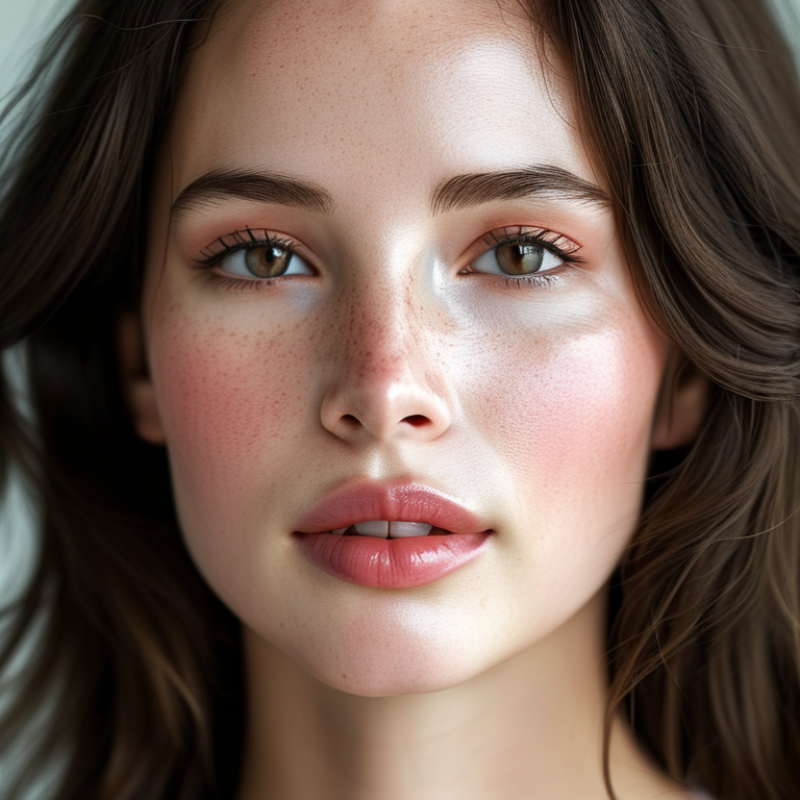
Skincare plays a vital role in makeup longevity, especially in 2026. As beauty enthusiasts become more educated, the importance of nourishing the skin is clear. Ingredients like hyaluronic acid enhance hydration, creating a smoother canvas for makeup. Topical retinoids, known for their anti-aging properties, help refine skin texture. This results in makeup that adheres better and lasts longer.
However, not all skincare ingredients work perfectly for everyone. Some individuals experience irritation from strong actives. A patch test is essential before trying new products. Additionally, layering too many products can lead to pilling, sabotaging makeup application. Knowing your skin type and its needs is crucial. Researching how different ingredients interact with each other can make a significant difference.
The trend of minimalism in skincare also influences makeup outcomes. Less can be more, allowing the skin's natural beauty to shine through. A well-chosen moisturizer or serum can improve overall makeup wear. Use lightweight formulas to avoid a heavy feel. Understanding this balance is key, as skincare will always impact the final makeup look. It's a journey of trial and error, but the rewards are worthwhile.
: Skincare ingredients enhance makeup longevity by providing hydration and improving skin texture.
Well-hydrated skin creates a smoother canvas, allowing makeup to adhere better and last longer.
Yes, some strong ingredients can irritate sensitive skin. Patch testing is recommended.
Layering too many products can lead to pilling, which negatively affects makeup application.
Minimal skincare can help your skin’s natural beauty shine and improve overall makeup wear.
A structured routine involving hydration and regular exfoliation prepares the skin for makeup better.
Apply products from thinnest to thickest for optimal absorption and effectiveness.
Sunscreen protects the skin and can affect how makeup wears throughout the day.
Yes, consider using fragrance-free products to minimize the risk of irritation for sensitive skin.
Testing different products may take time, but it’s essential for discovering what works best for you.
The article "How Does Skincare Influence Your Makeup Results in 2026?" delves into the essential role that skincare plays in achieving optimal makeup application and longevity. It highlights why skincare affects makeup results by discussing the impact of various skincare ingredients on the durability of makeup products. Furthermore, the piece emphasizes the importance of maintaining a balanced pH level to enhance both application and wear, ensuring a seamless finish.
Hydration levels are also examined, showcasing how they significantly influence foundation blending and overall appearance. With trends shifting towards skincare-infused makeup, the article offers insights into consumer preferences, reflecting a growing interest in products that integrate skincare benefits. Lastly, professional recommendations on skincare regimens underscore the need for proper preparation to achieve a flawless makeup look, solidifying the connection between effective skincare practices and successful makeup application in 2026.

 AJD Skincare