As individuals advance in age, their skincare needs evolve significantly. This change is rooted in various physiological factors that influence skin characteristics. According to the American Academy of Dermatology, skin loses collagen and elasticity over time, leading to dryness and increased visibility of fine lines.
Dr. Ava Shamban, a noted dermatologist, emphasizes, "Our skin tells the story of our lives." This statement highlights not only how our skincare routines must adapt but also how they reflect our unique aging experiences. For instance, while younger skin may thrive on lightweight products, mature skin may require richer moisturizers to combat alterations in hydration levels.
Current market research indicates that 63% of women aged 45 and older reported changes in their skin's texture and tone. As our bodies age, our skin demands more than just basic care; it needs targeted ingredients that address specific concerns associated with aging. Understanding why skincare needs change with age is crucial for developing effective routines that support skin health.
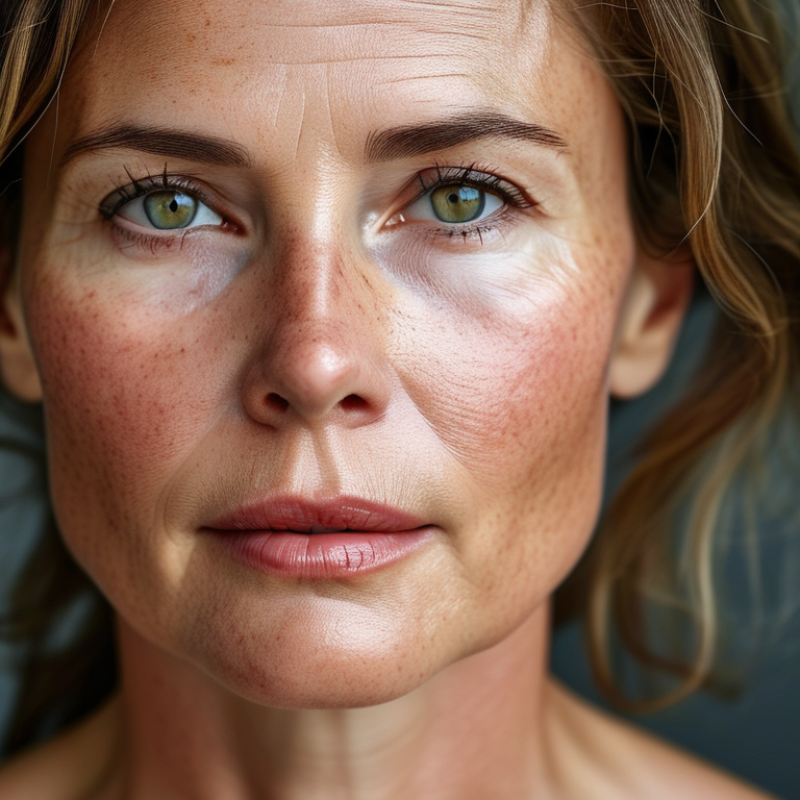
Understanding the Biological Changes in Skin as We Age
As we age, our skin undergoes significant biological changes that affect its appearance and health. One main factor is the decrease in collagen and elastin production. This reduction leads to wrinkles and sagging skin. Additionally, skin tends to become drier due to a decline in oil production. This combination of factors makes it crucial to update our skincare routine.
Tips: Hydration is key. Opt for a moisturizer that contains hyaluronic acid. It helps retain moisture and keeps the skin plump. Regular exfoliation is also important. Gentle exfoliants can promote cell turnover, revealing fresher skin underneath.
Another change is the slowing of skin cell turnover. This means your skin may look duller over time. Environmental factors, such as sun exposure and pollution, can further exacerbate these issues. It’s vital to incorporate antioxidants, like vitamin C, to combat these external aggressors.
Tips: Sunscreen is essential, even on cloudy days. Shielding your skin from UV rays can prevent premature aging. Consider adding retinoids to your night routine. They can stimulate collagen production and improve skin texture. A knowledgeable dermatologist can help tailor your skincare approach as your skin evolves.
Key Factors Influencing Skincare Needs Over Time
As we age, our skin undergoes several changes that can significantly influence our skincare needs. One critical factor is hydration. Our skin produces less natural oil over time, leading to dryness. This makes it essential to incorporate moisturizing products into your routine. Look for ingredients like hyaluronic acid and glycerin, which can attract moisture.
Another factor is collagen loss. As we age, skin becomes less elastic. This can lead to sagging and wrinkles. To combat this, consider using products with retinol or peptides. They may help stimulate collagen production. Regular exfoliation is also beneficial. It can enhance skin texture and encourage cell renewal.
Tips: Adjust your routine based on seasonal changes. In winter, thicker creams may be necessary. Stay hydrated by drinking water too. Don't forget to protect your skin from UV rays, as sun damage accelerates aging. Always reassess your skincare needs as you experience new changes in your skin. Embrace the journey and learn what works for you at every age.
Why Do Skincare Needs Change as We Age?
Common Skin Concerns at Different Life Stages
As we age, our skin undergoes significant changes that require different care. In our twenties, skin concerns typically include oiliness and acne. According to the American Academy of Dermatology, around 50% of adults aged 20-29 experience acne. Maintaining a consistent routine with gentle cleansers and non-comedogenic products can help.
In our thirties and forties, signs of aging start to appear. Fine lines and loss of elasticity become more noticeable. A study by the International Journal of Cosmetic Science reveals that the skin's collagen production decreases by 1% annually after our twenties. This decline may lead to dryness and uneven skin tone. Hydrating serums and antioxidants can play key roles in combating these issues.
By the time we reach our fifties and beyond, skin can become thinner and more sensitive. The skin's barrier function diminishes, leading to increased dryness and irritation. Research indicates that nearly 60% of women over 50 report having sensitive skin. Emphasizing gentle, nourishing care and sun protection becomes crucial at this stage. Reflecting on these changing needs helps us better understand how our lifestyle impacts skin health.
Adapting Skincare Routines for Mature Skin Types
As we age, our skin undergoes significant changes. The natural decline in collagen production leads to loss of elasticity. This results in more pronounced wrinkles and sagging. Mature skin also tends to be drier, requiring a different approach in skincare routines. Understanding these changes will help in crafting a more suitable regimen.
Hydration is essential for mature skin. Consider using heavier moisturizers that contain hyaluronic acid. This ingredient attracts moisture, giving the skin a plump appearance. Additionally, incorporating serums rich in antioxidants can combat oxidative stress, which accelerates aging.
Don’t forget sun protection. Mature skin remains vulnerable to damage from UV rays. A broad-spectrum sunscreen is vital. Remember, skincare is not a one-size-fits-all solution. Sometimes, experimenting with different products is necessary to find what works. Pay attention to how your skin responds over time; patience is key as you adapt your routine to meet its evolving needs.
The Role of Nutrition and Lifestyle in Skincare Adjustments
As we age, our skincare needs evolve due to various factors, including nutrition and lifestyle. Nutrition plays a pivotal role in skin health. Consuming a balanced diet rich in antioxidants, vitamins, and healthy fats can significantly improve skin elasticity and hydration. Foods like leafy greens, nuts, and berries provide essential nutrients. However, many people struggle to maintain a consistently healthy diet. Fast food and sugary snacks often take precedence, leading to visible skin issues.
Lifestyle choices are equally important. Regular exercise can enhance blood circulation, delivering vital nutrients to the skin. Hydration is key, yet many neglect their water intake. Stress management is another crucial aspect. High-stress levels can lead to breakouts and premature aging. Mindfulness practices, like yoga and meditation, can help. Still, these may require time and effort that some find difficult to commit to.
It’s important to acknowledge that not all changes will yield immediate or perfect results. Adjusting one’s skincare routine based on lifestyle shifts can be challenging and may not always meet expectations. Each individual’s journey is unique. Being patient and experimenting with different approaches can lead to better outcomes. Embracing this process is vital in understanding your skin's evolving needs.
Why Do Skincare Needs Change as We Age? - The Role of Nutrition and Lifestyle in Skincare Adjustments
| Age Group |
Common Skin Concerns |
Nutritional Needs |
Lifestyle Adjustments |
| 20-30 years |
Acne, Oily Skin |
High Antioxidants (Vitamin C, E) |
Regular Cleansing, Sunscreen Use |
| 30-40 years |
Dryness, Fine Lines |
Healthy Fats (Omega-3), Hydration |
Moisturizing, Anti-Aging Products |
| 40-50 years |
Wrinkles, Age Spots |
Collagen Boosters (Vitamin C, Protein) |
Sun Protection, Retinoids |
| 50+ years |
Sagging Skin, Dullness |
Adequate Hydration, Antioxidants |
Gentle Products, Regular Exfoliation |
FAQS
: The decrease in collagen and elastin production leads to wrinkles and sagging.
Use moisturizers with hyaluronic acid to help retain moisture and plump the skin.
This occurs due to slowed skin cell turnover and environmental factors affecting skin health.
Antioxidants, like vitamin C, combat environmental damage and can improve skin appearance.
Sunscreen protects against UV rays, preventing further skin damage and premature aging.
Incorporate heavier moisturizers and serums rich in antioxidants for better hydration and elasticity.
A balanced diet rich in antioxidants, vitamins, and healthy fats improves elasticity and hydration.
Regular exercise, hydration, and stress management can enhance skin health and appearance.
Yes, patience is key as results may vary, and finding what works for you can take time.
No, not all changes will yield quick results; it’s important to reflect on your journey.
Conclusion
As we navigate through different stages of life, understanding "why do skincare needs change with age" becomes essential. The biological changes in our skin, including decreased collagen production and altered moisture balance, necessitate adjustments in our skincare routines. Key factors such as hormonal shifts, environmental exposure, and lifestyle choices further influence how our skin behaves over time.
Common skin concerns vary across life stages, from acne in adolescence to dryness and sagging in mature adulthood. Adapting our skincare routine for mature skin types involves selecting products that target specific issues, such as increased sensitivity and diminished elasticity. Additionally, nutrition and lifestyle choices play a crucial role in supporting skin health, emphasizing the need for a holistic approach to skincare as we age. By recognizing these aspects, we can better cater to our skin's evolving needs.

 AJD Skincare