Why is Sunscreen Essential for Healthy Skin?

Time:2026-06-01 Author:Madeline
0%

Sunscreen plays a critical role in maintaining healthy skin. According to Dr. Jane Smith, a renowned dermatologist, “Using sunscreen daily can prevent skin damage and reduce the risk of skin cancer.” This statement emphasizes the importance of understanding why sunscreen is important for skin health.

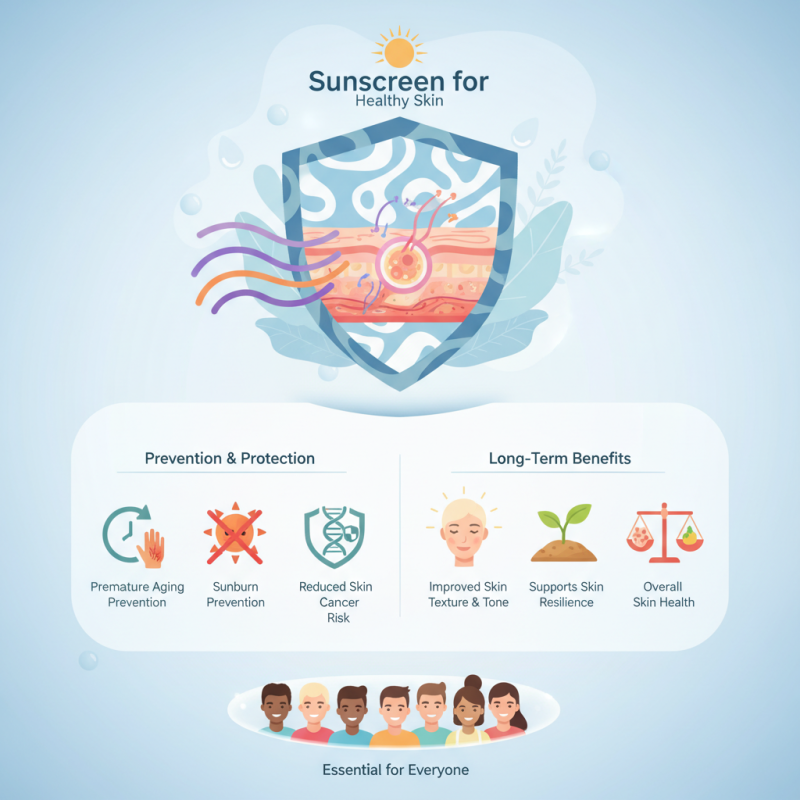
The sun's UV rays can lead to premature aging, sunburn, and even skin cancer. Regular application of sunscreen helps shield the skin from these harmful effects. Not only does it protect against immediate damage, but it also supports long-term skin health. Daily use can enhance skin texture and tone, making truly healthy skin more achievable.

Despite its benefits, many people overlook sunscreen. Some claim it feels greasy or disagree with makeup. These concerns highlight the need for broader education on sunscreen options. Choosing a lightweight or tinted formula can be a great solution. Ultimately, recognizing why sunscreen is important for skin health is essential for everyone seeking healthier, more resilient skin.
Why is Sunscreen Essential for Healthy Skin?

Importance of Sunscreen in Preventing Skin Damage

Sunscreen plays a crucial role in protecting your skin from harmful UV rays. The sun emits both UVA and UVB radiation. UVA rays penetrate deep into the skin, leading to premature aging. UVB rays, on the other hand, are responsible for sunburn. Regular use of sunscreen helps prevent these forms of skin damage. It maintains skin health and enhances your natural glow.

Choosing the right sunscreen is important. Look for broad-spectrum protection. A sunscreen with at least SPF 30 is generally recommended. Apply it generously to all exposed skin. Don't forget areas often overlooked, like your ears and the back of your neck. Reapply every two hours, especially after swimming or sweating.

Tips for effective sunscreen use: Apply sunscreen 15 minutes before going outdoors. This allows your skin to absorb it properly. If you have sensitive skin, opt for physical sunscreens with zinc oxide or titanium dioxide. Always check the expiration date of your sunscreen. Expired products may not provide adequate protection, leaving your skin vulnerable to damage.

Importance of Sunscreen in Preventing Skin Damage

Understanding UV Radiation and Its Effects on the Skin

UV radiation poses significant risks to skin health. This invisible threat can lead to skin damage, premature aging, and even skin cancer. The World Health Organization states that UV exposure is the leading cause of skin-related issues. Around 90% of nonmelanoma skin cancers and 85% of melanoma cases are linked to UV exposure. This data underscores the importance of UV protection.

Additionally, UV radiation has two main types: UVA and UVB. UVA rays penetrate deeper, causing photoaging. They can damage collagen and elastin, leading to wrinkles and sagging skin. Conversely, UVB rays are responsible for sunburn. A study in the Journal of Investigative Dermatology found that repeated UVB exposure could alter the skin's DNA, increasing cancer risk. Most people underestimate UV damage, making it vital to educate and advocate for sun safety.

Despite awareness, many overlook sunscreen use. The American Academy of Dermatology noted that only about 14% of Americans use sunscreen regularly. This gap reveals a need for constant reminders about its significance. Each layer of protection counts. Daily application, even on cloudy days, can be life-changing for skin health. It's essential to foster a deeper understanding of UV effects on our skin to promote proactive skincare.

Key Ingredients to Look for in Sunscreen Products

Sunscreen is vital for healthy skin. Choosing the right product is essential. Look for broad-spectrum protection. This means it defends against UVA and UVB rays. According to the American Academy of Dermatology, more than 90% of skin cancers are due to sun exposure.

Key ingredients to consider are zinc oxide and titanium dioxide. These mineral-based filters physically block UV rays. They are less likely to irritate sensitive skin. Another important ingredient is avobenzone, which protects against UVA rays. The Skin Cancer Foundation highlights the need for an SPF of at least 30 for daily use. This provides adequate protection during typical sun exposure.

Tips: Always apply sunscreen 15 minutes before going outside. Reapply every two hours, or more frequently if swimming or sweating. Consider products with antioxidants like vitamin C. These can help fight free radicals produced by sun exposure. Remember: even on cloudy days, up to 80% of UV rays can penetrate through. Protecting your skin should be a daily habit.

How to Properly Apply Sunscreen for Maximum Effectiveness

Applying sunscreen properly is crucial for maximizing its benefits. Research indicates that nearly 80% of UV rays can penetrate the skin even on cloudy days. Many people make the mistake of applying too little sunscreen. Experts recommend using about an ounce, or a full shot glass, to cover the entire body. This amount ensures thorough protection, reducing the risk of skin damage significantly.

The timing of application is also key. Sunscreen should be applied at least 15 minutes before sun exposure. This allows the ingredients to absorb and start working effectively. Reapplication is necessary every two hours or immediately after swimming or sweating. Many users overlook this step, diminishing the product's efficacy. Studies show that nearly 30% of individuals forget to reapply, leaving their skin vulnerable.

Using broad-spectrum sunscreen with an SPF of 30 or higher is essential. This offers adequate protection against both UVA and UVB rays. However, it’s important to pay attention to the expiration dates of products. A recent survey revealed that over 50% of people use expired sunscreen. This can lead to ineffective protection and potential skin damage. Adjusting these routines can drastically improve skin health and reduce the risk of long-term issues.

Common Myths About Sunscreen Debunked

Sunscreen has become a crucial part of skincare. Yet, many myths surround its use. One common misconception is that dark skin doesn’t need sunscreen. This is not true. While melanin offers some protection, it does not block harmful UV rays completely. Everyone, regardless of skin tone, should use sunscreen.

Another myth is that sunscreen is unnecessary on cloudy days. In reality, up to 80% of UV rays can penetrate clouds. You're still at risk of sun damage. Some people believe that sunscreen is only for beach days. This is misleading. Daily exposure to sunlight can lead to long-term skin issues like premature aging and cancer.

Lastly, some think that sunscreen is effective for the entire day after one application. Unfortunately, this isn’t correct. Sunscreen can wear off due to sweating, swimming, or simply the passing of time. Reapplication every two hours is vital. Debunking these myths is crucial for maintaining healthy skin. Awareness can lead to better habits and ultimate protection.

FAQS

: What are the main risks of UV radiation?

: UV radiation can cause skin damage, premature aging, and skin cancer. It is the leading cause of skin-related issues.

How do UVA and UVB rays differ?

UVA rays penetrate deeper, causing wrinkles. UVB rays cause sunburn and can alter skin DNA, increasing cancer risk.

Why is sunscreen important for everyone?

Everyone should use sunscreen, regardless of skin tone. Melanin does not completely block harmful UV rays.

Do I need sunscreen on cloudy days?

Yes, up to 80% of UV rays penetrate clouds. Sun damage can still occur even if it's not sunny.

How often should sunscreen be reapplied?

Sunscreen should be reapplied every two hours. Factors like sweat and swimming can reduce its effectiveness.

What percentage of Americans use sunscreen regularly?

Only about 14% of Americans use sunscreen regularly. This low statistic highlights the need for more awareness.

What's a common misconception about sunscreen effectiveness?

Many think sunscreen protects all day after one application. It actually wears off and requires reapplication.

How can I promote better sun safety habits?

Education is key. Share information about UV risks and the importance of daily sunscreen use.

Are there any negative effects of inadequate sunscreen use?

Not using sunscreen can lead to long-term skin issues, including cancer and premature aging. It is a serious concern.

How can I better understand UV effects on my skin?

Research and learn more about UV radiation. Understanding its impact can foster proactive skincare habits.

Conclusion

Sunscreen plays a crucial role in maintaining skin health by preventing damage caused by harmful UV radiation. Understanding why is sunscreen important for skin health involves recognizing the effects of UV rays, which can lead to premature aging, sunburn, and an increased risk of skin cancer. The right sunscreen effectively blocks these rays, which is why selecting products containing key ingredients such as zinc oxide or titanium dioxide is essential.

Proper application techniques can enhance sunscreen's effectiveness; applying it generously and reapplying it every two hours ensures maximum protection. Despite common myths surrounding sunscreen use—such as the belief that sunscreen is unnecessary on cloudy days or darker skin tones—education is vital to dispelling these misconceptions. Ultimately, consistent sunscreen application is a fundamental step in preserving skin health and preventing long-term damage.

Madeline

Madeline

Madeline is a dedicated marketing professional with a wealth of expertise in our company's core offerings. With a keen understanding of the industry, she brings a unique perspective to her role, consistently delivering high-quality content that highlights the superior aspects of our products. As......