Dry, tight lips are common, but the cause is not always simple. Cold air, indoor heating, wind, frequent licking, and irritating flavors can weaken the lip barrier. Unlike facial skin, lips have a thinner protective structure and fewer oil glands. Moisture escapes quickly.
This guide explains how to keep lips hydrated all day through practical, evidence-informed choices. It compares four leading product types: humectant-rich balms, emollient creams, occlusive ointments, and lip products with broad-spectrum SPF. Humectants attract water. Emollients soften rough areas. Occlusives help seal moisture in. The American Academy of Dermatology recommends fragrance-free products containing ingredients such as petrolatum, ceramides, and shea butter for dry lips. It also advises daily sun protection, because ultraviolet exposure can damage exposed lip tissue.
Consumer demand supports this shift toward barrier care. Mintel’s global beauty and personal care research shows stronger interest in skin health, ingredient transparency, and multifunctional products. Grand View Research also identifies lip care as a growing segment, driven by treatment-focused balms and protective formulas. These reports describe market direction, not medical proof. That distinction matters.
A good routine starts with damp lips, followed by a humectant and a sealing layer. Reapply after eating, drinking, or wiping your mouth. Choose SPF 30 or higher outdoors. Avoid menthol, camphor, strong fragrance, and flavored formulas when irritation appears. More product is not always better. A glossy balm may feel comforting but provide little lasting protection. Results vary, and even a carefully planned routine can fail during illness, dehydration, or severe weather. Persistent cracking, bleeding, or scaling deserves professional evaluation. Here is how to keep lips hydrated all day without trusting marketing claims alone.
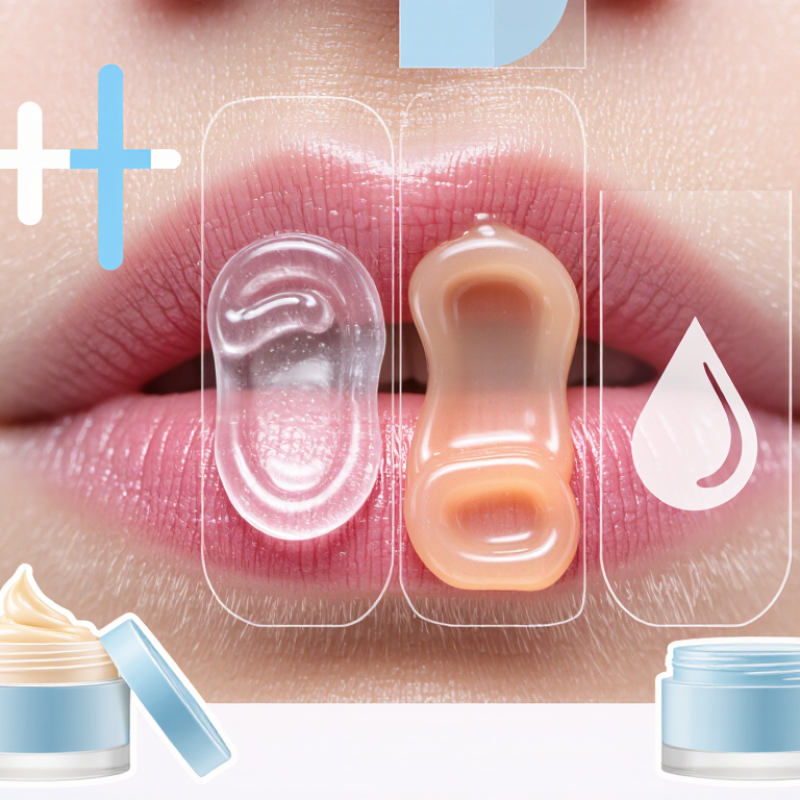
What Causes Lips to Become Dry and Dehydrated?
Dry lips often begin with a damaged moisture barrier, not simply a lack of water. The thin skin on the lips contains fewer oil glands than facial skin. It loses moisture quickly, especially during cold, dry weather. Indoor heating can make the problem worse. Wind quietly strips the surface, leaving fine cracks and tightness.
Lip licking may feel soothing, but saliva evaporates fast. It can remove protective oils and create a repeating cycle of dryness. I used to mistake that temporary relief for hydration. I was wrong. Fragrances, strong flavors, and some cosmetic ingredients may also irritate sensitive lips. Toothpaste residue around the mouth can cause redness in some people. Sun exposure matters, even on cool days, because lips have limited natural protection.
Not every case comes from dehydration. Certain medicines, allergies, eczema, and repeated mouth breathing can contribute. Cracks at the corners may suggest irritation or another condition, especially when they persist. Applying a simple, fragrance-free occlusive balm to slightly damp lips can reduce moisture loss. Reapply after eating, drinking, or wiping your mouth. A humidifier may help during dry nights. Avoid picking loose skin. It feels satisfying, but it delays healing. If swelling, bleeding, pain, or persistent scaling develops, professional medical advice is more reliable than continued trial and error.
Top Types of Lip Hydration Products for 2026
In 2026, lip hydration products are becoming more specialized. The main types include occlusive balms, humectant serums, overnight masks, lip oils, and SPF treatments. Each type solves a different problem. Occlusives, such as petrolatum and plant waxes, form a surface barrier. Humectants, including glycerin and hyaluronic acid, attract water. Oils add softness, but they may not prevent moisture loss alone.
Grand View Research valued the global lip care products market at about USD 4.5 billion in 2023. Its report projects continued growth through 2030, supported by daily-use and multifunctional products. The American Academy of Dermatology recommends fragrance-free formulas and broad-spectrum SPF 30 for exposed lips. In practice, a thick balm works better during cold commutes, while a lighter serum suits indoor, dry-air conditions. Lip oils feel comfortable, though their hydration can be short-lived. I have found that texture affects consistency more than expected.
Tips: Apply a humectant serum to slightly damp lips, then seal it with an occlusive balm. Use SPF 30 outdoors, even in winter. Reapply after eating or drinking. Avoid strong flavors, menthol, and products that sting. A tingling feeling is not proof of better hydration. If cracking continues for several weeks, consult a qualified dermatologist. The perfect product may not exist; skin needs can change with weather, medication, and habits.
How to Build an All-Day Lip Hydration Routine
Building an all-day lip hydration routine starts with gentle, consistent care rather than one heavy application. In the morning, rinse your lips with lukewarm water and pat them dry. Apply a fragrance-free balm containing humectants, such as glycerin, to attract moisture. Follow with an occlusive layer, such as petrolatum or plant-based wax, to reduce water loss. Use lip protection with broad-spectrum SPF when spending time outdoors. Lips can burn easily, even on cloudy days.
Reapply after eating, drinking, brushing your teeth, or wiping your mouth. Keep a small tube in your bag and another beside your bed. Avoid licking dry lips; saliva evaporates quickly and may worsen tightness. Spicy foods can also irritate cracked skin. I have found that applying balm to slightly damp lips feels more effective, although results vary with weather and skin sensitivity. Do not scrub peeling lips. That habit can create tiny breaks and prolong discomfort. Patch-test new ingredients, especially essential oils or strong flavors. If cracking continues, spreads beyond the lip edges, or causes bleeding, consult a qualified healthcare professional. Hydration is not always the whole answer. Sometimes the routine needs changing.
2026 Top Types: How to Keep Lips Hydrated All Day? – How to Build an All-Day Lip Hydration Routine
| Hydration Type |
Primary Function |
Useful Ingredients |
Best Time to Use |
Practical Tip |
| Humectant hydration |
Attracts and holds water at the skin surface. |
Glycerin, hyaluronic acid, sorbitol, and panthenol. |
After cleansing and whenever lips feel tight. |
Follow with an occlusive layer so moisture is less likely to evaporate. |
| Occlusive protection |
Forms a protective film that reduces water loss. |
Petrolatum, mineral oil, dimethicone, lanolin, and plant waxes. |
Before sleep, outdoors, and in dry or windy weather. |
Apply a generous layer at night because contact and protection can last longer during sleep. |
| Emollient smoothing |
Softens rough areas and fills gaps between surface cells. |
Squalane, shea butter, fatty acids, and plant oils. |
During the day or after washing the face. |
Choose fragrance-free formulas if lips are sensitive or easily irritated. |
| Barrier-support care |
Supports the lipid barrier and helps reduce recurring dryness. |
Ceramides, cholesterol, fatty acids, and panthenol. |
Morning and evening as part of consistent care. |
Use consistently rather than repeatedly exfoliating dry or peeling skin. |
| Sun-protective lip care |
Helps protect lips from ultraviolet radiation, which can contribute to dryness and damage. |
Broad-spectrum SPF 30 or higher in a lip product. |
Every morning and during prolonged outdoor exposure. |
Reapply at least every two hours outdoors and after eating or drinking. |
| Overnight repair layer |
Minimizes overnight moisture loss and shields cracked areas from friction. |
A bland, fragrance-free ointment or balm with occlusive ingredients. |
At the final step before bed. |
Apply to clean, slightly damp lips; avoid picking flakes before application. |
All-Day Lip Hydration Routine
| Routine Stage |
Action |
Reason |
| Morning |
Apply a moisturizing lip product, then use broad-spectrum SPF 30 or higher. |
Provides moisture while helping protect the lips from ultraviolet exposure. |
| During the day |
Reapply after meals, drinking, wiping the mouth, or whenever tightness returns. |
Lip products are removed by eating, drinking, talking, and wiping. |
| Outdoor exposure |
Use SPF lip protection and reapply at least every two hours while outdoors. |
Sun protection needs regular reapplication, especially after eating or drinking. |
| Night |
Gently cleanse, apply a humectant or emollient product, and seal with an ointment. |
Layering hydration underneath an occlusive helps limit overnight water loss. |
| When irritation appears |
Stop products containing fragrance, flavoring, menthol, camphor, or irritating exfoliants. |
These ingredients can aggravate sensitive or chapped lips in some people. |
Note: Persistent cracking, bleeding, swelling, or painful inflammation should be evaluated by a qualified healthcare professional.
Daily Habits That Help Lips Retain Moisture
2026 Top Types: How to Keep Lips Hydrated All Day?
Daily habits can help lips retain moisture better than occasional heavy application.
Lip skin is thin and has fewer oil glands than facial skin. It loses water quickly in cold air, wind, heated rooms, and strong sunlight. A consistent routine matters.
Apply a fragrance-free lip moisturizer after brushing your teeth and before leaving home. Reapply after eating, drinking, or wiping your mouth. Choose formulas with occlusive ingredients, such as petrolatum, beeswax, or plant-based waxes. Humectants like glycerin may attract water, but they work best under a protective layer. Keep one at your desk and another in your bag. Small reminders help.
Drink regularly, but do not rely on water alone to fix dry lips. Avoid licking them, because saliva evaporates and can worsen tightness. Scrubbing flaky skin often feels satisfying, yet it may create tiny injuries. I still forget this on busy mornings. A soft cloth and lukewarm water are gentler choices. Cover your lips outdoors, especially during windy or sunny weather. A lip product with sun protection can reduce irritation from ultraviolet exposure.
Persistent cracking, bleeding, swelling, or painful sores deserve professional attention.
These signs may reflect irritation, allergy, infection, or another skin condition. Change one product at a time when testing your routine. That makes reactions easier to identify.
When Persistent Dry Lips Require Professional Care
Persistent dry lips are more than a seasonal nuisance. If cracking, scaling, burning, or bleeding continues for two weeks, professional care may be appropriate. A dermatologist or qualified healthcare professional can check for eczema, contact irritation, dehydration, medication effects, or frequent mouth breathing. Persistent sores deserve prompt attention. Do not assume they are harmless.
Tips: Apply a fragrance-free, ointment-based lip protectant several times daily. Use a thicker layer before sleep. Avoid licking, peeling, and flavored products that sting. Drink regularly, but remember that water alone may not repair a damaged lip barrier. Cover your lips outdoors with sun protection. Small habits matter.
A clinician may ask about toothpaste, cosmetics, allergies, and nighttime breathing. They may examine the corners of your mouth for inflammation or infection. Treatment depends on the cause, not just dryness. In my view, many people change products too quickly and overlook irritation from familiar items. That is worth reconsidering. Seek care sooner if swelling, spreading redness, pus, severe pain, or difficulty eating develops. Professional advice is especially important when dry lips return repeatedly despite careful protection.
How to Keep Lips Hydrated All Day
Apply a fragrance-free lip balm or petrolatum-based ointment several times daily, reapply after eating or drinking, and use SPF 30 or higher on the lips during outdoor exposure. Avoid licking, biting, and irritating flavors or fragrances. If persistent dryness, painful cracks, bleeding, sores, or recurring symptoms continue despite self-care, seek professional evaluation.
Conclusion
Dry lips can result from cold or dry weather, wind, dehydration, frequent lip licking, irritating ingredients, or breathing through the mouth. To understand how to keep lips hydrated all day, start by applying a gentle, fragrance-free lip balm with moisturizing and protective ingredients. In 2026, useful product types may include nourishing balms, overnight lip masks, lightweight lip oils, and protective formulas designed to seal in moisture. Choose products based on your needs, and avoid formulas that cause stinging or increased dryness.
An effective all-day routine begins with applying lip care after cleansing, before going outdoors, and whenever lips feel tight. Reapply after eating or drinking, and use an overnight treatment to support recovery while you sleep. Drinking enough water, avoiding lip licking or biting, protecting lips from harsh weather, and using a humidifier can also help retain moisture. If dryness becomes painful, cracked, swollen, repeatedly bleeds, or does not improve with consistent care, seek professional medical advice to identify possible allergies, irritation, or underlying conditions.

 AJD Skincare