China Top 10 Makeup Why Does Makeup Not Stay on the Skin?

Time:2026-11-15 Author:Madeline
0%

A fresh foundation can look smooth at 8 a.m., then separate around the nose by lunch. Why does makeup not stay on the skin? The answer is rarely one faulty product. Skin oil, dry patches, sweat, skincare residue, and mismatched formulas can all affect wear. Even the amount applied matters: a thick layer may crease instead of lasting longer.

The market is growing, but growth does not prove that makeup performs well on every face. Circana reported that U.S. prestige beauty sales rose 14% in 2023, with makeup sales up 9%. These figures describe retail sales, not wear time or consumer satisfaction. They offer useful context, not a diagnosis. Board-certified dermatologist Dr. Hadley King’s broader skincare guidance emphasizes that skin condition and product choices matter; this is a paraphrase, not a direct quotation about makeup longevity. An exact, verifiable quote from her on this specific question should be checked against its original source before publication. That distinction matters. A primer cannot reliably fix every cause, and “long-wear” on a label does not guarantee a full day of coverage. This guide examines practical causes, from moisturizer that has not settled to foundation applied over flaky skin. Small changes can help. Results still vary. Begin with the skin, the formula, and the way they meet.
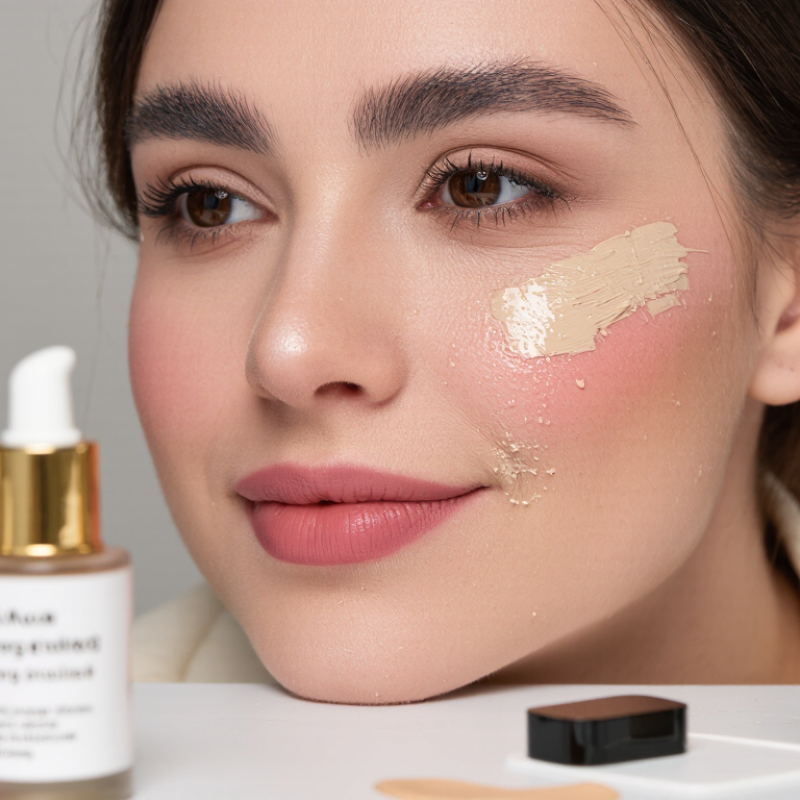
China Top 10 Makeup Why Does Makeup Not Stay on the Skin?

How Skin Type and Skin Condition Affect Makeup Wear

Makeup wear often reflects the skin beneath it, not just the formula. Oily skin may loosen foundation around the nose and forehead as sebum builds through the day. Dry or dehydrated skin can make pigment catch on flakes, leaving cheeks uneven. Skin is not a fixed canvas. Weather, sleep, and recent cleansing can change how it feels from morning to evening.

Skin condition matters, too. A temporarily irritated or tight-feeling face may not tolerate the same preparation as usual. Applying more primer over rough patches can emphasize texture rather than hide it. Try a gentle moisturizer, then give it a few minutes to settle. Use thin makeup layers, and press them in with a clean sponge or fingertips instead of rubbing. Small changes often help more than adding another layer.

Notice where makeup fades first. If the T-zone gets shiny, use a small amount of powder there, while leaving drier areas less coated. If foundation separates, check whether skincare still feels slippery underneath. Sweat and humidity can shorten wear for any skin type, so touch-ups may be normal. I would not treat every patch or crease as a product failure; sometimes the skin simply needs a different level of moisture that day.

Why Makeup May Not Stay: Skin Conditions and Wear

Oily skin can make makeup slip, while dry or flaky skin can cause patchiness. Dehydration may make products cling unevenly, and sweat or humidity can contribute to makeup breakdown. Scores are a qualitative guide to relative potential—not measured clinical data—and individual results vary.

How Skincare and Primer Prepare the Skin for Makeup

Makeup often fades because the skin is too oily, too dry, or coated with products that have not settled. A gentle cleanse removes excess oil and residue without leaving the face tight. Apply a light moisturizer where skin feels dry, especially around the nose and cheeks. Give it a few minutes to absorb. Rushing this step can leave makeup sliding across the surface. Small details matter. Primer is an optional layer, not a fix for every skin concern. A smoothing formula may soften the look of pores, while a mattifying one can help reduce shine. Use a thin amount and let it set before applying makeup.

In practice, the best prep is the prep your skin tolerates consistently. A heavy moisturizer under a rich primer may feel comfortable at first, then turn slippery by midday. Try fewer layers, and change one product at a time so you can notice what helps. Not always. Apply foundation in light layers, pressing it gently around the nose and chin instead of rubbing. If flaky patches show through, more primer may make them look more obvious; moisturizer and a brief pause can be a better choice. It is tempting to blame the makeup, though skin condition, weather, and application all affect how long it lasts. Even careful prep cannot guarantee a perfect finish.

Why Makeup Separates, Fades, or Transfers

Makeup separates when its layers cannot settle evenly. Excess moisturizer, sunscreen, or primer can leave a slick film, while dry patches catch pigment and create a flaky edge around the nose. Skin is not a neutral surface: Lambers and colleagues reported an average skin-surface pH of 4.7 in the International Journal of Cosmetic Science. That figure does not predict makeup wear, but it reminds us that skin conditions vary. A common mistake is blaming the foundation too quickly. Sometimes the real issue is applying several layers before the previous one has settled.

Fading often comes from oil, sweat, and repeated touching; transfer happens when fresh, flexible makeup meets a phone, collar, or mask. Try using a thinner layer, then give skincare a few minutes to absorb. Press foundation into the skin rather than rubbing it across the surface, especially beside the nostrils and along the jaw. Blot oil gently before adding powder. Less product can help. So can patience. Still, these steps are not foolproof: humid weather, changing skin condition, and long wear can defeat a neat morning routine. Test one change at a time, and note where makeup breaks down first; the pattern may tell you more than another product layer.

How Product Compatibility and Application Techniques Matter

Makeup can fade when layers compete, not simply because the formula is poor. A rich cream beneath a fast-setting foundation may leave a slick surface. Some combinations also pill as they are rubbed together. Water- or silicone-based labels offer clues, but they cannot predict every interaction; the full formula and skin condition matter. Circana’s 2023 U.S. prestige beauty report recorded 9% growth in makeup sales. That measures demand, not staying power. Still, it shows why reliable wear remains a practical concern for many users.

Start with clean skin and apply moisturizer sparingly, especially across the nose and forehead. Let sunscreen settle before makeup; a short wait can help, though the ideal time varies by product. Use thin foundation layers, pressing them in with a damp sponge or clean fingers rather than repeatedly dragging over the skin. Less is often better. If makeup separates, test one change at a time: reduce skincare, switch the application tool, or leave powder off a dry area. I have found that adding more setting powder can make texture look worse, not better. A wear test in daylight is useful, but indoor lighting can hide patchiness. (Circana, U.S. Prestige Beauty Industry Sales, 2023.)

How to Make Makeup Last Longer in Different Conditions

Makeup may fade when skin oil, sweat, dry patches, or rubbing break up its layers. In warm, humid weather, apply thin layers and let moisturizer and sunscreen settle before adding makeup. Blot sweat gently with a clean tissue; wiping can lift coverage. In cold, dry air, flaky skin can make foundation cling unevenly. Use a comfortable moisturizer, then apply less foundation over rough areas. Less is often more. Makeup can still shift during the day, even with careful preparation.

Tips: Match your routine to the weather. Blot rather than rub, and carry a small powder only if your skin tends to get shiny. Patch-test new products if your skin is reactive.

For long days, press foundation into the skin instead of repeatedly sweeping it across the face. A light setting layer can help, but too much powder may emphasize texture. If makeup separates around the nose or chin, check whether skincare underneath feels slippery or has not dried. Change one step at a time; it is easy to blame the foundation when the real issue is layering. Sometimes, the best fix is a gentler routine, not more product.

China Top 10 Makeup: Why Does Makeup Not Stay on the Skin? — How to Make Makeup Last Longer in Different Conditions

Condition Why Makeup May Not Last How to Help It Last Longer
Oily skin Excess sebum can break down or shift foundation, especially around the nose, forehead, and chin. Use a lightweight, non-greasy moisturizer. Apply thin layers of makeup and gently press setting powder onto areas that become oily.
Dry or flaky skin Dry patches can make foundation look uneven and cause it to separate or cling to flakes. Moisturize regularly and allow skincare to absorb before makeup. Apply foundation lightly with a damp sponge; avoid rubbing flaky areas.
Hot, humid weather Heat, perspiration, and moisture can soften makeup and make it transfer more easily. Choose lightweight, water-resistant products where appropriate. Use thin layers, set key areas with powder, and blot sweat instead of wiping.
Exercise or heavy sweating Perspiration can disturb makeup, particularly around the hairline, upper lip, and under-eye area. For exercise, consider wearing less complexion makeup. If wearing it, use water-resistant formulas and gently blot perspiration with a clean tissue.
Cold, dry weather Low humidity and indoor heating can dry the skin, making makeup look tight or patchy. Use a suitable moisturizer and let it settle before applying makeup. Prefer flexible, hydrating formulas and avoid excessive powder.
Face masks or frequent friction Repeated rubbing and pressure can lift makeup from areas that touch fabric. Apply a thin layer, allow products to set, and avoid over-applying makeup beneath the mask. Choose a clean, well-fitting mask and handle it gently.
Sunscreen underneath makeup Applying makeup before sunscreen has set, or layering too many products quickly, can cause pilling or uneven coverage. Apply sunscreen evenly as directed and give it time to settle. Pat on foundation rather than aggressively rubbing it across the skin.
Skincare residue or product pilling Some product layers may not sit well together, especially when too much is applied or layers are not allowed to dry. Use a simple skincare routine before makeup, apply modest amounts, and let each layer settle. If pilling continues, simplify the layers.
Too much foundation or powder Thick layers can crease, look cakey, and move more noticeably as the skin produces oil or changes expression. Start with a small amount and build coverage only where needed. Set selectively rather than applying a heavy layer of powder everywhere.
Touching or rubbing the face Hands, tissues, phones, and clothing can transfer or remove makeup through repeated contact. Minimize touching the face. Blot oil with a clean tissue or blotting paper, and press makeup back into place gently instead of wiping.

Note: Wear time varies with skin type, product formula, application, and environment. Patch-test new products and remove makeup gently at the end of the day.

FAQS

Why does foundation sometimes fade or separate?

Skin oil, sweat, dry patches, and rubbing can disrupt makeup layers. Rich cream may leave skin slick. The formula may not be the only cause.

Can product labels predict whether makeup layers will work together?

Water- or silicone-based labels offer clues, but not guarantees. The full formula and your skin condition matter too. Test a small area.

How should I prepare my skin before foundation?

Start with clean skin and use moisturizer sparingly, especially around the nose and forehead. Let sunscreen settle first. The ideal wait varies.

What application method can help foundation last longer?

Apply thin layers and press them in with a damp sponge or clean fingers. Repeatedly dragging makeup may disturb the layer underneath. Keep it light.

What can I try if foundation pills?

Reduce skincare, switch your application tool, or skip powder on a dry area. Change one step at a time. Otherwise, the cause can be hard to spot.

How can I adjust makeup for warm, humid weather?

Use thin layers and let skincare settle. Blot sweat gently with a clean tissue instead of wiping. Wiping can lift coverage.

What helps foundation look smoother in cold, dry weather?

Use a comfortable moisturizer and apply less foundation over flaky areas. Too much powder may emphasize texture. I sometimes reach for more, then regret it.

Does setting powder always improve makeup wear?

No. A light layer may help, but too much can highlight dry texture. Less is often better. Daylight may reveal patchiness that indoor lighting hides.

Conclusion

Makeup may not stay on the skin for many reasons, and the answer often begins with skin type and condition. Excess oil can cause products to slip or separate, while dryness and uneven texture may make makeup cling to patches. Changes in hydration, sensitivity, or the skin’s surface can also affect how smoothly products apply and how long they last. Understanding these factors helps explain why does makeup not stay on the skin and makes it easier to adjust a routine to suit individual needs.

A balanced skincare routine and a suitable primer can create a smoother base, but applying too many layers or combining products that do not work well together may lead to pilling, fading, or transfer. Using appropriate amounts, allowing layers to settle, and choosing application techniques that suit each formula can improve wear. Heat, humidity, wind, and long days may also affect results, so simple adjustments—such as light layers and targeted touch-ups—can help makeup remain more comfortable and consistent in different conditions.

Madeline

Madeline

Madeline is a dedicated marketing professional with a wealth of expertise in our company's core offerings. With a keen understanding of the industry, she brings a unique perspective to her role, consistently delivering high-quality content that highlights the superior aspects of our products. As......