Why Is Sunscreen Important for Skin Health?

Time:2026-10-08 Author:Oliver
0%

Why is sunscreen important for skin health? The answer begins with ultraviolet radiation, not cosmetics. UVA can penetrate deeper skin layers, while UVB commonly causes sunburn. Both contribute to cellular damage, premature aging, and skin cancer. The World Health Organization reports that ultraviolet radiation caused more than 1.5 million skin cancer cases worldwide in 2020. It also links excessive exposure to approximately 120,000 deaths that year. These figures make daily protection a health measure, not merely a beauty habit.

Clinical evidence supports consistent sunscreen use. The Nambour randomized trial found that daily sunscreen reduced squamous cell carcinoma incidence by about 40%. It also reduced invasive melanoma occurrence by approximately 50% during follow-up. The American Academy of Dermatology recommends broad-spectrum, water-resistant sunscreen with SPF 30 or higher. Apply enough product to exposed skin, including ears, neck, hands, and the hairline. Reapply every two hours outdoors, especially after swimming or heavy sweating. A teaspoon for the face and neck is a useful visual guide.

Still, sunscreen is not an invisible shield. People often apply too little, forget cloudy-day exposure, or rely on one morning application. I have noticed this mistake around the ears and knuckles, where redness appears first. Protective clothing, shade, sunglasses, and avoiding intense midday sunlight remain important. Research is strong, but no product removes every risk. Sunscreen works best as one practical layer within a broader sun-protection routine. Its value becomes clearest through repeated, ordinary actions: covering exposed skin before a morning commute, then checking missed areas before leaving home.
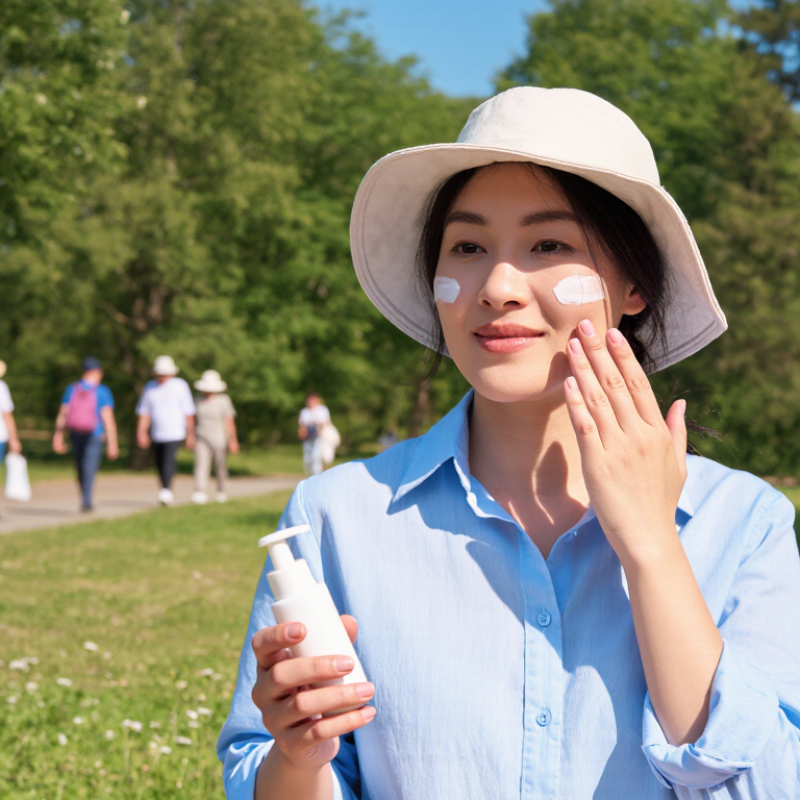
Why Is Sunscreen Important for Skin Health?

What Sunscreen Is and How It Protects the Skin

Why Is Sunscreen Important for Skin Health?

Sunscreen is a topical product that helps reduce ultraviolet radiation reaching the skin. Broad-spectrum formulas protect against UVA and UVB rays. UVA can accelerate photoaging, while UVB is strongly linked with sunburn. The World Health Organization reported that ultraviolet radiation caused about 1.5 million non-melanoma skin cancer cases globally in 2020. That figure makes daily protection more than a beauty habit.

Sunscreen works through filters. Mineral filters reflect and scatter some radiation, while organic filters absorb UV energy before it damages skin cells. The sun protection factor, or SPF, mainly measures UVB protection. The American Academy of Dermatology recommends broad-spectrum, water-resistant sunscreen with SPF 30 or higher. Still, SPF is not a force field. A high number does not permit unlimited sun exposure. I still see people miss their ears, hairline, neck, and hands. These areas often show damage first.

Tips: Apply enough product to cover exposed skin, including the ears and neck. Reapply every two hours, or sooner after swimming, sweating, or towel drying. Clothing, shade, and a wide-brimmed hat add useful protection. Check the product’s expiration date. Small habits matter, but perfect application is unrealistic; consistency is the part worth improving.

Why Is Sunscreen Important for Skin Health?

What Sunscreen Is and How It Protects the Skin

Sunscreen contains filters that absorb, reflect, or scatter ultraviolet radiation before it reaches the skin. The chart shows the approximate percentage of UVB radiation filtered by common SPF levels. Higher SPF values provide greater protection, but no sunscreen blocks 100% of UVB radiation. Broad-spectrum sunscreen also helps protect against UVA radiation, which contributes to premature skin aging and long-term skin damage.

How Ultraviolet Radiation Affects Skin Health

Why Is Sunscreen Important for Skin Health?

Ultraviolet radiation reaches skin on cloudy days and during winter. UVA penetrates deeper into the dermis. It contributes to collagen breakdown, uneven pigmentation, and DNA damage. UVB causes most sunburns and also harms cellular DNA. Both types matter. The World Health Organization estimated that ultraviolet radiation caused about 1.5 million non-melanoma skin cancer cases globally in 2020. It also contributes to melanoma and premature skin aging (WHO, 2023).

Broad-spectrum sunscreen helps reduce exposure to UVA and UVB. The American Academy of Dermatology recommends SPF 30 or higher for daily use. Apply enough product to cover exposed skin, then reapply every two hours. Reapply sooner after swimming or heavy sweating. Sunscreen works better with shade, tightly woven clothing, and a wide-brimmed hat. Yet no routine is perfect. Missed areas, such as ears and the hairline, can still burn.

Tips: Apply sunscreen 15 minutes before going outdoors. Use two finger-lengths for the face and neck. Check the expiration date. Do not rely on sunscreen alone. A 2024 World Health Organization update also stresses limiting midday exposure, when UV levels are often strongest. Skin protection is easy to underestimate, especially when the air feels cool. That mistake deserves attention.

Key Benefits of Using Sunscreen Regularly

Why Is Sunscreen Important for Skin Health?

Regular sunscreen use helps protect skin from ultraviolet radiation, including UVA and UVB rays. UVA can contribute to premature aging, while UVB commonly causes sunburn. Repeated exposure may also increase the risk of skin cancer. Broad-spectrum sunscreen offers protection against both types of rays. Small habit, real protection.

Daily application can reduce uneven pigmentation, fine lines, rough texture, and redness caused by sunlight. It also helps protect results from treatments for dark spots or sensitive skin. Dermatology guidance often recommends broad-spectrum SPF 30 or higher. Apply enough product to cover exposed areas, including the ears, neck, and hands. These places are easy to miss.

Reapply every two hours outdoors, especially after swimming, sweating, or towel drying. Hats, sunglasses, shade, and long clothing add useful protection. Sunscreen is not a perfect shield, and its effectiveness depends on consistent use. I used to apply it only on bright beach days, which was an easy mistake. Cloudy weather still allows ultraviolet exposure, and windows do not block every damaging ray. People with sensitive skin should patch-test new products and seek medical advice for persistent rashes or changing spots.

Why Is Sunscreen Important for Skin Health? - Key Benefits of Using Sunscreen Regularly

Health Dimension Evidence-Based Fact Practical Sunscreen Guidance Expected Benefit
Protection from UVB rays UVB radiation is a major cause of sunburn and contributes to skin cancer risk. Use a broad-spectrum sunscreen with SPF 30 or higher. Helps reduce sunburn and limits UV-related skin damage.
Protection from UVA rays UVA rays penetrate deeper into the skin and contribute to premature aging and some skin cancers. Choose a product labeled “broad spectrum,” which protects against both UVA and UVB. Provides more complete daily UV protection.
Sunburn prevention SPF primarily measures protection against UVB-related sunburn under standardized testing conditions. Apply generously and evenly; insufficient application lowers the labeled protection. Reduces the likelihood and severity of sunburn.
Visible signs of photoaging Repeated UV exposure accelerates collagen and elastin breakdown, contributing to wrinkles, uneven pigmentation, and loss of firmness. Apply sunscreen every day to exposed skin, including on cloudy days. Helps minimize cumulative UV-related premature aging.
Hyperpigmentation support UV exposure can worsen dark spots and uneven skin tone, especially in people prone to pigmentation. Use broad-spectrum SPF 30 or higher and reapply during prolonged outdoor exposure. Helps prevent existing discoloration from becoming darker.
Skin cancer risk reduction Regular sunscreen use is one part of a broader sun-protection strategy that can help reduce UV exposure associated with skin cancer. Combine sunscreen with shade, protective clothing, sunglasses, and avoidance of intense midday sunlight. Supports long-term protection from cumulative UV damage.
SPF performance Under laboratory conditions, SPF 30 filters approximately 97% of UVB, while SPF 50 filters approximately 98%. Do not treat a higher SPF as permission to stay in the sun longer or skip reapplication. Encourages realistic expectations about sunscreen protection.
Correct application amount Adults generally need about 1 ounce, or enough to fill a shot glass, to cover exposed body skin. Use about two finger-lengths of product for the face and neck, adjusting to individual coverage needs. Improves the chance of achieving the labeled SPF.
Reapplication Sunscreen can wear off through sweating, swimming, toweling, and rubbing against clothing. Reapply at least every 2 hours outdoors and immediately after swimming or heavy sweating. Maintains more consistent protection over time.
Water resistance Water-resistant products are tested to remain effective for either 40 or 80 minutes during swimming or sweating; no sunscreen is completely waterproof. Follow the product’s water-resistance label and reapply after towel drying. Provides better protection during water-based activities when used correctly.
Daily-use consistency UV exposure occurs during routine activities, not only during beach vacations or outdoor sports. Make sunscreen the final step of the morning skin-care routine on exposed areas. Reduces cumulative, everyday UV exposure.

Note: Sunscreen works best when combined with shade, protective clothing, a wide-brimmed hat, and UV-protective sunglasses.

How to Choose the Right Sunscreen for Your Skin

Sunscreen protects skin from ultraviolet radiation, which can cause sunburn, premature aging, and some skin cancers. Sun damage is cumulative. It can occur during short walks, outdoor commutes, or cloudy afternoons. Choosing the right product matters because an uncomfortable formula often stays unused.

Look for broad-spectrum protection and an SPF of 30 or higher. Water-resistant sunscreen helps during swimming or heavy sweating, but it still needs reapplication.

Oily or acne-prone skin may suit a lightweight, non-comedogenic lotion. Dry skin often benefits from added moisturizing ingredients. For sensitive skin, mineral filters such as zinc oxide or titanium dioxide may feel gentler, though they can leave a visible cast. Patch-test first.

Apply enough to cover the face, ears, neck, and exposed hands. Reapply about every two hours, especially after swimming or toweling off. Hats and shade provide useful support, but they do not replace sunscreen.

A dermatologist can help assess unusual reactions or persistent irritation. I once underestimated how quickly sunscreen wears away while walking outside. The formula was not the only issue; I simply applied too little and forgot to reapply.

There is no perfect product for everyone. Comfort, consistency, and honest attention to your skin usually matter most.

Best Practices for Applying and Reapplying Sunscreen

Why Is Sunscreen Important for Skin Health?

Daily ultraviolet exposure can damage skin, even on cool or cloudy days. The World Health Organization and IARC estimated over 1.5 million non-melanoma skin cancers worldwide in 2022. Melanoma cases exceeded 330,000. These figures make consistent protection more than a summer habit.

Choose a broad-spectrum sunscreen with SPF 30 or higher, as recommended by the American Academy of Dermatology. Apply it generously to the face, neck, ears, hands, and exposed scalp. A thin, rushed layer offers less protection than the label suggests. Reapply every two hours, following guidance from the U.S. Food and Drug Administration, and reapply sooner after swimming, sweating, or towel drying. Water resistance is temporary, not waterproof.

Tips: Put sunscreen on 15 minutes before going outdoors. Use about one ounce for the body, roughly a shot-glass amount. For the face, two finger-length lines can be a practical guide. Do not forget eyelids and the backs of your hands. Wear a hat and seek shade during strong midday sunlight. I still miss small areas sometimes, especially around my ears. Checking in a mirror helps. Reapplication feels inconvenient, but it is where many routines quietly fail.

FAQS

Why should sunscreen be used every day?

Ultraviolet rays can reach skin during short walks, commutes, and cloudy afternoons. UVA contributes to premature aging, while UVB commonly causes sunburn. Repeated exposure may increase skin cancer risk. Small habit, real protection.

What type of sunscreen should I choose?

Choose broad-spectrum sunscreen with SPF 30 or higher. It helps protect against both UVA and UVB rays. Water-resistant formulas help during swimming or sweating, but they are not waterproof. Reapplication still matters.

How much sunscreen should I apply?

Apply enough to cover every exposed area. For the body, use about one ounce, or a shot-glass amount. For the face, two finger-length lines can guide you. A thin layer offers less protection.

Which areas are easy to miss?

Cover your ears, neck, hands, eyelids, and exposed scalp. The backs of the hands often get forgotten. Check around your ears in a mirror. Small gaps still count.

When should sunscreen be applied?

Apply sunscreen about 15 minutes before going outdoors. Reapply about every two hours outside. Reapply sooner after swimming, sweating, or towel drying. Towels remove more product than expected.

Does sunscreen work on cloudy days?

Yes. Clouds do not block all ultraviolet radiation. Windows also do not block every damaging ray. Sun exposure can happen quietly. That surprised me once.

How can I choose sunscreen for my skin type?

Oily or acne-prone skin may suit a lightweight, non-comedogenic lotion. Dry skin may prefer moisturizing ingredients. Sensitive skin may tolerate mineral filters better. Patch-test new products before wider use.

Can sunscreen replace hats, clothing, and shade?

No. Hats, sunglasses, shade, and long clothing add useful protection. They support sunscreen but do not replace it. Strong midday sunlight deserves extra caution. No perfect shield exists.

What should I do if sunscreen causes irritation?

Stop using the product if irritation becomes uncomfortable. Patch-test future products on a small area first. Persistent rashes or changing spots need medical advice. My own routine was imperfect; I sometimes applied too little and forgot to reapply.

Conclusion

Sunscreen is a protective product designed to reduce the amount of ultraviolet radiation reaching the skin. Understanding why is sunscreen important for skin health begins with recognizing the effects of UVA and UVB rays, which can contribute to sunburn, premature aging, uneven skin tone, and long-term skin damage. Regular sunscreen use helps create a barrier against these effects and supports healthier-looking skin over time.

When choosing sunscreen, consider broad-spectrum protection, a suitable sun protection level, and a formula that matches your skin type and daily activities. Apply it generously to all exposed areas, including the face, neck, ears, and hands, before going outdoors. Reapply regularly, especially after swimming, sweating, or towel drying. Sunscreen works best as part of a complete sun-care routine that also includes seeking shade, wearing protective clothing, and limiting prolonged exposure during periods of strong sunlight.

Oliver

Oliver

Oliver is a seasoned marketing professional with a wealth of expertise in driving brand awareness and engagement. With a deep understanding of our company's product offerings, he consistently delivers high-quality content that enriches our professional blog. His insights not only shed light on......