Why do lips become dry so easily, even when the rest of your skin feels comfortable? This question becomes especially noticeable in winter, during long flights, or after several hours in air-conditioned rooms. Lips have a thinner protective barrier and fewer oil glands than most skin areas. As a result, wind, low humidity, dehydration, frequent licking, and irritating lip products can quickly cause tightness, flaking, or small cracks.
The good news is that dry lips are often manageable with simple, evidence-informed habits. A fragrance-free balm containing petrolatum, shea butter, or ceramides can help seal in moisture. Apply it after eating, before bed, and whenever your lips feel tight. Drink regularly, but do not assume water alone will solve every case. Your toothpaste, flavored balm, or habit of biting loose skin may also be contributing.
Small changes matter.
However, the right solution depends on the cause. Persistent soreness may involve contact irritation, eczema, medication effects, sun damage, or another condition that needs professional assessment. I have also found that people often over-exfoliate their lips, believing rough skin must be removed. That approach can worsen the barrier instead. This 2026 guide explores why do lips become dry so easily, how daily environments and habits affect them, and which practical treatments are safest to try. It also explains when home care is not enough and why a dermatologist’s advice may be necessary. Your routine may need adjustment. That is worth reconsidering.
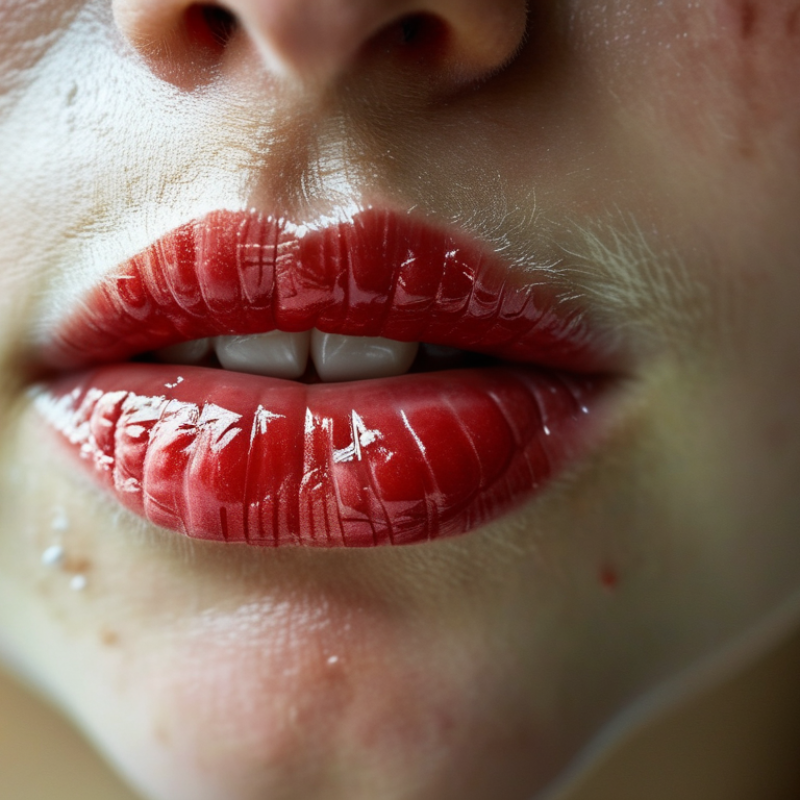
Lips become dry easily because their skin is built differently from facial skin.
The outer protective layer is thinner, so water escapes faster. Lips also contain fewer oil glands, which normally release sebum to soften and shield the skin. They have less melanin, too, making them more sensitive to sunlight and environmental stress.
Small habits can worsen this weakness.
Cold wind pulls moisture from the surface, while indoor heating creates dry air. Saliva seems soothing, but repeated licking evaporates quickly and leaves lips drier. Salty, spicy, or acidic foods may sting tiny cracks. Some toothpaste ingredients and flavored lip products can also irritate sensitive skin.
I once assumed frequent application always helped. It did not.
Fragrance and cooling sensations sometimes made the problem linger.
A practical repair routine should stay simple.
Apply a bland, fragrance-free ointment after eating, washing, and before sleep. Ingredients that form a protective barrier can reduce water loss. Drink normally, but do not expect extra water alone to cure chapped lips. Use sun protection outdoors, especially during windy or high-altitude activities. Avoid biting, peeling, and licking the surface.
It may feel satisfying briefly. The damage remains.
If cracks keep returning, bleed, spread to the mouth corners, or fail to improve after two weeks, a dermatologist should check for dermatitis, infection, allergy, or another cause.
Why Do Lips Become Dry So Easily? How to Fix It in 2026
Dry lips often begin with small, repeated damage. Cold wind removes surface moisture, while indoor heating makes the air unusually dry. Frequent lip licking feels soothing, but saliva evaporates quickly and leaves lips tighter than before. Dehydration, mouth breathing, and rough foods can add irritation.
It is easy to blame winter air. That explanation is incomplete. Fragrance, flavoring, and certain cosmetic ingredients may trigger contact irritation. Some people also develop eczema around the mouth, yeast-related inflammation, or cracks at the corners. Medicines and nutritional problems can contribute, but supplements should not be taken without professional advice. If peeling, bleeding, swelling, or soreness lasts more than two weeks, consult a dermatologist or dentist.
Tips: Apply a plain, fragrance-free ointment several times daily, especially after washing and before sleep. Avoid licking, biting, and pulling loose skin. Drink regularly, but remember that water alone may not repair an irritated barrier. Use a humidifier in dry rooms and cover your lips outdoors. Check toothpaste and lip products if symptoms started after a change. Stop anything that stings. A gentle routine is usually safer than constant exfoliation, which can worsen tiny cracks. Protect broken skin, and seek medical care when pain, spreading redness, or recurring corner cracks appear.
| Common Cause | Typical Signs | Why It Dries or Cracks Lips | Practical Fix | When to Get Medical Advice |
|---|---|---|---|---|
| Cold, dry, or windy weather | Tightness, flaking, rough texture, and small cracks | Low humidity and wind increase water loss from the thin skin on the lips. | Apply a fragrance-free, thick ointment or balm several times daily; cover the lips in cold or windy conditions. | Seek care if cracking is severe, repeatedly bleeding, or not improving after about two weeks of consistent care. |
| Lip licking, biting, or picking | A repeating cycle of wetness, tightness, peeling, and soreness | Saliva evaporates quickly and digestive enzymes in saliva can irritate the lip surface. | Use a protective ointment, sip water when the urge occurs, and avoid pulling off loose skin. | Ask a healthcare professional for help if the habit is difficult to control or causes persistent wounds. |
| Sun exposure | Dryness, redness, tenderness, scaling, or a sunburn-like reaction | Ultraviolet radiation can damage the lip surface, which has relatively little protective pigment. | Use a broad-spectrum lip sunscreen with SPF 30 or higher and reapply after eating, drinking, or prolonged outdoor activity. | Arrange an evaluation for a persistent rough, scaly, crusted, or nonhealing spot, especially on the lower lip. |
| Irritating or allergenic lip products | Burning, itching, redness, swelling, peeling, or a rash around the lips | Fragrance, flavoring agents, menthol, camphor, phenol, or other ingredients may irritate or trigger contact dermatitis. | Stop suspected products and switch to a simple, fragrance-free ointment; introduce products one at a time. | See a clinician if swelling is marked, symptoms persist, or the trigger is unclear; urgent care is needed for breathing difficulty. |
| Dehydration or fluid loss | Dry mouth, thirst, darker urine, fatigue, and dry lips | Reduced body water can contribute to dryness, although dry lips alone do not reliably diagnose dehydration. | Drink fluids regularly and replace losses caused by heat, exercise, vomiting, or diarrhea as appropriate. | Get prompt medical help for confusion, fainting, inability to keep fluids down, or very little urination. |
| Mouth breathing or nasal congestion | Dry lips and mouth, especially on waking; snoring or blocked nasal passages | Continuous airflow over the lips increases evaporation during sleep or exercise. | Treat the underlying congestion with professional guidance, use a humidifier if air is dry, and protect lips with ointment. | Discuss persistent congestion, loud snoring, breathing pauses, or daytime sleepiness with a healthcare professional. |
| Nutritional deficiency or restricted diet | Cracks at the mouth corners, a sore tongue, pale skin, fatigue, or recurrent mouth changes | Low iron or certain B vitamins can be associated with mouth and lip changes, but these signs have many possible causes. | Eat a varied diet and avoid taking high-dose supplements without testing or medical advice. | Request an evaluation if symptoms recur, involve the mouth corners, or occur with fatigue or dietary restrictions. |
| Eczema, cheilitis, or skin conditions | Persistent inflammation, scaling, itching, redness, or repeated flare-ups | A weakened skin barrier or chronic inflammation can make the lips more sensitive and prone to peeling. | Use bland protection, avoid known triggers, and follow a treatment plan recommended by a clinician. | Consult a dermatologist or primary-care professional when symptoms last more than two weeks or frequently return. |
| Medication-related dryness | Dry lips beginning after a new medicine or dose change, sometimes with dry mouth | Some medicines can reduce saliva, alter skin moisture, or increase sensitivity to sun and irritation. | Apply protective ointment and review the timing and symptoms with a pharmacist or prescriber. | Do not stop prescribed medicine on your own; seek advice if dryness is severe or accompanied by swelling or rash. |
| Infection or cold sore | Clusters of blisters, tingling, crusting, significant pain, pus, or spreading redness | Viral or bacterial inflammation can damage the lip surface and delay healing. | Keep the area clean, avoid picking, and avoid sharing items that touch the mouth; treatment may be needed. | Seek medical advice for painful blisters, fever, spreading redness, recurrent episodes, or a weakened immune system. |
Dry lips are easier to fix when the trigger is identified, not guessed. A useful first step is a three-day lip diary. Record foods, drinks, weather, products, mouth breathing, and lip-licking. Notice timing. Tight, flaky lips after toothpaste may suggest irritation from flavoring agents or detergents. Cracks at the corners can point toward saliva exposure, yeast overgrowth, or nutritional problems.
Weather often adds pressure. Cold wind removes surface moisture, while indoor heating lowers humidity. However, dehydration alone is not always responsible. Frequent licking creates brief relief, then increases water loss as saliva evaporates. I have seen people drink more water while continuing this habit, with little improvement. That result can feel confusing, but it changes the investigation.
Pause newly introduced lip products for one week. Use a plain, fragrance-free ointment and apply it after eating, brushing, and bathing. Avoid peeling flakes. Track whether redness, burning, or swelling changes. If symptoms persist beyond two weeks, spread beyond the lip border, or include bleeding and repeated corner cracks, consult a qualified clinician. Persistent dryness may involve eczema, allergic contact dermatitis, medication effects, or infection. A clinician can examine the pattern and decide whether testing is needed. Guessing can delay the right care.
Dry lips are not always caused by cold weather. Wind, indoor heating, frequent licking, dehydration, and irritating ingredients can weaken the lip barrier.
The U.S. Environmental Protection Agency recommends keeping indoor humidity between 30% and 50%, which may reduce moisture loss during dry seasons. I still forget this when the heater runs overnight.
Begin with a gentle rinse using lukewarm water. Pat your lips dry, then apply a fragrance-free, occlusive ointment within one minute. Repeat after eating, brushing your teeth, and before sleep.
Avoid menthol, camphor, eucalyptus, fragrance, and strong flavoring agents. The American Academy of Dermatology Association identifies these ingredients as possible irritants for chapped lips. Do not scrub peeling skin. It can create tiny breaks and prolong irritation.
During daylight, use a broad-spectrum lip product with SPF 30 or higher, as recommended by dermatology guidance. Reapply every two hours outdoors, especially after drinking or sweating.
At night, add a thicker protective layer and keep water nearby, but do not rely on water alone. If cracking continues for more than two weeks, seek professional evaluation.
A reaction to toothpaste, cosmetics, or saliva may be involved. My routine is not perfect; forgetting one reapplication can make the next morning noticeably rougher.
Why Do Lips Become Dry So Easily How to Fix It in 2026?
Persistent dry lips deserve more attention than a quick layer of balm. Most cases result from cold air, dehydration, lip licking, irritating cosmetics, or mouth breathing. However, dryness lasting beyond two to three weeks may signal allergic contact cheilitis, eczema, infection, medication effects, or actinic cheilitis caused by long-term ultraviolet exposure. A small mistake is assuming every cracked lip is harmless.
Seek medical advice if your lips repeatedly bleed, develop yellow crusts, swell, burn, or form an ulcer, lump, or rough patch. The American Academy of Dermatology recommends assessment when self-care fails to improve severe dryness. Cracks at the mouth corners can also suggest angular cheilitis, sometimes linked with yeast, bacteria, iron deficiency, or vitamin deficiencies. Do not diagnose these causes alone. A clinician may review medications, examine your skin, and order blood tests when appropriate.
Persistent rough or scaly areas need particular care. The British Association of Dermatologists identifies actinic cheilitis as a potentially precancerous condition. IARC’s GLOBOCAN 2022 report recorded about 389,800 new lip and oral cavity cancer cases worldwide, though ordinary dryness is not cancer. That distinction matters. Covering symptoms repeatedly can delay diagnosis. Use fragrance-free protection, avoid licking, and arrange a professional examination when changes remain.
Why Lips Become Dry Easily
Lips have a thinner protective outer layer and fewer oil glands than most skin, so cold air, wind, low humidity, sun exposure, irritants, and dehydration can contribute to dryness. The chart shows the National Academies’ adequate intake for total daily water from all beverages and foods for healthy adults; it is not a direct treatment for persistent dry lips.
If dryness lasts more than two weeks, repeatedly cracks or bleeds, becomes painful, develops sores or swelling, or does not improve after avoiding irritants and using a bland lip moisturizer, seek medical advice.
Data source: National Academies of Sciences, Engineering, and Medicine, Dietary Reference Intakes for Water, Potassium, Sodium, Chloride, and Sulfate. Values represent total water from all beverages and foods.
Cold wind, indoor heating, dehydration, and mouth breathing can weaken the lip barrier. Frequent licking often makes tightness worse. Small damage accumulates.
Yes. Saliva evaporates quickly and removes surface moisture. The lips may feel briefly soothed, then become tighter and more irritated. I sometimes forget this.
Use a plain, fragrance-free ointment several times daily. Apply it after washing, eating, brushing your teeth, and before sleep. Keep the layer visible.
Menthol, camphor, eucalyptus, fragrance, and strong flavorings may cause stinging. Stop products that burn or worsen peeling. “Cooling” is not always soothing.
No. Scrubbing can create tiny breaks and delay healing. Do not bite, pull, or repeatedly exfoliate loose skin. Let it detach naturally.
Use broad-spectrum lip protection with SPF 30 or higher. Reapply every two hours outdoors, especially after drinking or sweating. Wind still matters.
Yes. Keeping indoor humidity around 30% to 50% may reduce moisture loss. A humidifier can help when heating runs overnight. I often forget it.
Seek professional advice when dryness lasts beyond two or three weeks. Bleeding, yellow crusts, swelling, ulcers, lumps, or spreading redness need assessment.
They may involve irritation, eczema, infection, saliva, or nutritional problems. Do not diagnose the cause alone. A clinician may examine the area or request tests.
Why do lips become dry so easily? Unlike most skin, lips have a thinner protective barrier, fewer oil glands, and constant exposure to air, sunlight, wind, and temperature changes. Dehydration, frequent licking, mouth breathing, irritating lip products, salty or spicy foods, and certain medications can make dryness worse, leading to cracking, peeling, soreness, or flaking. Identifying the main trigger is the first step: consider recent weather changes, new products, daily habits, hydration, and any related symptoms.
Restoring lip moisture requires a simple, consistent routine. Gently remove loose flakes without scrubbing, apply a fragrance-free moisturizing balm regularly, drink enough water, and protect the lips from sun and harsh weather. Avoid licking, biting, peeling, and products that sting. At night, use a thicker protective layer to reduce moisture loss while sleeping. If dryness continues despite these steps, becomes painful, bleeds, develops persistent sores, or is accompanied by swelling or other symptoms, seek medical advice to check for allergies, skin conditions, infection, or underlying health concerns.

AJD Skincare